

What Are the Methods of Cotton Seed Conveyance?
Efficient cotton seed conveyance is a critical aspect of modern agricultural and industrial operations. The proper selection of a conveying system can significantly impact productivity, material handling costs, and the overall quality of the cotton seed. As a leading provider in the field, Shandong HeadPowder Engineering Co., Ltd. specializes in designing and manufacturing advanced solutions tailored to the specific needs of cotton seed processing facilities. With decades of experience, the company has developed a range of conveyance methods that address the unique challenges associated with cotton seeds, ensuring reliable and efficient transport from one stage of processing to the next.
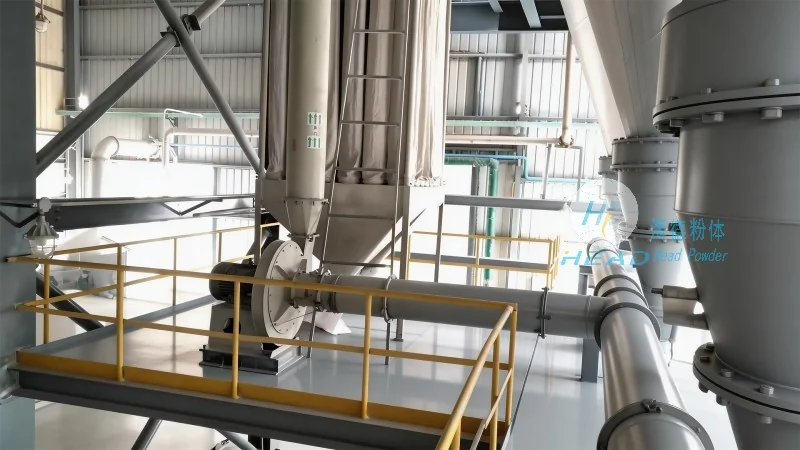
1. Gravity Conveyors
Gravity conveyors are a simple yet effective method for transporting cotton seeds over short distances. These systems utilize the natural force of gravity to move materials from a higher elevation to a lower one. The primary components of a gravity conveyor include a sloped channel or belt, which allows the seeds to slide down under the influence of gravity. This method is particularly suitable for applications where the vertical drop is sufficient to provide the necessary momentum for movement. The simplicity of gravity conveyors makes them an economical choice for small-scale operations or for transporting seeds over short horizontal distances. However, their effectiveness is limited by the need for a suitable slope and the risk of material buildup or blockages if the seeds are too light or prone to sticking together.
2. Belt Conveyors
Belt conveyors are one of the most common and versatile methods used in cotton seed handling. These systems consist of a continuous loop of material (typically rubber or synthetic) that is stretched over two or more pulleys. The cotton seeds are placed on the belt, and as the belt moves, the seeds are carried along the path of the conveyor. Belt conveyors can be used for both horizontal and inclined transport, making them suitable for a wide range of applications. They are particularly effective for transporting large volumes of cotton seeds over longer distances, as they can maintain a consistent speed and throughput. The design of belt conveyors allows for easy integration with other processing equipment, such as cleaning or sorting machines. Additionally, the belt material can be selected to prevent seed damage or contamination, ensuring that the quality of the cotton seeds is maintained throughout the conveying process.
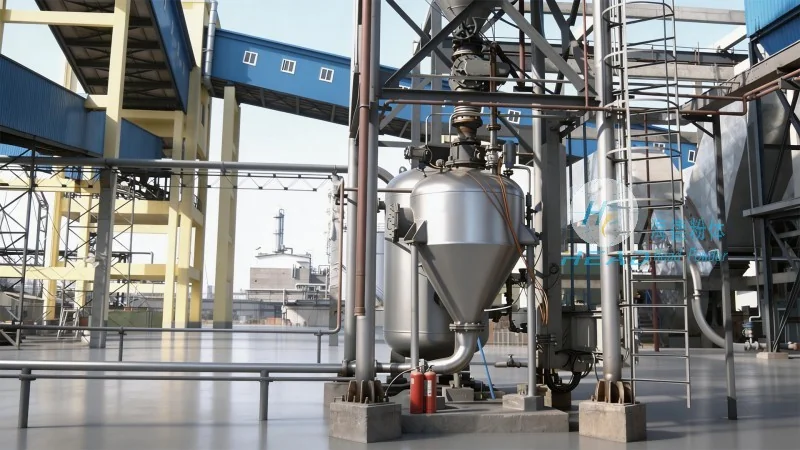
3. Screw Conveyors
Screw conveyors, also known as auger conveyors, are another popular method for cotton seed transport. These systems use a rotating screw or auger to move materials through a closed tube. The screw is typically made of metal or plastic and is designed to push the cotton seeds forward as it rotates. Screw conveyors are highly effective for vertical or inclined transport, as they can lift materials from a lower to a higher level with minimal effort. They are particularly useful in applications where the cotton seeds need to be elevated to a higher point, such as for loading into storage silos or processing equipment. The compact design of screw conveyors makes them suitable for installations with limited space, and they can handle a wide range of seed sizes and moisture contents. However, screw conveyors may not be as efficient for very light or sticky seeds, as the screw can cause excessive friction or damage to the material.
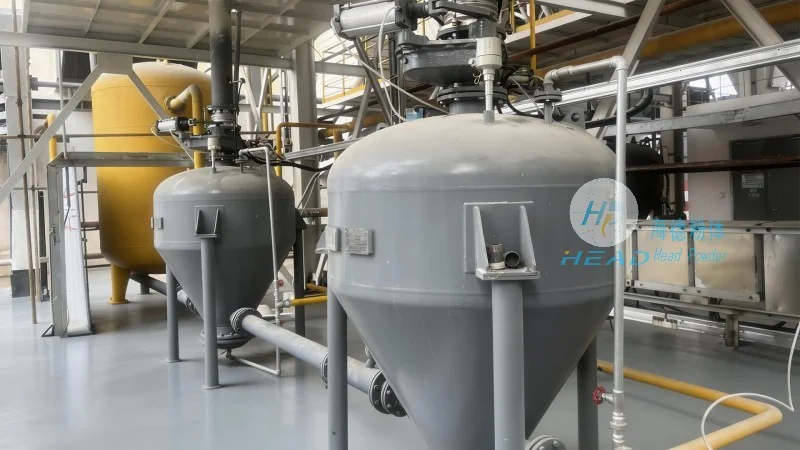
4. Pneumatic Conveying Systems
Pneumatic conveying systems use air or other gases to transport cotton seeds through a pipeline. These systems are particularly effective for handling fine or lightweight materials, as the air flow can provide the necessary force to move the seeds along the pipeline. Pneumatic conveyors can be either positive or negative pressure systems, depending on the application. Positive pressure systems blow air into the pipeline, pushing the seeds forward, while negative pressure systems create a vacuum that pulls the seeds into the pipeline. Pneumatic conveying is often used for long-distance transport or for applications where the seeds need to be transported through obstacles or changes in elevation. The main advantage of pneumatic systems is their ability to handle materials that are difficult to convey with other methods, such as very fine or sticky cotton seeds. However, they require more energy to operate and may be more complex to maintain compared to other conveyance methods.
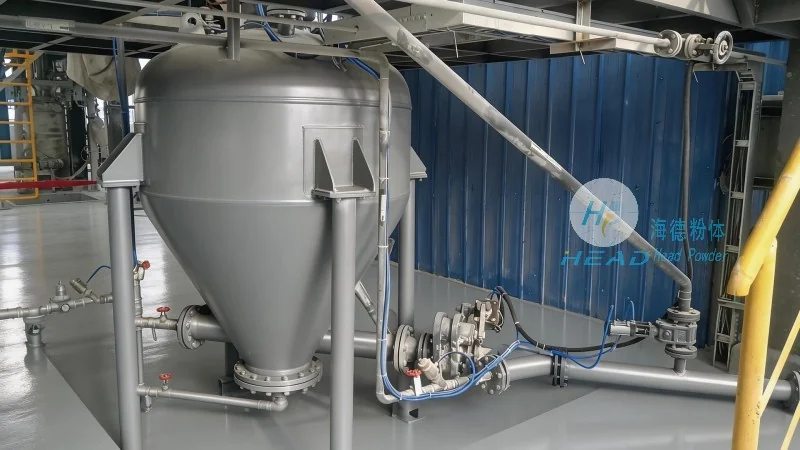
5. HeadPowder's Advanced Conveyance Solutions
Shandong HeadPowder Engineering Co., Ltd. offers a comprehensive range of advanced conveyance solutions tailored to the specific needs of cotton seed processing. The company's expertise in material handling technology allows them to design and manufacture conveyors that optimize the transport of cotton seeds while minimizing downtime and maintenance costs. HeadPowder's products are engineered to handle the unique challenges of cotton seeds, such as their lightweight nature and tendency to clump. The company's team of engineers works closely with clients to understand their specific requirements and develop customized solutions that meet their operational needs. Whether it's a gravity conveyor for short-distance transport or a pneumatic system for long-distance handling, HeadPowder provides reliable and efficient equipment that enhances the overall productivity of cotton seed processing facilities.
Conclusion
In conclusion, the selection of an appropriate cotton seed conveyance method is essential for ensuring efficient and cost-effective operation in cotton seed processing facilities. Each method, including gravity, belt, screw, and pneumatic conveyors, has its own advantages and limitations, and the choice depends on factors such as the distance to be covered, the volume of material, and the specific characteristics of the cotton seeds. By understanding these options and leveraging the expertise of companies like Shandong HeadPowder Engineering Co., Ltd., processors can optimize their material handling processes and improve overall productivity. With a focus on quality and innovation, HeadPowder continues to provide advanced conveyance solutions that meet the evolving needs of the cotton seed industry.