

What Are the Methods for Clay Ash Conveying?
Clay ash, a byproduct commonly generated in industrial processes, necessitates efficient and reliable conveying systems to manage its transportation. The methods employed for clay ash conveyance are critical to ensuring operational efficiency, safety, and environmental compliance. Shandong HeadPowder Engineering Co., Ltd., a leading provider in the field, specializes in designing and implementing advanced conveying solutions tailored to the unique needs of industrial clients. This article explores the primary methods for clay ash conveyance, focusing on the technical aspects and practical applications of each approach, with an emphasis on the expertise and solutions offered by HeadPowder.
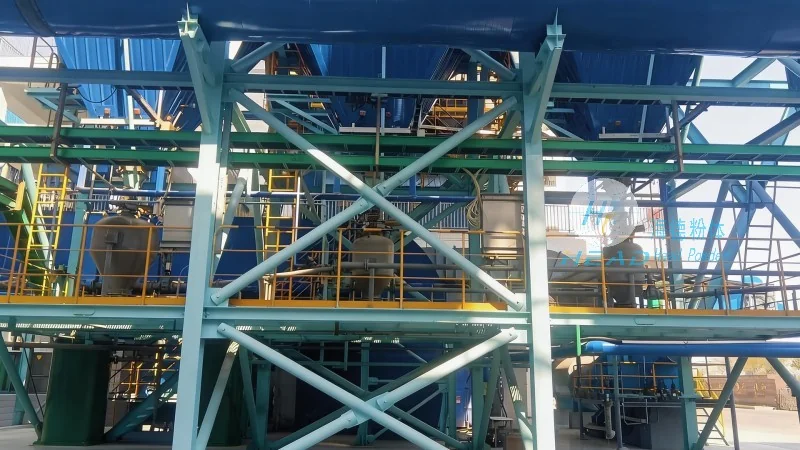
1. Pneumatic Conveying Systems
Pneumatic conveying is a widely used method for transporting clay ash due to its ability to handle fine particles and provide a closed system that minimizes dust emissions. This technique utilizes compressed air or gas to move the material through a pipeline. There are two main types of pneumatic conveying systems: dilute-phase and dense-phase. Dilute-phase systems are suitable for transporting materials over short to medium distances and at relatively high velocities, while dense-phase systems are preferred for longer distances or when handling more viscous or abrasive materials. The choice between these systems depends on factors such as the particle size distribution, moisture content, and the required conveying distance. Pneumatic conveying offers advantages like reduced labor costs, minimal maintenance, and the ability to integrate with existing infrastructure. However, it may require higher energy consumption compared to other methods, especially for long-distance transport.
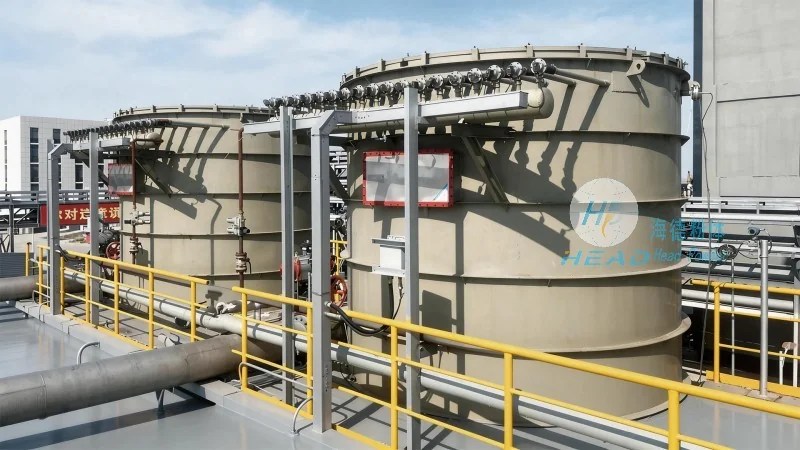
2. Hydraulic Conveying Systems
Hydraulic conveying, also known as slurry transport, involves mixing clay ash with water to form a slurry, which is then pumped through pipelines. This method is particularly effective for transporting large volumes of material over long distances, as it can handle high concentrations of solids. The key components of a hydraulic conveying system include a slurry pump, a pipeline network, and a dewatering or processing facility at the receiving end. The slurry pump provides the necessary pressure to move the mixture, while the pipeline design must account for the potential for sedimentation and corrosion. Hydraulic conveying is often used in applications where the clay ash is mixed with other waste streams or when the material is too abrasive for pneumatic systems. It offers the benefit of being able to transport materials that are difficult to handle by other means, but it requires careful management of water usage and the disposal of the resulting slurry.
3. Mechanical Conveying Systems
Mechanical conveying systems rely on mechanical components such as belts, buckets, or screw conveyors to transport clay ash. These systems are typically used for short to medium distances and are suitable for handling bulk materials with a relatively uniform particle size. Belt conveyors are common in many industrial settings, providing a continuous and efficient way to move material from one location to another. Bucket elevators are used when vertical transport is required, while screw conveyors are ideal for horizontal or slight incline transport. Mechanical conveying systems are generally low-cost and easy to install, making them a popular choice for smaller operations or when the material is not highly abrasive. However, they may have limitations in terms of the maximum particle size and the distance they can effectively convey, and they require regular maintenance to ensure smooth operation.
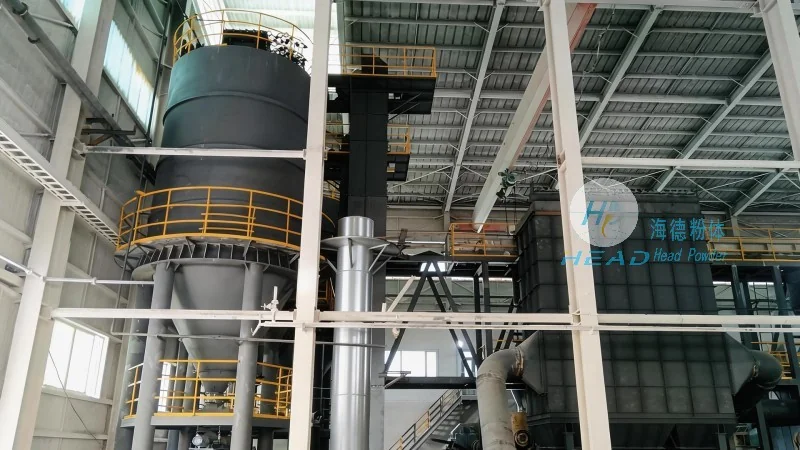
4. Combination Conveying Systems
In some cases, a combination of the above methods may be employed to achieve optimal conveying performance. For example, a pneumatic system might be used to transport clay ash from a production line to a central collection point, followed by a hydraulic system to move the material to a disposal site. This hybrid approach allows for the benefits of each method to be utilized while mitigating their respective drawbacks. The design of such systems requires careful consideration of the entire process flow, including the material characteristics, the distance to be covered, and the environmental regulations that must be adhered to. Combination systems are often more complex and expensive to install and maintain, but they can provide the most efficient and cost-effective solution for large-scale operations.