

What Are the Methods of Limestone Conveying?
When it comes to transporting limestone, various methods are employed depending on the specific requirements of the operation. Limestone, a crucial raw material in many industries, needs to be moved efficiently from its source to processing facilities. The choice of conveying method significantly impacts operational efficiency, cost, and safety. This article explores the primary methods of limestone conveying, highlighting the technologies and considerations involved.
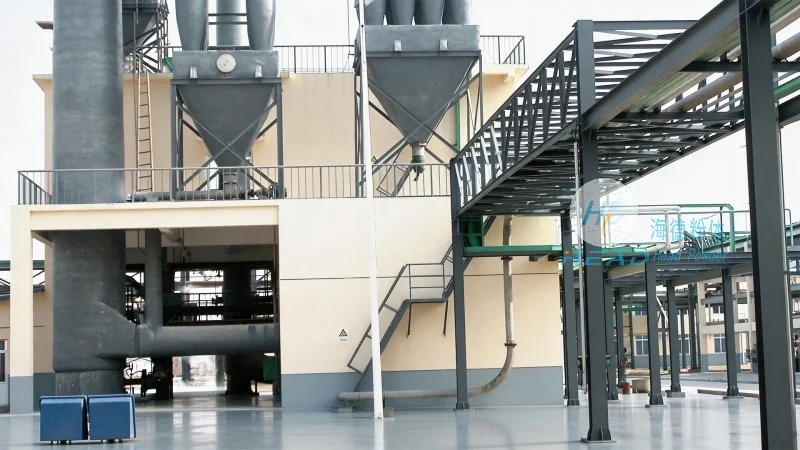
About HeadPowder Engineering
HeadPowder, a leading provider of material handling solutions, specializes in designing and manufacturing equipment for the efficient transport of bulk materials like limestone. With a strong presence in Shandong, China, the company leverages decades of industry experience to deliver customized conveying systems tailored to client needs. The company’s commitment to quality and innovation ensures that its solutions meet the highest standards of performance and reliability.
1. Belt Conveyor Systems for Limestone Transport
Belt conveyors are among the most common and versatile methods for limestone conveying. These systems utilize a continuous loop of belt to transport material from one point to another. For limestone, which is often in bulk form, belt conveyors offer several advantages. They can handle large volumes of material with minimal labor, and their design allows for long-distance transport with relatively low energy consumption. HeadPowder Engineering offers a range of belt conveyor solutions, including fixed and mobile models, to suit different operational environments. The company’s belt conveyors are equipped with durable components, such as heavy-duty rollers and reinforced belts, ensuring reliable performance even under heavy loads. Additionally, the company provides customization options, allowing clients to adjust the conveyor’s speed, width, and inclination to match their specific limestone handling requirements.
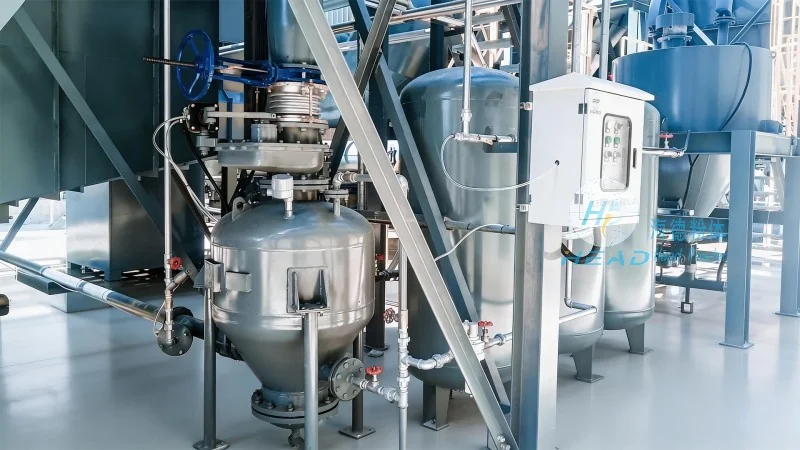
2. Screw Conveyors for Limestone Handling
Screw conveyors, also known as auger conveyors, are another effective method for limestone transport, particularly in applications where the material needs to be moved vertically or at a slight angle. These systems consist of a rotating screw (auger) enclosed in a trough, which moves material along the length of the conveyor. Screw conveyors are ideal for handling limestone that is relatively dry and free-flowing. They are compact and can be installed in tight spaces, making them suitable for both new and retrofit installations. HeadPowder Engineering’s screw conveyors are designed with corrosion-resistant materials, such as stainless steel or coated steel, to withstand the chemical properties of limestone and prevent wear. The company’s screw conveyors also feature adjustable speed controls, enabling precise control over the material flow rate. This ensures that the limestone is conveyed at the optimal speed, minimizing the risk of material degradation or blockages.
3. Bucket Elevators for Vertical Limestone Transport
For vertical transport of limestone, bucket elevators are a popular choice. These systems use a series of buckets attached to a belt or chain that moves vertically, lifting material from a lower to a higher level. Bucket elevators are highly efficient for transporting limestone in large quantities and are commonly used in industries such as cement and mining. HeadPowder Engineering offers robust bucket elevator solutions designed to handle the abrasive nature of limestone. The company’s elevators feature heavy-duty buckets and durable chains or belts, ensuring long service life and minimal maintenance. The design of the bucket elevator allows for high capacity and low energy consumption, making it an economical choice for vertical limestone transport. Additionally, the company provides safety features, such as emergency stop mechanisms and overload protection, to ensure safe operation in industrial settings.
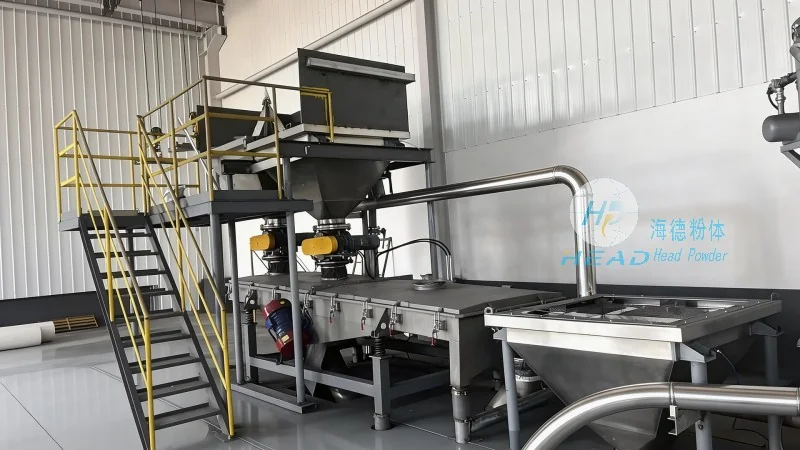
4. Pneumatic Conveying Systems for Limestone
Pneumatic conveying systems use air or gas to transport limestone in a fluidized state. These systems are suitable for applications where the limestone needs to be moved over long distances or through complex layouts, such as in processing plants. Pneumatic conveyors can handle both dry and slightly moist limestone, and they are effective in preventing dust and contamination. HeadPowder Engineering’s pneumatic conveying systems are designed with high-pressure air pumps and flexible hoses or pipes to ensure efficient material transport. The company’s systems are equipped with filtration and cleaning mechanisms to maintain air quality and prevent material buildup. Pneumatic conveying is particularly useful for transporting limestone in environments where dust control is critical, such as in food processing or pharmaceutical industries. However, it is important to note that pneumatic systems require more energy than mechanical systems and may have higher maintenance costs due to the wear on air components.
Conclusion: Choosing the Right Limestone Conveying Method
The choice of limestone conveying method depends on several factors, including the volume of material, the distance to be covered, the vertical or horizontal movement required, and the specific characteristics of the limestone itself. HeadPowder Engineering provides comprehensive solutions that address these factors, ensuring that clients select the most appropriate conveying system for their operations. By leveraging its expertise in material handling and its commitment to quality, HeadPowder Engineering helps businesses optimize their limestone transport processes, reducing costs and improving overall efficiency. Whether using belt conveyors, screw conveyors, bucket elevators, or pneumatic systems, the company’s solutions are designed to meet the unique needs of each client, providing reliable and effective limestone conveying solutions.