

What Are the Methods of Activated Carbon Conveyance?
Activated carbon is a critical material in various industrial processes, and its efficient conveyance is essential for maintaining production efficiency and safety. The methods used to transport activated carbon vary based on factors such as the material's properties, the scale of operation, and the specific application requirements. Understanding these conveyance methods is crucial for optimizing industrial workflows and ensuring consistent performance.
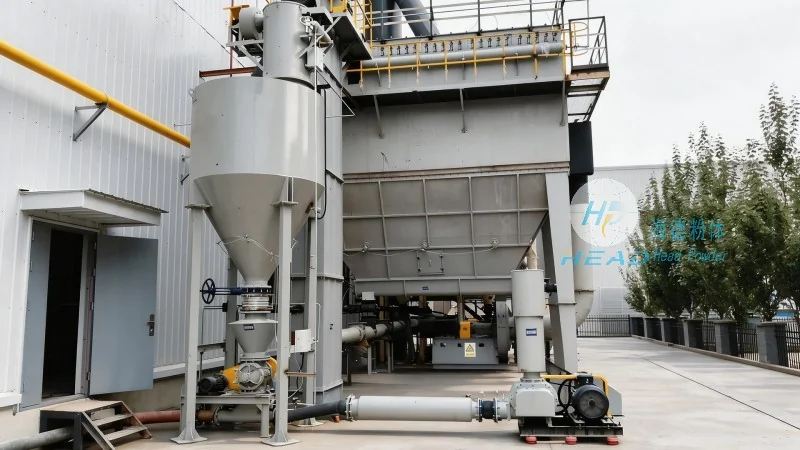
Overview of Activated Carbon Conveyance
Before delving into specific methods, it's important to understand the general principles and considerations for activated carbon transport. Activated carbon is often in a loose, granular form, which can be lightweight and dusty, making it susceptible to airborne dispersion if not handled properly. Therefore, conveyance systems must be designed to minimize dust generation, prevent material loss, and maintain the integrity of the carbon particles. The choice of conveyance method also impacts energy consumption, equipment maintenance, and overall operational costs.
Common Methods of Activated Carbon Conveyance
Several methods are commonly employed for transporting activated carbon, each with its own advantages and limitations. The primary methods include pneumatic conveying, mechanical conveying, and gravity-based systems. Each method is suitable for different scenarios, and the selection depends on the specific needs of the industrial application.
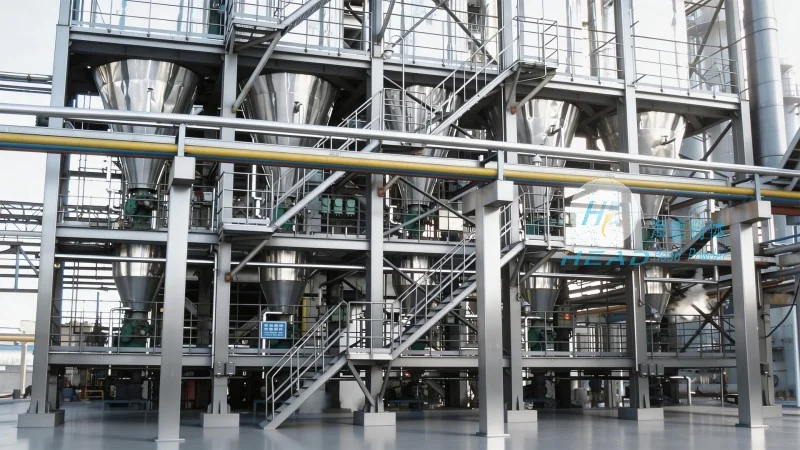
Pneumatic Conveying Systems
Pneumatic conveying is a widely used method for transporting activated carbon, especially in applications where dust control and flexibility are priorities. This system uses air or other gases to move the carbon particles through a pipeline. There are two main types of pneumatic conveying: pressure and vacuum. Pressure systems push the material using compressed air, while vacuum systems draw the material using a vacuum pump. Pneumatic conveying is effective for short to medium distances and can handle both dry and wet activated carbon, though wet systems require additional drying steps to prevent clogging.
Mechanical Conveying Systems
Mechanical conveyors are another common option for activated carbon transport. These systems use mechanical components such as belts, screws, or buckets to move the material. Belt conveyors are ideal for transporting large quantities of activated carbon over relatively long distances. Screw conveyors are suitable for vertical or inclined transport and can handle a wide range of particle sizes. Bucket elevators are used for vertical transport and are particularly effective in applications where the carbon needs to be lifted to a higher level. Mechanical conveyors are generally more cost-effective for long-distance transport and can handle larger volumes compared to pneumatic systems.
Gravity-Based Conveyance
Gravity-based systems rely on the natural force of gravity to move activated carbon. These systems typically involve chutes or inclined planes that allow the material to flow from a higher to a lower level. This method is simple and low-cost, making it suitable for applications where the vertical drop is sufficient and the carbon is not too fine. However, gravity conveyance is limited by the need for a suitable slope and may not be effective for horizontal transport or for materials with high moisture content, as this can cause clogging.
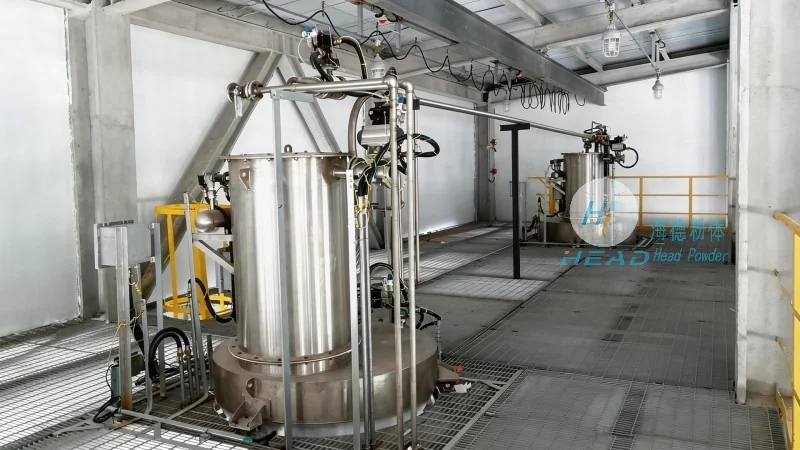
Factors Influencing Conveyance Method Selection
The choice of activated carbon conveyance method is influenced by several key factors. The first is the material's properties, including particle size, density, and moisture content. Larger, denser particles may be better suited for mechanical conveyors, while finer particles are more suitable for pneumatic systems. The second factor is the distance and layout of the transport route. Short distances may allow for gravity or simple mechanical systems, while longer distances may require pneumatic or more complex mechanical setups. The third factor is the need for dust control and environmental compliance. Pneumatic systems often include dust collection and filtration systems to meet environmental regulations, making them a preferred choice in industries with strict air quality standards.
Conclusion
Choosing the right activated carbon conveyance method is essential for optimizing industrial processes and ensuring the efficient handling of this critical material. By considering factors such as material properties, transport distance, and environmental requirements, industries can select the most appropriate system. Companies like Shandong HeadPowder Engineering Co., Ltd. specialize in providing tailored conveyance solutions that meet the specific needs of their clients, ensuring reliable and efficient activated carbon transport. With the right system in place, industries can enhance productivity, reduce costs, and maintain compliance with environmental regulations.