

White Carbon Black Powder Conveying Methods
White carbon black powder, a critical additive in various industrial applications, requires efficient and reliable conveying systems to ensure smooth material handling. The choice of conveying method depends on factors such as powder properties, production scale, and operational environment. This article explores the primary methods used for transporting white carbon black powder, highlighting their advantages, limitations, and practical applications.
Key Considerations for Selecting a Conveying System
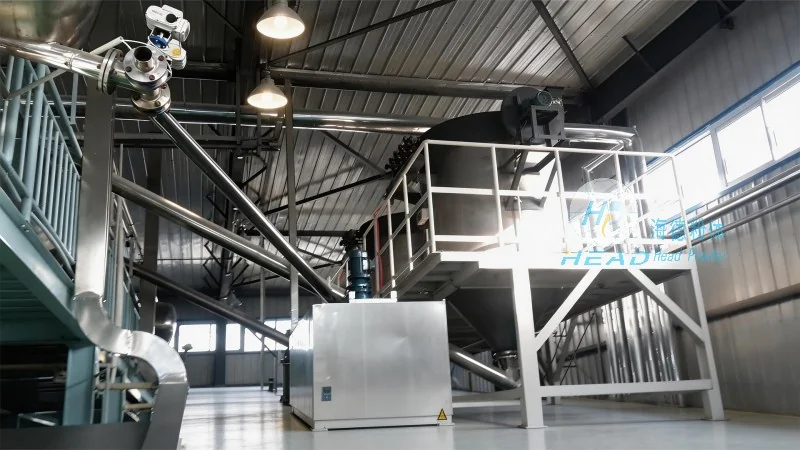
Before delving into specific methods, it is essential to consider several key factors that influence the selection of a suitable conveying system for white carbon black powder. These include the particle size and flowability of the powder, the required conveying capacity, the distance over which the material needs to be transported, and the need for dust control or environmental compliance. Additionally, the cost of equipment, maintenance requirements, and the overall operational efficiency are critical considerations for industrial users. Companies like Shandong HeadPowder Engineering Co., Ltd., a leading manufacturer in the field, often provide tailored solutions based on these factors to meet the specific needs of their clients.
1. Air-Pneumatic Conveying (Pneumatic Conveying)
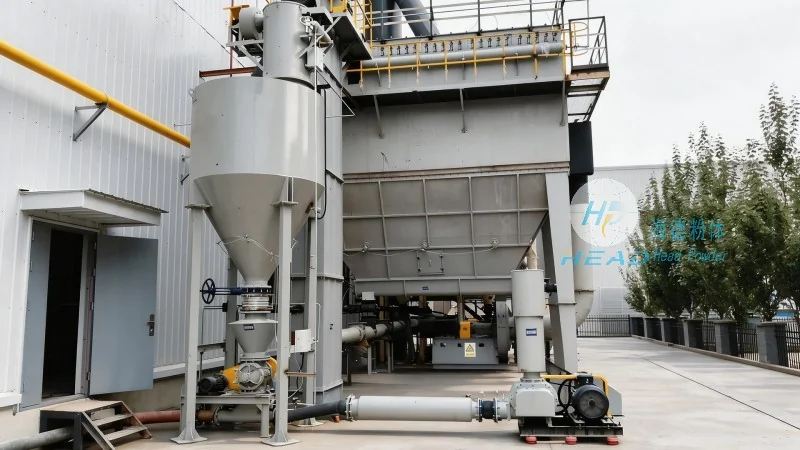
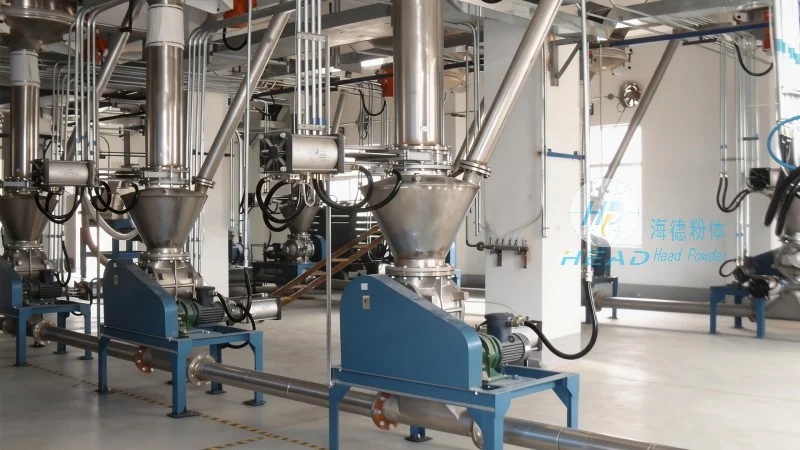
Air-pneumatic conveying, also known as pneumatic conveying, is one of the most common methods for transporting white carbon black powder. This system uses compressed air to move the powder through a pipeline. There are two main types: dilute-phase and dense-phase conveying. Dilute-phase systems are suitable for long-distance transport and high-capacity applications, where the powder is suspended in a stream of air. Dense-phase systems, on the other hand, use higher air pressure to push the powder in a more concentrated form, which is ideal for short-distance transport and when the powder is prone to bridging or clogging. The choice between these two depends on the specific characteristics of the white carbon black powder and the operational requirements. For instance, headpowder, a brand under Shandong HeadPowder Engineering Co., Ltd., offers specialized pneumatic conveying equipment designed to handle the unique properties of white carbon black, ensuring efficient and reliable transport with minimal product degradation.
2. Screw Conveyors
Screw conveyors, also known as auger conveyors, are another widely used method for transporting white carbon black powder. These systems consist of a rotating screw (auger) inside a cylindrical trough, which moves the powder along the length of the conveyor. Screw conveyors are particularly effective for horizontal or slightly inclined transport and are suitable for moderate to high capacities. They are relatively simple in design, easy to install, and require minimal maintenance. However, they may not be ideal for very fine or cohesive powders, as these can cause the screw to bind or lead to uneven flow. The design of the screw and trough, including the pitch and diameter, is crucial for optimizing the conveying efficiency of white carbon black powder. Shandong HeadPowder Engineering Co., Ltd. provides screw conveyor solutions that are engineered to handle the flow characteristics of white carbon black, ensuring consistent and reliable material transport.
3. Vibrating Conveyors
Vibrating conveyors use mechanical vibrations to move white carbon black powder along a trough. The conveyor consists of a flexible or rigid trough that is vibrated at a specific frequency and amplitude. This vibration helps to break up any agglomerates in the powder and promotes a consistent flow. Vibrating conveyors are particularly useful for handling sticky or cohesive powders, as the vibration prevents the material from sticking to the trough walls. They are also suitable for inclined or vertical transport, making them versatile for various applications. However, they may require more maintenance than other systems due to the moving parts and the need to ensure proper vibration levels. For white carbon black powder, vibrating conveyors are often used in processes where the powder needs to be transported over moderate distances or when the material has a tendency to clog or bridge. headpowder, from Shandong HeadPowder Engineering Co., Ltd., offers vibrating conveyor systems that are designed to handle the unique properties of white carbon black, providing efficient and reliable transport with minimal downtime.
4. Belt Conveyors
Belt conveyors are a classic method for transporting bulk materials, including white carbon black powder. These systems use a continuous belt that moves over rollers or pulleys to transport the powder. Belt conveyors are suitable for long-distance transport and high-volume applications. They are particularly effective for horizontal transport and can handle a wide range of powder types, including those with varying particle sizes and flowabilities. However, they may not be ideal for very fine powders, as the belt can cause dust issues or material loss. The design of the belt, including its material and thickness, is crucial for preventing wear and tear from the white carbon black powder. Shandong HeadPowder Engineering Co., Ltd. provides belt conveyor solutions that are engineered to withstand the abrasive nature of white carbon black, ensuring long service life and reliable operation.
5. Hydraulic Conveying
Hydraulic conveying is a less common but effective method for transporting white carbon black powder, especially in applications where other systems are not feasible. This system uses a liquid medium, typically water or a specialized fluid, to move the powder through a pipeline. The liquid creates a slurry that is pumped through the system, and the powder is separated from the liquid at the end of the line. Hydraulic conveying is particularly useful for handling very fine or abrasive powders, as the liquid helps to reduce friction and prevent clogging. However, it requires additional equipment for slurry preparation and separation, which increases the overall cost and complexity of the system. For white carbon black powder, hydraulic conveying is often used in specialized applications where the powder needs to be transported over long distances or when the material has high abrasiveness. headpowder, under Shandong HeadPowder Engineering Co., Ltd., offers hydraulic conveying solutions that are tailored to the specific requirements of white carbon black, ensuring efficient and reliable transport with minimal environmental impact.