

What are the methods for transporting chromium(III) oxide?
Chromium(III) oxide, also known as chromium sesquioxide, is a chemical compound with the formula Cr₂O₃. It is widely used in various industrial applications, including pigments, catalysts, and as a component in electronic materials. The efficient and safe transportation of this compound is crucial for industrial operations, as it requires proper handling to prevent contamination and ensure product integrity. This article will explore the common methods used for transporting chromium(III) oxide, highlighting the key considerations and best practices for each approach.

Overview of Chromium(III) Oxide
Before delving into the transportation methods, it is essential to understand the properties of chromium(III) oxide. This compound is a greenish-black solid with a density of approximately 5.21 g/cm³. It is insoluble in water but can be dissolved in strong acids. Due to its chemical stability and non-toxic nature (in its pure form), it is widely used in the manufacturing of green pigments for paints and coatings. The material is also utilized in the production of catalysts for chemical reactions and as a component in ceramic and glass manufacturing. Proper storage and transportation are vital to maintain its quality and prevent any adverse effects on the end products.
Common Transportation Methods for Chromium(III) Oxide
There are several methods employed for transporting chromium(III) oxide, each with its own advantages and considerations. The choice of method depends on factors such as the quantity to be transported, the distance, and the specific requirements of the receiving facility. The primary methods include bulk shipping via trucks, rail, or waterways, as well as containerized transport for smaller quantities.
Bulk Truck Transportation
Bulk truck transportation is a common method for moving chromium(III) oxide, especially for shorter distances and smaller to medium volumes. The material is typically loaded into specialized bulk trucks equipped with sealed containers to prevent dust and contamination. These trucks are designed to maintain the integrity of the cargo, ensuring that the chromium(III) oxide remains in its original state until delivery. The use of bulk trucks allows for flexibility in scheduling and can be arranged to meet the specific needs of the customer. The transportation process involves careful loading and unloading procedures to minimize the risk of spills or exposure to the environment. Companies like Shandong HeadPowder Engineering Co., Ltd. often utilize this method for distributing their chromium(III) oxide products to various industrial clients across China.

Railway Transportation
For longer distances and larger quantities, railway transportation is a cost-effective and efficient option. The material is transported in specialized railcars that are equipped with secure containment systems. These railcars are designed to handle bulk materials and can carry significant volumes of chromium(III) oxide. The use of rail reduces the carbon footprint compared to road transport and is particularly suitable for intercity or interregional distribution. The process involves loading the material into the railcars at the origin point and then transporting it to the destination, where it is unloaded and delivered to the customer. This method is often preferred for bulk shipments, as it can handle larger volumes with fewer logistical challenges. Shandong HeadPowder Engineering Co., Ltd. may utilize railway transport for supplying chromium(III) oxide to clients in different regions of China, ensuring timely delivery while maintaining product quality.
Waterway Transportation
Waterway transportation, including shipping via ships or barges, is another viable option for transporting chromium(III) oxide, especially for international or long-distance domestic shipments. The material is loaded into bulk carriers or barges that are equipped with sealed containers to prevent leakage and contamination. This method is generally more cost-effective for large volumes and long distances, as it can carry significantly more cargo than trucks or railcars. However, it may involve longer transit times and requires careful planning to ensure timely delivery. The use of waterway transport is particularly relevant for companies that need to supply chromium(III) oxide to clients in coastal regions or for international trade. Shandong HeadPowder Engineering Co., Ltd. may utilize this method for exporting chromium(III) oxide to global markets, leveraging the efficiency of water transport to reach international clients while maintaining the quality of the product.
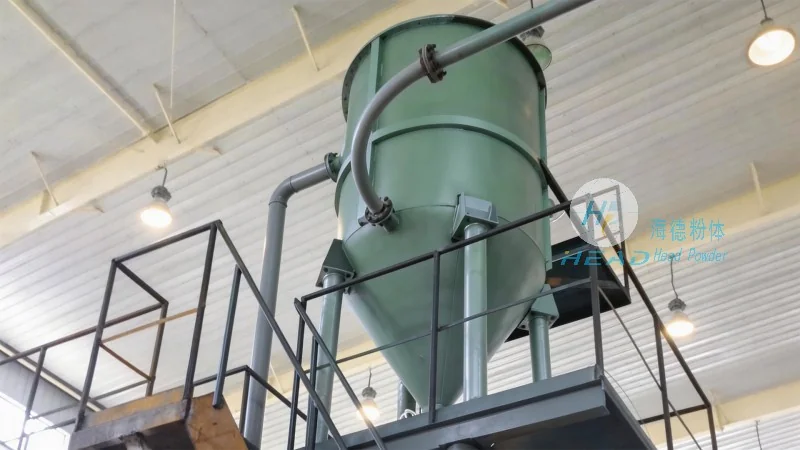
Containerized Transport
For smaller quantities or when specific handling requirements are needed, containerized transport is an alternative method. Chromium(III) oxide can be packaged in standard or specialized containers, such as plastic or metal drums, which are then loaded into shipping containers. This method provides additional protection against moisture and physical damage, making it suitable for products that require extra care. Containerized transport is often used for shipments to specific locations or for clients who need to handle the material themselves. The containers are sealed and labeled to ensure proper identification and handling during transit. This method allows for more flexibility in distribution and can be integrated into existing supply chains. Shandong HeadPowder Engineering Co., Ltd. may offer containerized transport options for clients who require smaller batches or have specific delivery requirements, ensuring that the chromium(III) oxide is delivered safely and efficiently.
Key Considerations for Safe Transportation
Regardless of the chosen method, several key considerations must be addressed to ensure the safe and efficient transportation of chromium(III) oxide. First, proper packaging is essential to prevent contamination and damage to the product. The containers used must be compatible with the material and able to withstand the conditions during transit. Second, adherence to safety regulations is critical, as chromium(III) oxide, while generally non-toxic, requires handling in accordance with industrial safety standards. This includes proper labeling, storage, and disposal procedures. Third, monitoring the transportation process is important to ensure that the product remains in its original state and that any issues are addressed promptly. Companies like Shandong HeadPowder Engineering Co., Ltd. implement strict quality control measures throughout the transportation process to maintain the integrity of their chromium(III) oxide products.
Conclusion
In conclusion, the transportation of chromium(III) oxide involves several methods, each with its own advantages and considerations. Bulk truck, railway, waterway, and containerized transport are all viable options, depending on the specific needs of the client. Proper handling, packaging, and adherence to safety regulations are crucial to ensure the quality and safety of the product during transit. Companies such as Shandong HeadPowder Engineering Co., Ltd. play a vital role in supplying chromium(III) oxide to various industries, utilizing these transportation methods to deliver high-quality products to their clients in China and beyond. By understanding the different transportation options and their implications, industrial users can make informed decisions to ensure the efficient and safe delivery of chromium(III) oxide for their applications.