

What are the methods for conveying polypropylene resin powder?
Shandong HeadPowder Engineering Co., Ltd., commonly known as HeadPowder, is a professional manufacturer and supplier of polypropylene resin powder handling solutions. Based in Shandong, China, the company specializes in providing efficient and reliable conveying systems for various industrial applications. Understanding the diverse needs of clients, HeadPowder offers a range of effective methods to transport polypropylene resin powder, ensuring smooth operations and minimal material loss. This article explores the primary methods used for conveying polypropylene resin powder, detailing their mechanisms, advantages, and typical applications.
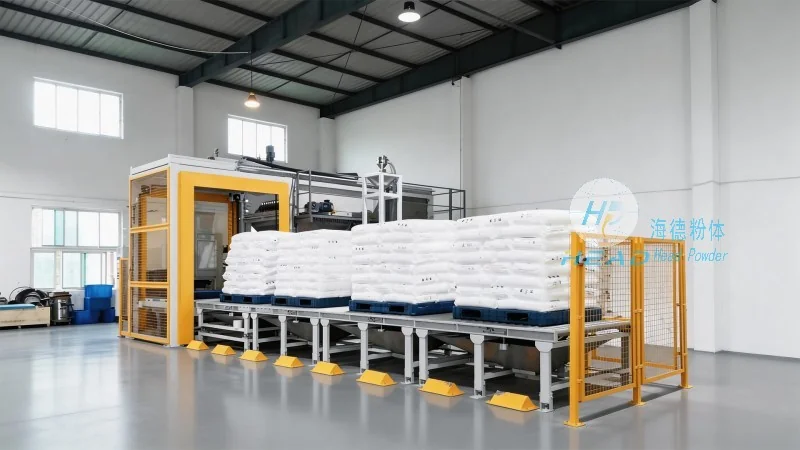
1. Air-Driven Pneumatic Conveying Systems
Pneumatic conveying, or air-driven systems, is one of the most common methods for transporting polypropylene resin powder. This technique utilizes compressed air to move the material through a pipeline. There are two main types: pressure and vacuum systems. Pressure systems use positive pressure to push the powder from the source to the destination, while vacuum systems create a negative pressure to draw the material. For polypropylene resin powder, pressure systems are often preferred due to their ability to handle larger quantities and longer distances efficiently. The system typically consists of a hopper, a rotary valve, a conveyor line, and a receiver. The polypropylene resin powder is fed into the hopper, then discharged through the rotary valve into the conveyor line. Compressed air is introduced at the inlet, creating a flow that carries the powder along the pipeline. The receiver collects the material at the end of the line. Pneumatic conveying offers advantages such as low maintenance, flexibility in layout, and the ability to handle fine powders without clogging. However, it requires proper air filtration to prevent dust accumulation and may not be suitable for very long distances or high material loads.
2. Screw Conveyors for Polypropylene Resin Powder
Screw conveyors, also known as auger conveyors, are another widely used method for transporting polypropylene resin powder. These systems consist of a rotating screw (auger) inside a cylindrical tube. The screw rotates, pushing the material forward along the tube. Screw conveyors are particularly effective for horizontal or slightly inclined transport of polypropylene resin powder. They are simple in design, requiring minimal space and low maintenance. The screw can be made of stainless steel or other corrosion-resistant materials to handle the resin powder without degradation. The speed of the screw and the pitch (distance between screw flights) can be adjusted to control the flow rate and prevent material bridging or clogging. Screw conveyors are suitable for moderate to high material volumes and can be integrated with other equipment, such as mixers or storage tanks. However, they may not be ideal for very fine powders or materials that tend to stick to the screw surface, as this can lead to uneven flow and increased wear.
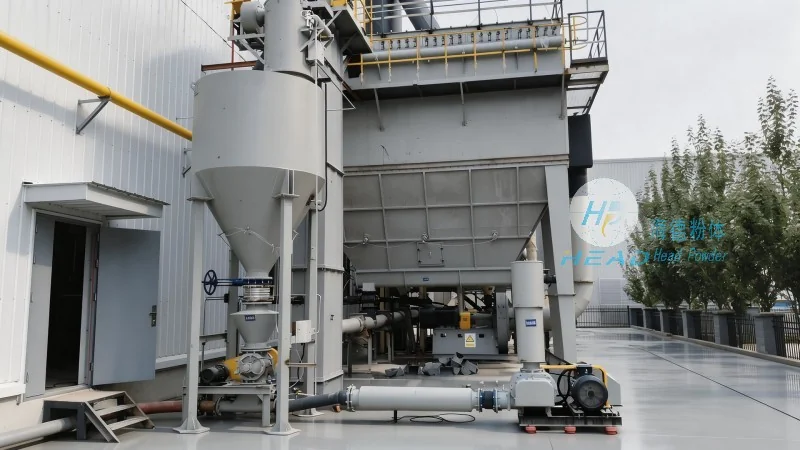
3. Vibrating Conveyors for Polypropylene Resin Powder
Vibrating conveyors use mechanical vibration to move polypropylene resin powder along a trough. The conveyor consists of a trough supported by vibration motors or a vibrating mechanism. The material is placed on the trough, and the vibration causes it to move forward. Vibrating conveyors are effective for transporting polypropylene resin powder in a continuous, uniform flow. They are particularly useful for handling materials that are prone to bridging or clogging, as the vibration helps break up clumps and maintain a smooth flow. The speed and amplitude of the vibration can be adjusted to control the material's movement. These systems are often used in applications where the material needs to be elevated or moved over a distance with a gentle slope. Vibrating conveyors are relatively low-cost and easy to install, making them a popular choice for many industrial settings. However, they may not be suitable for very fine powders or materials that are highly abrasive, as the vibration can cause increased wear on the trough and other components.
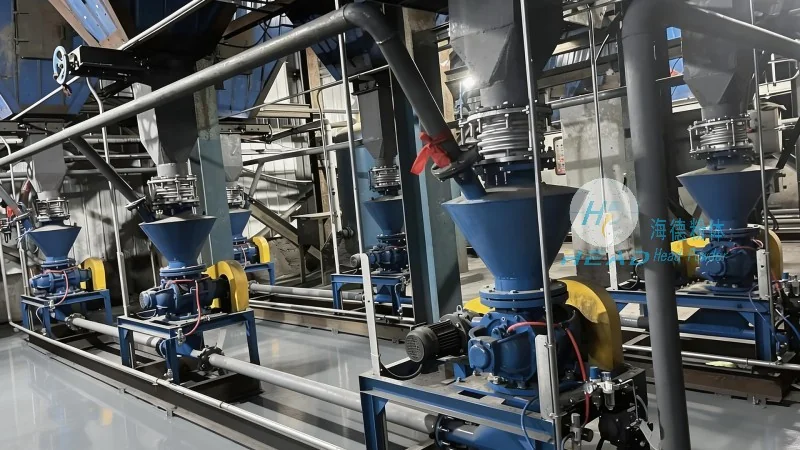
4. Belt Conveyors for Polypropylene Resin Powder
Belt conveyors are another option for transporting polypropylene resin powder, especially in applications requiring long-distance or high-volume transport. These systems consist of a continuous belt that moves over rollers or pulleys. The polypropylene resin powder is placed on the belt, and the belt transports it to the desired location. Belt conveyors are capable of handling large quantities of material and can be designed for both horizontal and inclined transport. They are often used in combination with other equipment, such as feeders or elevators, to enhance the conveying process. The belt material is typically made of rubber or other durable materials to resist abrasion from the polypropylene resin powder. The speed of the belt can be adjusted to control the flow rate, and the system can be equipped with sensors to monitor the material level and prevent overloading. Belt conveyors offer advantages such as high efficiency, low maintenance, and the ability to transport materials over long distances. However, they require more space than other systems and may not be suitable for very fine powders that can fall through the belt or cause it to stretch over time.
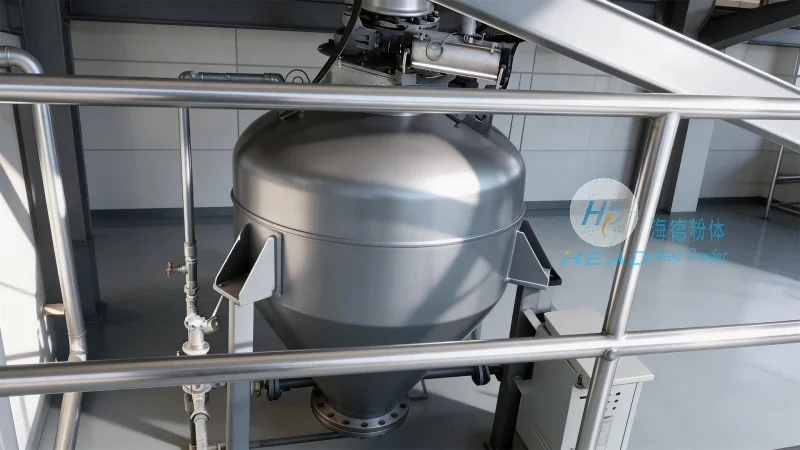
5. Hydraulic Conveying Systems
Hydraulic conveying systems use a liquid medium, such as water or a specialized fluid, to transport polypropylene resin powder. The material is mixed with the liquid and pumped through a pipeline. This method is particularly effective for handling fine powders or materials that are difficult to convey using other methods. The hydraulic system typically includes a pump, a mixing tank, and a pipeline. The polypropylene resin powder is added to the mixing tank, mixed with the liquid, and then pumped through the pipeline to the destination. The liquid helps to keep the powder suspended and prevents it from settling or clogging the pipeline. Hydraulic conveying offers advantages such as the ability to handle very fine powders and materials with high moisture content. However, it requires additional equipment for liquid handling and may not be suitable for applications where the material needs to be dried or processed after transport.
Conclusion
Shandong HeadPowder Engineering Co., Ltd. provides a range of effective conveying methods for polypropylene resin powder, each with its own advantages and applications. The choice of system depends on factors such as the material properties, required transport distance, and specific industrial needs. By understanding the characteristics of each method, clients can select the most suitable solution to ensure efficient and reliable transport of their polypropylene resin powder. HeadPowder's expertise in polypropylene resin powder handling ensures that clients receive tailored solutions that meet their operational requirements and enhance overall productivity.