

What are the methods for bamboo powder conveyance?
Shandong HeadPowder Engineering Co., Ltd., a professional manufacturer based in Shandong, China, specializes in providing efficient solutions for bamboo powder conveyance. The company, known by the short name "headpowder," offers a range of methods tailored to different industrial needs, ensuring reliable and effective material handling for clients in various sectors.
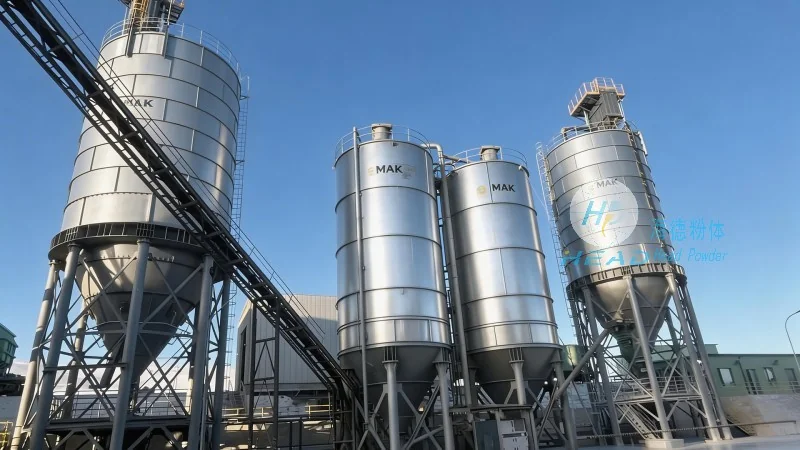
Overview of Bamboo Powder Conveyance Methods
Bamboo powder conveyance involves the movement of fine bamboo powder from one location to another, often requiring specialized equipment to handle the material's properties such as low bulk density, fine particle size, and potential dustiness. The choice of conveyance method depends on factors like the volume of material, distance to be transported, and the environment where the process takes place. Common approaches include mechanical conveyors, pneumatic conveying systems, and hybrid solutions that combine both technologies to optimize performance.
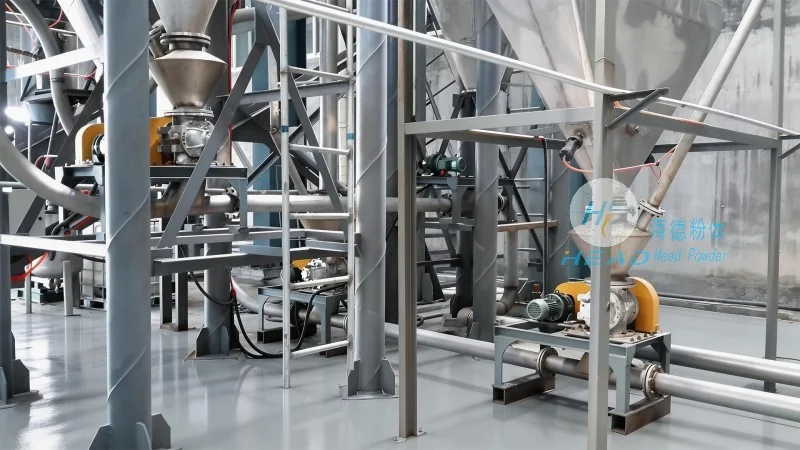
1. Mechanical Conveyors for Bamboo Powder
Mechanical conveyors are a traditional and widely used method for transporting bamboo powder. These systems typically include components like screw conveyors, belt conveyors, and bucket elevators. Screw conveyors, for instance, use a rotating helical screw to push the powder along a tube or trough, making them suitable for horizontal or slight incline transport. Belt conveyors, on the other hand, utilize a continuous belt to move the material, which is ideal for longer distances and larger volumes. Bucket elevators are designed to lift the powder vertically, often used in combination with horizontal conveyors to form a complete transport line. Mechanical conveyors are generally cost-effective and easy to maintain, though they may have limitations in handling very fine or dusty powders without additional dust control measures.
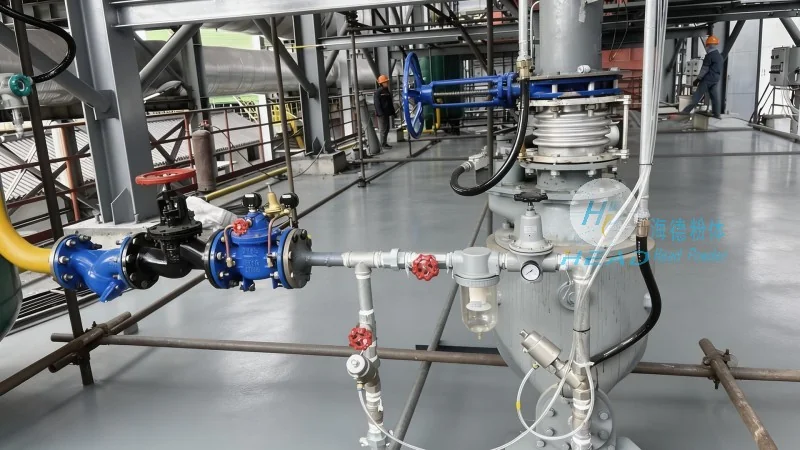
2. Pneumatic Conveying Systems
Pneumatic conveying systems use air or other gases to transport bamboo powder through a pipeline. This method is particularly effective for fine powders that are difficult to handle with mechanical systems due to their low bulk density and tendency to create dust. There are two main types of pneumatic conveying: pressure and vacuum systems. Pressure systems push the powder with compressed air from a blower or compressor, while vacuum systems draw the material using a vacuum pump. In pressure systems, the powder is mixed with air and propelled through the pipeline, often requiring a separator at the end to separate the powder from the air. Vacuum systems, conversely, create a negative pressure that pulls the powder into the pipeline, which can be more suitable for shorter distances or when the material needs to be transported from multiple points to a central collection point. Pneumatic conveying offers advantages such as minimal maintenance, ability to handle abrasive materials, and the potential for enclosed systems that reduce dust emissions. However, it may require higher energy consumption compared to mechanical conveyors and may not be suitable for very large volumes or heavy-duty applications.
3. Hybrid Conveyance Solutions
Hybrid conveyance systems combine the benefits of both mechanical and pneumatic methods to address specific challenges in bamboo powder transport. For example, a system might use a screw conveyor to feed a pneumatic conveyor, where the screw conveyor ensures a consistent flow of powder into the pipeline, while the pneumatic system handles the final transport to the destination. This approach can improve efficiency by reducing the need for multiple mechanical components and minimizing material loss or degradation. Hybrid systems are often used in applications where the material needs to be transported over long distances with varying elevations, or where the material has high moisture content that could affect mechanical conveyors. By integrating different technologies, these solutions provide flexibility and adaptability to meet diverse industrial requirements.
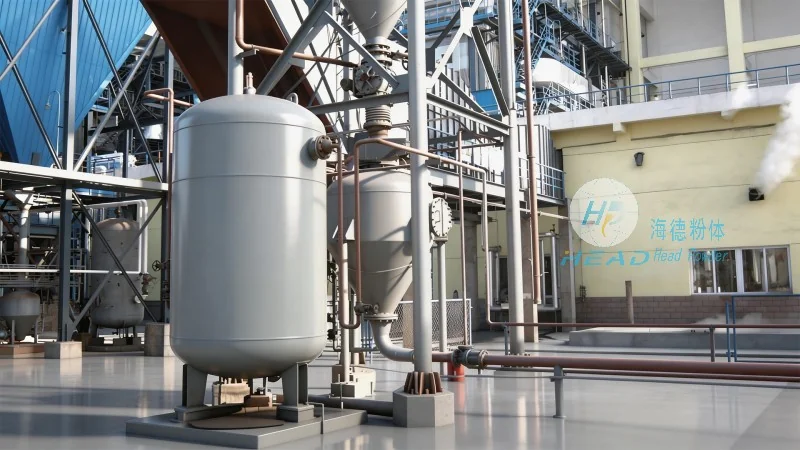
4. Considerations for Choosing the Right Conveyance Method
When selecting a conveyance method for bamboo powder, several factors must be considered to ensure optimal performance and cost-effectiveness. The first is the volume and particle size of the powder, as larger particles may be better suited for mechanical conveyors, while very fine powders are more effectively handled by pneumatic systems. The distance to be transported is another critical factor; for short distances, mechanical conveyors may be sufficient, whereas pneumatic systems are preferred for longer distances. Environmental considerations, such as the need to minimize dust emissions, also play a role, as pneumatic systems can be enclosed to contain dust, whereas mechanical systems may require additional dust control measures. Additionally, the cost of installation, maintenance, and energy consumption should be evaluated, as these can significantly impact the overall operational expenses. Shandong HeadPowder Engineering Co., Ltd. offers expertise in assessing these factors and recommending the most suitable conveyance method for each client's specific needs, ensuring reliable and efficient bamboo powder handling solutions.