

How are Barley Conveyed?
Barley, a staple grain integral to brewing, animal feed, and various food products, requires efficient and reliable transport from the field to processing facilities. The choice of conveying system directly impacts operational efficiency, grain quality, and production costs. This article explores primary barley conveyance methods, highlighting technologies and considerations that ensure smooth, effective transport.
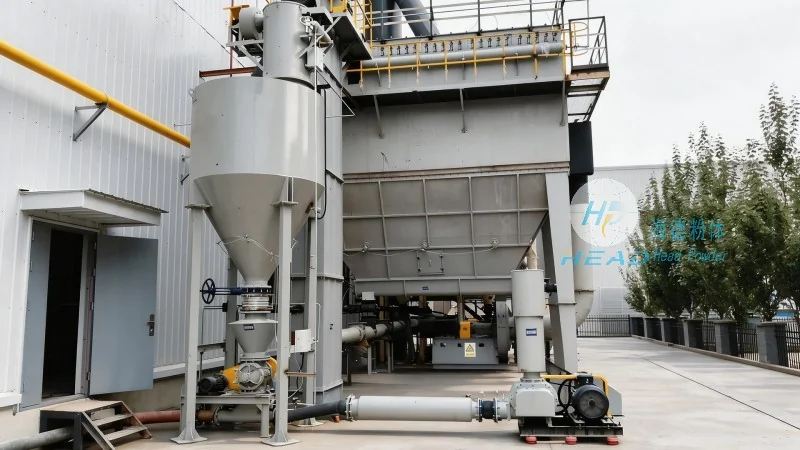
Introduction to Barley Conveying
Barley is harvested and then moved from storage or processing areas to the next stage of production. Conveying systems are critical, as they must accommodate the grain's physical properties—such as size, moisture content, and bulk density—while minimizing damage and loss. Common methods include mechanical, gravity, and pneumatic systems, each with distinct advantages and applications.
1. Mechanical Conveyors: The Workhorses of Grain Transport
Mechanical conveyors are widely used for barley transport due to durability, versatility, and ability to handle large volumes. These systems rely on mechanical components like rollers, belts, or chains. The most common is the belt conveyor, which uses a continuous belt to transport barley horizontally or with slight inclines, ideal for moving grain from storage bins to processing lines or trucks. Belt conveyors preserve grain quality by handling wet or sticky barley without excessive breakage. Another option is the screw conveyor, which uses a rotating screw to push barley forward. Screw conveyors excel at vertical or steep incline transport, lifting barley from lower to higher levels with minimal power. They integrate well with other equipment like elevators or mixers. While mechanical conveyors offer reliability, regular maintenance is needed to prevent wear and tear.
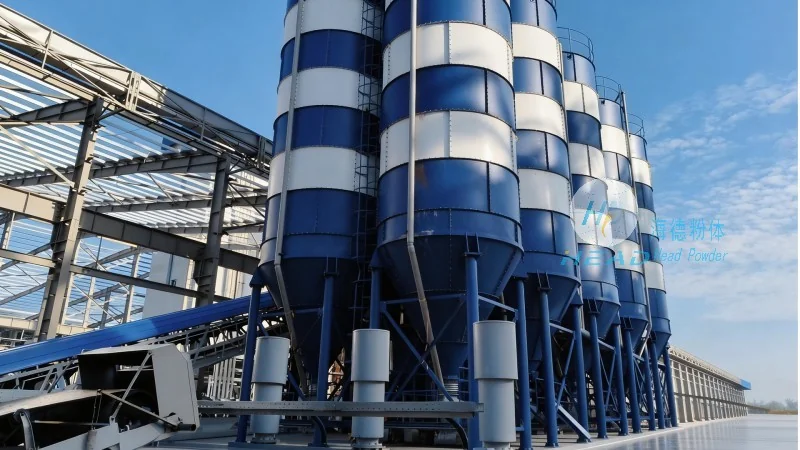
2. Gravity Conveyors: Energy-Efficient and Simple
Gravity conveyors utilize gravity to move barley, making them an energy-efficient and cost-effective choice for short-distance transport. These systems consist of sloped chutes or channels that allow barley to flow from a higher to a lower level without external power. They are ideal for moving barley within processing facilities, such as from a storage bin to a milling machine or packaging line. Gravity conveyors minimize breakage for dry, free-flowing barley. However, their effectiveness depends on sufficient height difference and a relatively level path; they are unsuitable for long-distance or vertical transport. Despite simplicity, gravity conveyors are valuable for specific needs, offering low maintenance.
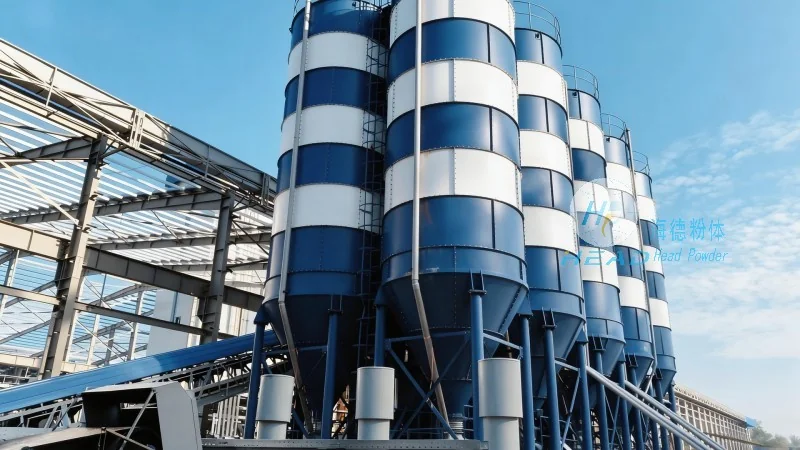
3. Pneumatic Conveying: High-Capacity and Flexible
Pneumatic conveying systems use air or gas to transport barley, ideal for high-capacity and flexible applications. These systems can move barley over long distances and through complex layouts, such as from a field to a processing plant. Two main types exist: positive displacement (uses a pump to create vacuum/pressure) and pressure (uses compressed air to force grain). Positive displacement systems handle long distances and vertical lifts, maintaining consistent flow rates. Pressure systems are effective for short-distance or horizontal transport. Pneumatic conveying minimizes physical contact, reducing breakage risk, especially for fine or delicate barley. However, it requires careful air pressure control to prevent degradation. Often combined with cyclones or filters to separate barley from air, pneumatic systems are popular in modern facilities for their flexibility and integration with automation.
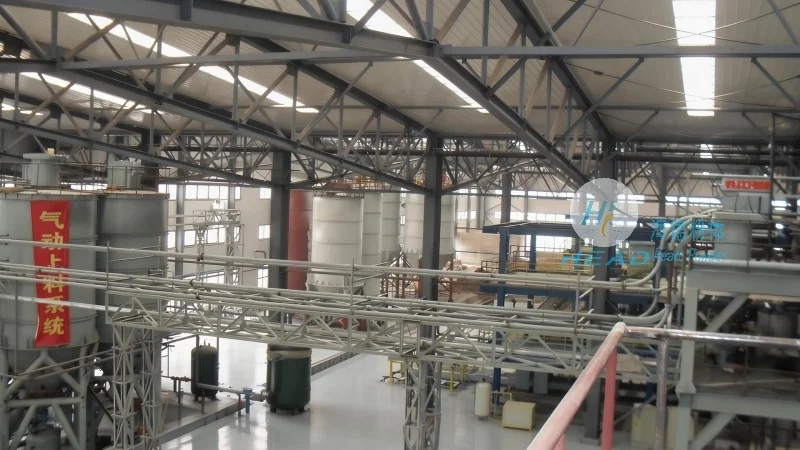
4. Choosing the Right Conveying System for Barley
The selection of a barley conveying system depends on factors like grain volume, distance, height difference, and physical properties. For short distances with minimal height difference, gravity conveyors are cost-effective. For long-distance or vertical transport, mechanical or pneumatic systems are better. Grain quality preservation and maintenance costs also influence decisions. Evaluating operational needs and consulting experts ensures optimal system choice, balancing efficiency, cost, and quality. Proper selection reduces downtime and improves productivity.
Conclusion: Ensuring Efficient Barley Conveyance
Efficient barley conveyance is critical to grain processing operations, directly impacting final product quality and costs. Understanding different methods and applications helps processors choose the most suitable system. Mechanical conveyors offer durability and versatility; gravity conveyors provide energy efficiency; pneumatic systems offer flexibility and high capacity. The key is to balance operational requirements with cost-effectiveness and grain quality. As barley demand grows, reliable conveying systems become more important. Companies like Shandong HeadPowder Engineering Co., Ltd., with expertise in grain handling technology, provide effective solutions. Their commitment to quality and innovation ensures barley processing facilities operate efficiently and sustainably, meeting industry and consumer needs.