

How are Corundum Conveyed?
Corundum, a highly durable and abrasive material, is widely used in various industrial applications such as refractory production, abrasive tools, and polishing compounds. The efficient and safe transportation of corundum is crucial for maintaining production efficiency and ensuring operational safety. This article explores the primary methods of corundum conveying, highlighting the key considerations and applications for each approach.
Understanding Corundum and Its Conveying Requirements
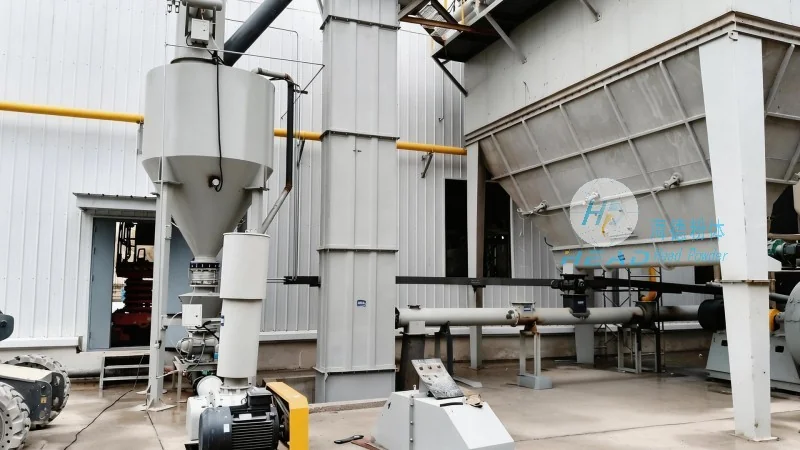
Before delving into the specific conveying methods, it is essential to understand the properties of corundum that influence its handling. Corundum, chemically known as aluminum oxide (Al₂O₃), is characterized by its high hardness, thermal stability, and chemical inertness. These properties make it a preferred material in high-temperature and abrasive environments. However, its abrasive nature also means that conveying systems must be designed to minimize wear and ensure longevity. The choice of conveying method often depends on factors such as material flow rate, distance, particle size, and the need for dust control.
Common Conveying Methods for Corundum
Several methods are commonly employed for the transportation of corundum, each with its own advantages and limitations. The most prevalent options include screw conveyors, belt conveyors, and pneumatic (air) conveying systems. Each method is suitable for different operational scenarios, and the selection process involves evaluating the specific requirements of the application.
Screw Conveyors: A Reliable Bulk Material Transport Solution
Screw conveyors, also known as auger conveyors, are among the most widely used equipment for transporting dry bulk materials like corundum. These systems consist of a rotating helical screw blade enclosed within a U-shaped or tubular housing. As the screw rotates, it pushes the material forward through the housing, ensuring a continuous and controlled flow. Screw conveyors are particularly effective for horizontal or slightly inclined transport over short to medium distances, typically up to 30 meters. They are ideal for applications where the material is free-flowing and non-abrasive, although corundum's abrasive nature may require the use of wear-resistant materials for the screw and housing, such as stainless steel or high-chrome alloy.
The primary advantages of screw conveyors include their simplicity, low maintenance requirements, and ability to handle a wide range of particle sizes. They are also suitable for vertical lifting, making them versatile for multi-level operations. However, screw conveyors may experience significant wear when handling highly abrasive materials like corundum, which can lead to increased maintenance costs and reduced efficiency over time. Additionally, they are not well-suited for long-distance transport due to the limitations of the screw's mechanical design.
Belt Conveyors: High-Capacity and Versatile Transport Systems
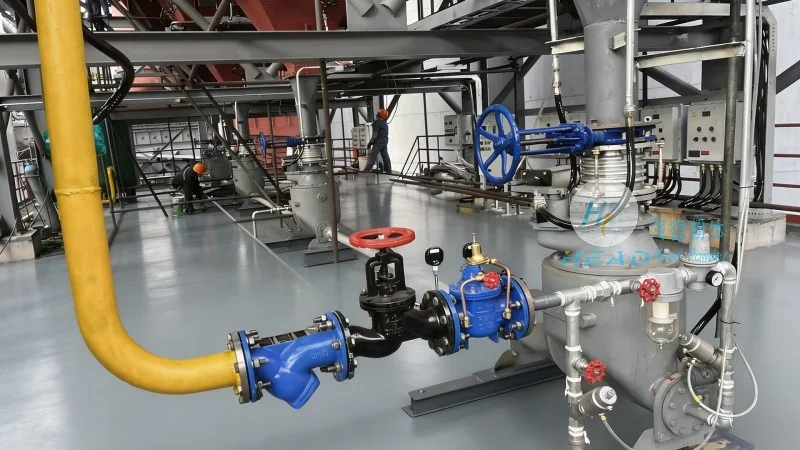
Belt conveyors represent another popular choice for corundum conveying, especially in large-scale industrial settings. These systems utilize a continuous belt, typically made of rubber or synthetic materials, that moves over a series of rollers or pulleys. The material is placed on the belt at one end and transported to the other, where it is discharged. Belt conveyors are capable of handling high volumes of material over long distances, making them suitable for applications requiring extended transport lengths, often up to several hundred meters.
One of the key benefits of belt conveyors is their high capacity and ability to transport materials at relatively high speeds. They are also suitable for both horizontal and inclined transport, and can be adapted for vertical lifting using inclined belt configurations. The design of the belt and the supporting structure can be customized to accommodate the abrasive nature of corundum, with options such as reinforced belts and heavy-duty rollers to minimize wear. However, belt conveyors require more maintenance than screw conveyors, as the belts and pulleys are subject to continuous friction and abrasion. Regular inspection and replacement of worn components are necessary to ensure optimal performance.
Pneumatic Conveying: Air-Based Transport for Dust-Free Handling
Pneumatic conveying systems utilize air or other gases to transport corundum particles through a pipeline. This method is particularly advantageous for applications where dust control is a critical concern, as the material is contained within the pipeline, preventing airborne dust and minimizing environmental impact. There are two main types of pneumatic conveying: pressure and vacuum systems. Pressure systems use compressed air to push the material through the pipeline, while vacuum systems use a vacuum to draw the material into the pipeline.
Pressure pneumatic conveying is commonly used for short to medium distances and moderate flow rates. It is effective for transporting dry, free-flowing materials like corundum and can handle a wide range of particle sizes. The system typically consists of a hopper, a feeder, a pressure vessel, and a pipeline. The material is fed into the pressure vessel, where it is mixed with compressed air and then discharged through the pipeline to the destination. Vacuum pneumatic conveying is more suitable for longer distances and higher flow rates, as it can maintain a consistent flow over greater distances. However, vacuum systems require more energy to operate and may be less efficient for very fine particles.
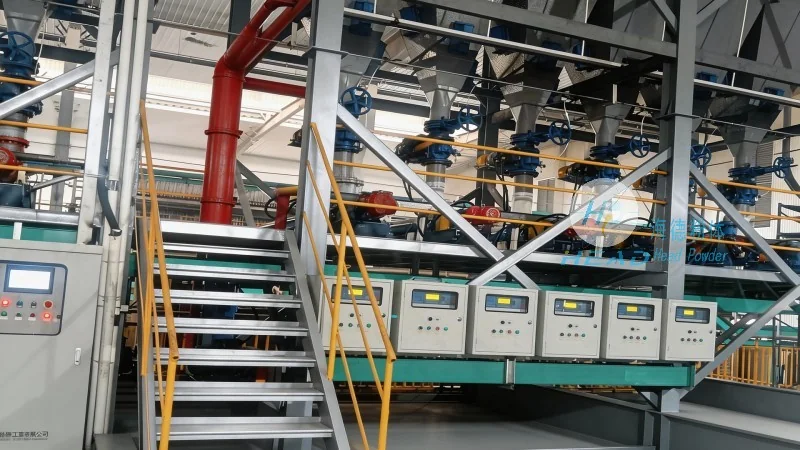
The primary advantage of pneumatic conveying is its ability to handle materials in a dust-free environment, which is essential for applications where dust can cause health hazards or interfere with downstream processes. Additionally, pneumatic systems can be designed to transport materials vertically, making them suitable for multi-level operations. However, pneumatic conveying is generally more expensive to install and operate compared to mechanical systems like screw or belt conveyors. The high air pressure or vacuum requirements also mean that the system components, such as pumps and filters, need to be robust and well-maintained to prevent failures.
Choosing the Right Conveying Method for Corundum
The selection of the most appropriate conveying method for corundum depends on several factors, including the specific application requirements, the distance to be covered, the flow rate, and the need for dust control. For short-distance, horizontal transport of free-flowing corundum, a screw conveyor may be the most cost-effective solution. For longer distances or high-volume applications, a belt conveyor offers greater capacity and flexibility. For applications where dust control is paramount, pneumatic conveying is the preferred choice, despite its higher operational costs.
It is also important to consider the wear and maintenance aspects of each system. Corundum's abrasive nature means that all conveying equipment will experience wear over time, and regular maintenance is essential to ensure consistent performance. The use of wear-resistant materials and components can extend the lifespan of the equipment and reduce downtime. Additionally, the integration of monitoring systems, such as vibration sensors or temperature indicators, can help detect potential issues early and prevent costly breakdowns.
Conclusion
Efficient and safe conveying of corundum is a critical aspect of industrial operations, and the choice of conveying method plays a significant role in determining the overall efficiency and cost-effectiveness of the process. By understanding the properties of corundum and the capabilities of different conveying systems, industrial operators can select the most suitable method for their specific needs. Whether using screw conveyors, belt conveyors, or pneumatic systems, the key is to balance performance, cost, and operational requirements to achieve optimal results.