

Methods of Abrasive Powder Conveying
Effective and efficient abrasive powder conveying is a critical aspect of industrial operations, particularly in manufacturing and processing environments where sanding and polishing are routine tasks. The choice of conveying method significantly impacts production efficiency, material handling costs, and overall operational safety. This article explores the primary methods of abrasive powder conveying, providing insights into the technologies and considerations that businesses should evaluate when selecting a suitable system.
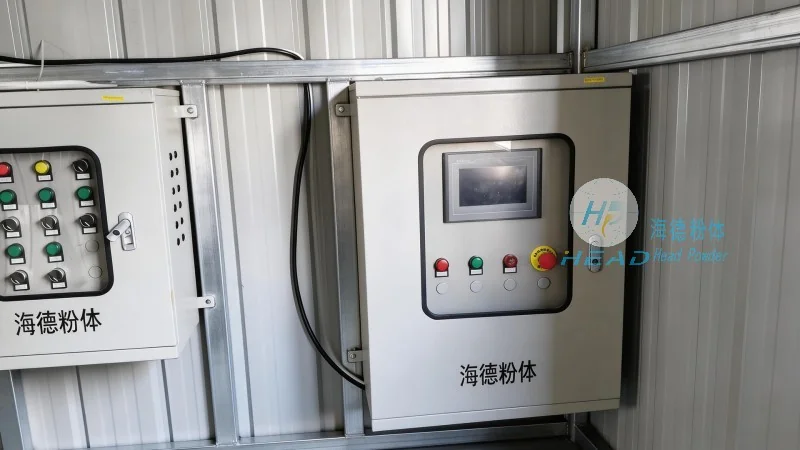
Overview of Abrasive Powder Conveying Systems
Abrasive powder conveying systems are designed to transport sanding and polishing powders from storage to processing equipment, such as sanding machines or polishing lines. These systems must handle materials with varying particle sizes, moisture content, and abrasive properties while ensuring minimal material loss and consistent flow. The selection of a conveying method depends on factors like material characteristics, production scale, space availability, and budget constraints. Common methods include pneumatic conveying, mechanical conveying, and hybrid systems, each with distinct advantages and limitations.
Pneumatic Conveying: A Versatile Solution for Abrasive Powder Handling
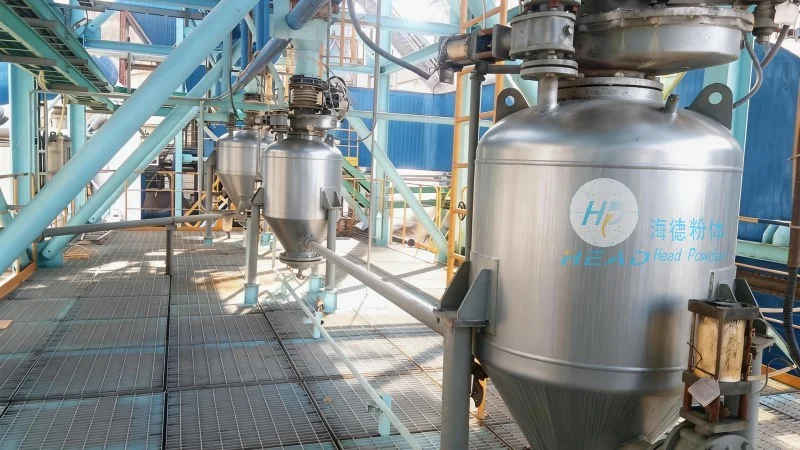
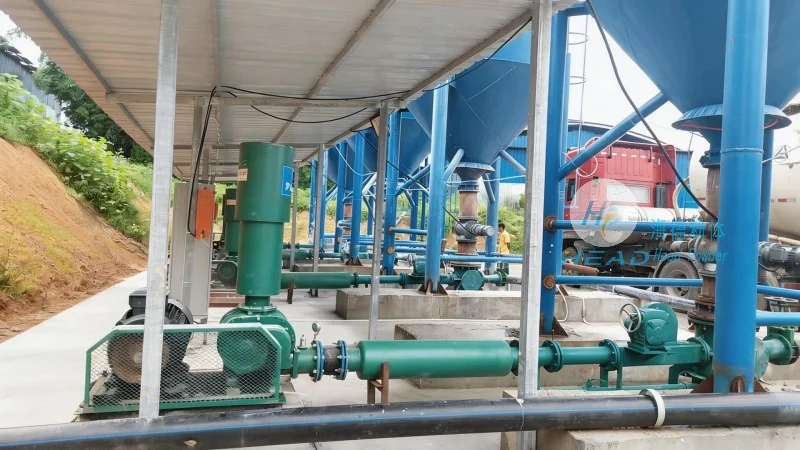
Pneumatic conveying, also known as air-assisted transport, is a widely used method for abrasive powder handling due to its flexibility and ability to transport materials over long distances. This system operates by using compressed air to create a flow of abrasive powder through a pipeline. The primary types of pneumatic conveying include pressure and vacuum systems. Pressure systems use positive pressure to push the material forward, while vacuum systems use negative pressure to pull the material into the pipeline. For abrasive powders, pressure systems are often preferred as they can handle higher material loads and provide more consistent flow rates. The key components of a pneumatic conveying system include a hopper for material storage, a blower or compressor to generate airflow, a pipeline network, and a receiver or discharge point. Pneumatic conveying is particularly effective for handling fine abrasive powders, as it minimizes material degradation and ensures a clean, dust-free transfer process. The technology is widely adopted by companies like Shandong HeadPowder Engineering Co., Ltd., which specializes in providing customized conveying solutions tailored to specific industrial needs.
Mechanical Conveying: Reliability and Cost-Effectiveness in Abrasive Powder Transport
Mechanical conveying methods, such as belt conveyors, screw conveyors, and bucket elevators, offer a reliable and cost-effective alternative to pneumatic systems for abrasive powder transport. These systems rely on mechanical components to move materials through a system, typically using gravity or motorized drives. Belt conveyors are commonly used for horizontal or slightly inclined transport of abrasive powders, while screw conveyors are ideal for vertical or inclined movement. Bucket elevators are particularly effective for transporting abrasive powders over long vertical distances, as they can handle high material loads with minimal maintenance. Mechanical conveying systems are often preferred in applications where the abrasive powder is coarse or has high moisture content, as they can handle larger particles without causing blockages or wear to the system components. The choice of mechanical conveyor depends on the specific material characteristics and the layout of the production facility. For instance, a screw conveyor may be suitable for transporting dry, free-flowing abrasive powders in a horizontal or slight incline, while a bucket elevator is better suited for vertical transport of heavier or more abrasive materials. Companies like HeadPowder, a division of Shandong HeadPowder Engineering Co., Ltd., offer a range of mechanical conveying solutions designed to meet the diverse needs of industrial clients.
Hybrid Conveying Systems: Combining the Best of Both Worlds
Hybrid conveying systems, which combine pneumatic and mechanical components, provide a flexible solution for abrasive powder handling in complex industrial settings. These systems often use pneumatic transport for the initial material transfer from storage to a processing point, followed by mechanical conveyors for further transport or processing. The hybrid approach allows for efficient material handling while minimizing energy consumption and wear on system components. For example, a hybrid system might use a pneumatic conveyor to transport abrasive powder from a storage silo to a screw conveyor, which then transports the material to a sanding machine. This combination leverages the advantages of both pneumatic and mechanical systems, ensuring optimal performance and cost-effectiveness. Hybrid systems are particularly useful in large-scale manufacturing environments where multiple processing stages are involved. The design of a hybrid system requires careful consideration of the material flow, energy requirements, and maintenance needs. Companies specializing in industrial engineering, such as Shandong HeadPowder Engineering Co., Ltd., can provide expert guidance in designing and implementing hybrid conveying systems that meet the specific requirements of their clients.
Key Considerations for Selecting an Abrasive Powder Conveying Method
When selecting an abrasive powder conveying method, several factors must be considered to ensure optimal performance and operational efficiency. The first consideration is the material characteristics, including particle size, moisture content, and abrasive properties. Fine abrasive powders may require pneumatic conveying to avoid material degradation, while coarse or wet powders may be better suited for mechanical systems. The second factor is the production scale and throughput requirements. Large-scale operations may benefit from pneumatic or hybrid systems, which can handle high material volumes, while smaller operations may opt for mechanical conveyors. The third consideration is the available space and layout of the production facility. Pneumatic systems typically require less floor space compared to mechanical systems, making them suitable for compact facilities. The fourth factor is the budget and maintenance costs. Mechanical systems are generally more cost-effective to maintain, while pneumatic systems may have higher energy costs. Additionally, the safety and environmental considerations must be evaluated, as abrasive powders can be hazardous if not handled properly. Proper dust control measures and material containment are essential to ensure workplace safety and compliance with environmental regulations. Companies like HeadPowder, a division of Shandong HeadPowder Engineering Co., Ltd., offer comprehensive solutions that address these considerations, providing customized conveying systems that enhance operational efficiency and safety.
Conclusion: Choosing the Right Abrasive Powder Conveying Method
In conclusion, the selection of an abrasive powder conveying method is a critical decision that impacts the efficiency, cost, and safety of industrial operations. Pneumatic conveying offers versatility and efficiency for fine abrasive powders, while mechanical conveying provides reliability and cost-effectiveness for coarse or wet materials. Hybrid systems combine the best of both worlds, offering flexibility for complex applications. The choice of method depends on material characteristics, production scale, space availability, and budget constraints. By carefully evaluating these factors and consulting with experts in industrial engineering, such as Shandong HeadPowder Engineering Co., Ltd., businesses can select the most suitable abrasive powder conveying system to meet their specific needs. The goal is to achieve efficient material handling, minimize operational costs, and ensure workplace safety, ultimately enhancing overall productivity and profitability. Whether using pneumatic, mechanical, or hybrid systems, the key is to select a solution that aligns with the operational requirements and long-term goals of the organization.