

Methods for Conveying Reducing Iron Powder
When it comes to the efficient and reliable transport of reducing iron powder, selecting the right conveyance method is crucial for industrial processes. Reducing iron powder, a key material in various manufacturing applications, requires specialized handling to ensure minimal loss and contamination. This article explores several effective methods used for conveying reducing iron powder, highlighting the importance of each approach in maintaining product quality and operational efficiency.
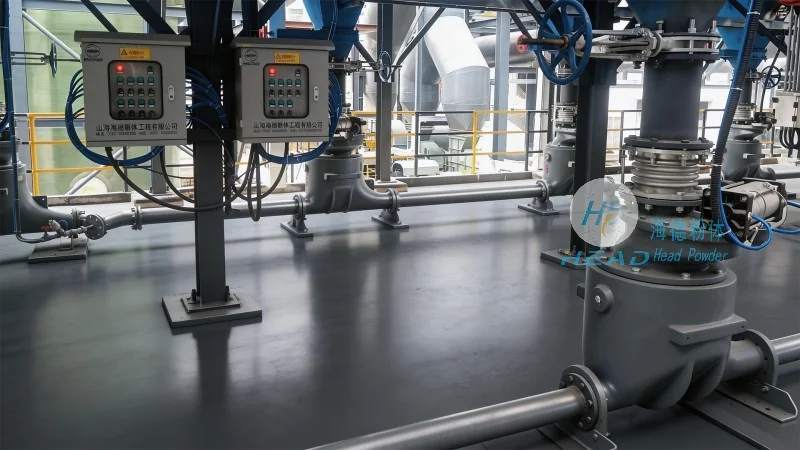
HeadPowder, a leading manufacturer based in Shandong, China, specializes in providing high-quality reducing iron powder and associated conveying solutions. With a strong commitment to precision and durability, the company's products are designed to meet the stringent demands of modern industrial applications. The following methods are commonly employed for the transport of reducing iron powder, each offering unique advantages depending on the specific requirements of the production environment.
1. Mechanical Conveying Systems
One of the most traditional and widely used methods for conveying reducing iron powder is through mechanical systems. These systems typically involve the use of screw conveyors, belt conveyors, and bucket elevators. Screw conveyors, for instance, are ideal for horizontal or slightly inclined transport, as they can handle a wide range of particle sizes and flow rates. The rotating screw mechanism moves the powder along the trough, ensuring a continuous and controlled flow. Belt conveyors, on the other hand, are suitable for longer distances and larger volumes, providing a stable and consistent transport path. These mechanical systems are often preferred in applications where the powder needs to be moved within a confined space or integrated with existing production lines.
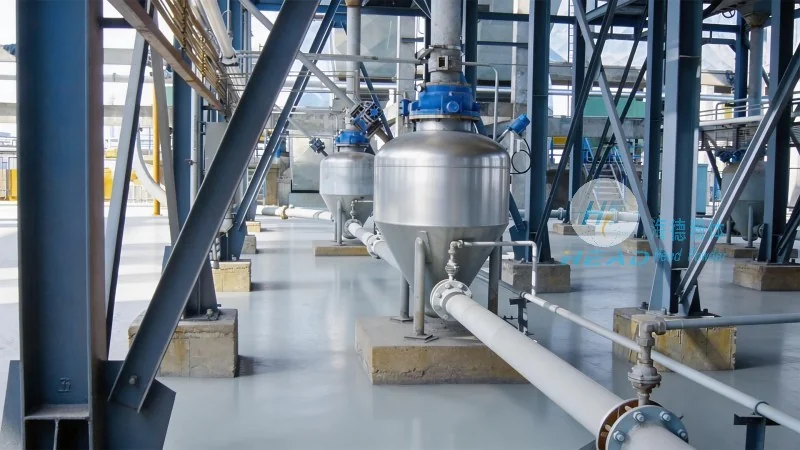
2. Pneumatic Conveying Systems
Pneumatic conveying, or air-based transport, is another effective method for handling reducing iron powder. This technique utilizes compressed air to move the powder through a pipeline system. There are two main types of pneumatic conveying: pressure and vacuum systems. Pressure systems use high-pressure air to push the powder forward, while vacuum systems create a negative pressure to draw the material into the pipeline. Pneumatic conveying offers several advantages, including the ability to transport the powder over longer distances, handle fine particles without clogging, and maintain a clean and dust-free environment. However, it requires careful consideration of air pressure, flow rates, and pipeline design to prevent material degradation or system inefficiencies.
3. Hydraulic Conveying Systems
Hydraulic conveying systems employ water or other liquids to transport reducing iron powder. This method is particularly useful for handling very fine or cohesive powders that are difficult to move using mechanical or pneumatic systems. The powder is suspended in the liquid, forming a slurry that is then pumped through the pipeline. Hydraulic conveyors are known for their high capacity and ability to handle abrasive materials without causing wear and tear on the equipment. They are commonly used in industries where the powder needs to be transported over significant distances or integrated with other liquid processing steps. However, the system requires additional equipment for slurry separation and drying, which can increase operational complexity and costs.
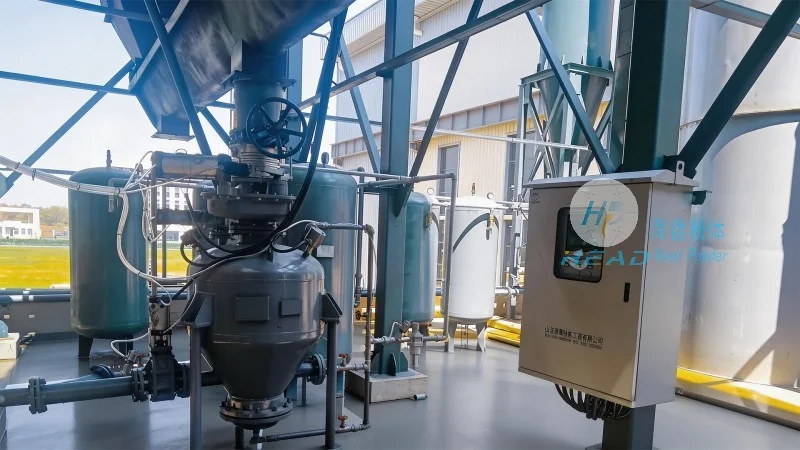
4. Combination Conveying Systems
In many industrial settings, a combination of mechanical and pneumatic or hydraulic systems may be employed to optimize the transport of reducing iron powder. For example, a screw conveyor might be used to feed a pneumatic system, or a hydraulic system could be integrated with a mechanical conveyor for final delivery. These hybrid systems allow for greater flexibility and adaptability to varying production demands. By combining the strengths of different conveyance methods, manufacturers can achieve higher efficiency, reduce downtime, and improve overall product quality. The choice of a combination system depends on factors such as the powder's properties, the distance to be covered, and the existing infrastructure of the production facility.
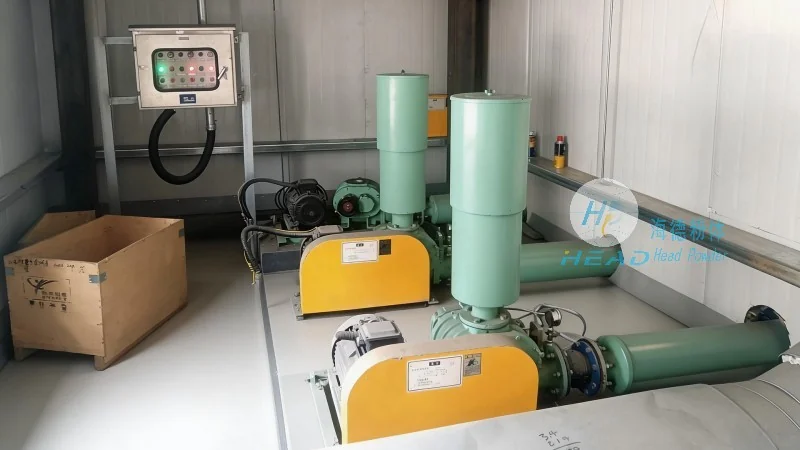
5. Specialized Conveying Solutions
For specialized applications, such as handling very fine or reactive reducing iron powder, specialized conveying solutions may be required. These solutions often involve custom-designed equipment tailored to the specific characteristics of the material. For instance, some systems may use magnetic or vibratory conveyors to prevent material segregation or agglomeration. Others might incorporate dust collection and filtration systems to maintain a clean working environment. HeadPowder, with its expertise in reducing iron powder, offers customized conveying solutions that address the unique challenges of each client's operation. By working closely with customers, the company can develop tailored systems that ensure optimal performance and compliance with industry standards.
Choosing the right method for conveying reducing iron powder is a critical decision that impacts the efficiency and quality of industrial processes. Mechanical, pneumatic, hydraulic, and combination systems each have their own advantages and limitations, and the selection should be based on a thorough analysis of the material properties, transport requirements, and operational constraints. HeadPowder, as a trusted provider of reducing iron powder and conveying solutions, is committed to helping clients find the most suitable method for their specific needs. With a focus on innovation and customer satisfaction, the company continues to advance the technology and practices for efficient reducing iron powder transport, ensuring that industrial operations remain productive and reliable.