

Methods of Lightweight Concrete Transportation
Lightweight concrete, a material valued for its reduced density and superior thermal insulation capabilities, demands specialized transportation methods to preserve its structural integrity and performance attributes during construction. The efficient delivery of lightweight concrete is a critical aspect of modern construction, as it directly impacts project timelines and material quality. This article examines the primary methods used for transporting lightweight concrete, highlighting the best practices implemented by industry leaders such as Shandong HeadPowder Engineering Co., Ltd., a company based in China.
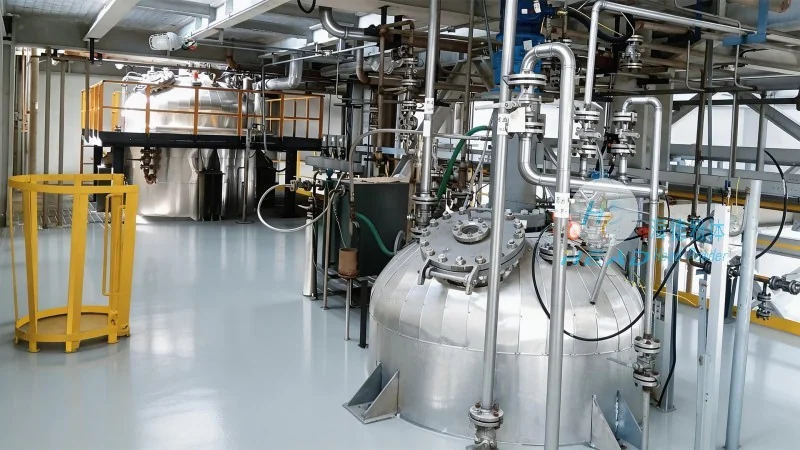
1. Pumping Systems for Efficient Lightweight Concrete Delivery
One of the most prevalent and efficient methods for transporting lightweight concrete is through pumping systems. These systems utilize hydraulic pressure to move the material from a mixing facility or storage silo to the construction site. The process involves a concrete pump, which can be truck-mounted or stationary, equipped with a specialized pump head designed to handle the lower density and higher air content typical of lightweight concrete. The pumping method offers significant advantages, including the ability to reach elevated or remote locations without extensive scaffolding or lifting equipment. Shandong HeadPowder Engineering Co., Ltd. employs advanced pumping technologies to ensure smooth and consistent flow, minimizing the risk of segregation or air loss in the concrete mix. This approach enhances the workability of lightweight concrete, enabling faster placement and reducing labor costs on-site. The company’s expertise in pumping systems ensures that lightweight concrete is delivered with precision, maintaining its intended properties for structural and thermal performance.
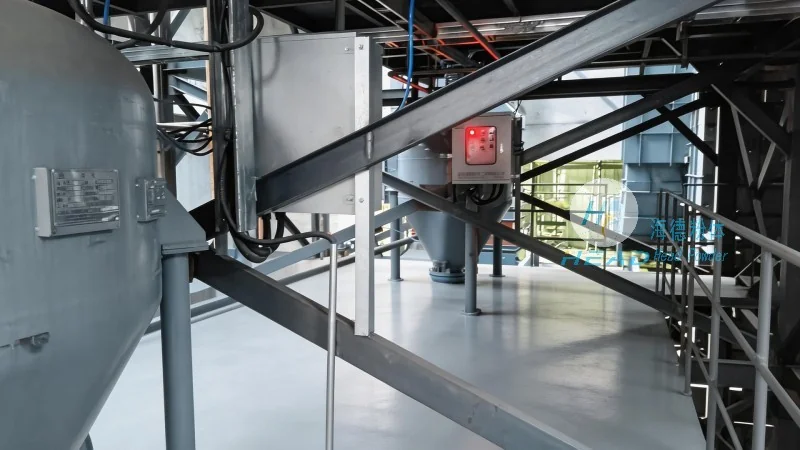
2. Conveying Systems with Belt and Screw Conveyors
Another effective method for transporting lightweight concrete involves the use of conveying systems, such as belt or screw conveyors. These systems are particularly suitable for horizontal or slight incline movements over short to medium distances. Belt conveyors utilize a continuous belt to transport the concrete, while screw conveyors employ a rotating screw to push the material forward. Both systems are engineered to accommodate the unique characteristics of lightweight concrete, including its lower weight and higher air content. The use of conveyors allows for automated and continuous material movement, reducing the need for manual handling and enhancing safety on construction sites. Shandong HeadPowder Engineering Co., Ltd. integrates these conveying systems into their delivery processes to ensure reliable and consistent transport of lightweight concrete from storage to the point of use. This method is especially beneficial for projects requiring large volumes of lightweight concrete, as it can handle high throughput rates without compromising the quality of the material. The company’s conveyance solutions are designed to maintain the integrity of the lightweight concrete mix, ensuring that it reaches the construction site in optimal condition.
3. Truck-Mounted Mixer Trucks for On-Site Mixing and Transport
Truck-mounted mixer trucks represent a versatile solution for transporting lightweight concrete, particularly for projects where on-site mixing is required. These trucks are equipped with a rotating drum that continuously mixes the concrete as it is transported to the construction site. The mixing process ensures that the lightweight aggregate and cementitious materials are well combined, preserving the desired consistency and air content. Truck-mounted mixers offer flexibility in delivering concrete directly to the work area, eliminating the need for separate mixing and pumping operations. Shandong HeadPowder Engineering Co., Ltd. utilizes modern truck-mounted mixer trucks to provide on-demand delivery of lightweight concrete, ensuring that the material is fresh and ready for placement. This method is advantageous for projects with tight timelines or challenging access conditions, as it allows for rapid response and efficient on-site mixing. The company’s truck-mounted mixer fleet is equipped with advanced controls to maintain the optimal mix ratio and temperature of lightweight concrete, further enhancing its performance.
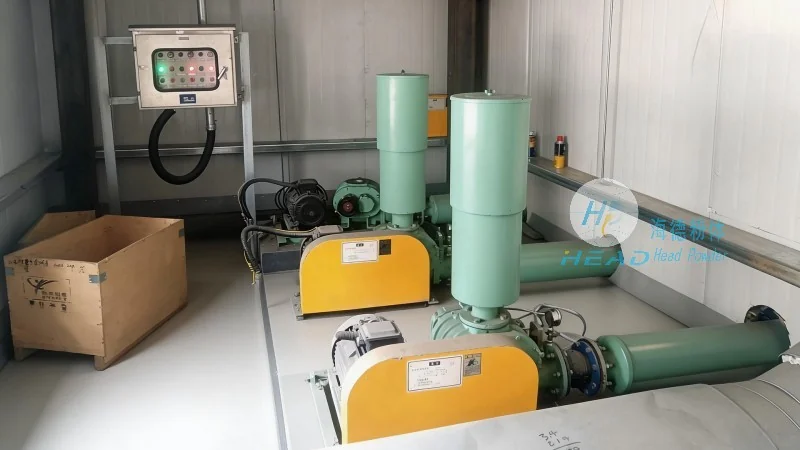
4. Manual Handling and Small-Scale Transport Equipment
For smaller-scale projects or specialized applications where large machinery is not feasible, manual handling and small-scale transport equipment are employed. This includes the use of wheelbarrows, hand trucks, or small conveyors for transporting lightweight concrete in batches. While less common for large-scale construction, this method is useful for tasks such as patching, finishing, or delivering concrete to hard-to-reach areas. The key to successful manual handling is proper technique and the use of appropriate equipment to prevent spillage or damage to the lightweight concrete mix. Shandong HeadPowder Engineering Co., Ltd. may recommend manual handling for smaller volumes or specialized applications, ensuring that the lightweight concrete is handled with care to maintain its quality and performance. This approach allows for greater flexibility in on-site operations while still adhering to safety and quality standards. The company’s guidance on manual handling emphasizes the importance of minimizing air loss and maintaining the mix’s consistency to ensure the lightweight concrete meets design specifications.