

Common Methods for Ceramic Powder Conveying
Ceramic powder conveying is a fundamental process in the ceramics manufacturing industry, directly impacting production efficiency, material quality, and operational safety. The selection of an appropriate conveying method is crucial as it determines how effectively raw materials are transported from storage to processing equipment. This article explores several common approaches to ceramic powder conveying, detailing their applications, benefits, and considerations for implementation.
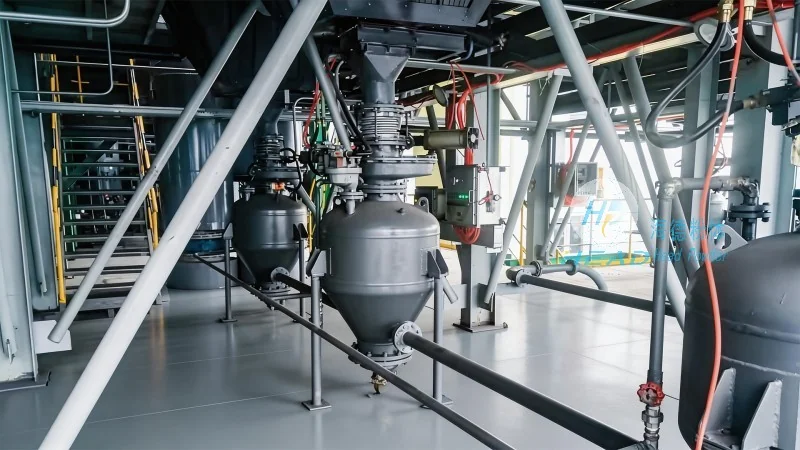
3.1 Screw Conveyors for Ceramic Powder Handling
Screw conveyors, also known as auger conveyors, are widely used for transporting ceramic powders due to their simplicity and reliability. These systems consist of a rotating helical screw enclosed within a tube or trough. As the screw rotates, it pushes the powder forward, ensuring a continuous flow. Screw conveyors are particularly effective for short to medium distances and can handle a variety of powder types, including fine, dry, and slightly cohesive materials.
One of the key advantages of screw conveyors is their enclosed design, which helps contain dust and prevent contamination—a critical factor in maintaining powder quality. They also require minimal maintenance and offer high operational reliability. However, they may not be suitable for very large or abrasive particles, as the screw and trough can experience wear over time. To address this, manufacturers like Shandong HeadPowder Engineering Co., Ltd. (HeadPowder) utilize high-quality, wear-resistant materials such as stainless steel or specialized alloys for the screw and housing, extending service life and reducing downtime.
3.2 Pneumatic Conveying Systems
Pneumatic conveying, or air-powered transport, uses compressed air or vacuum to move ceramic powders through a network of pipes. This method is ideal for long-distance transport, high-volume applications, and environments where dust containment is a priority. There are two primary types: positive pressure (using a blower to force air and powder) and negative pressure (using a vacuum to draw material).
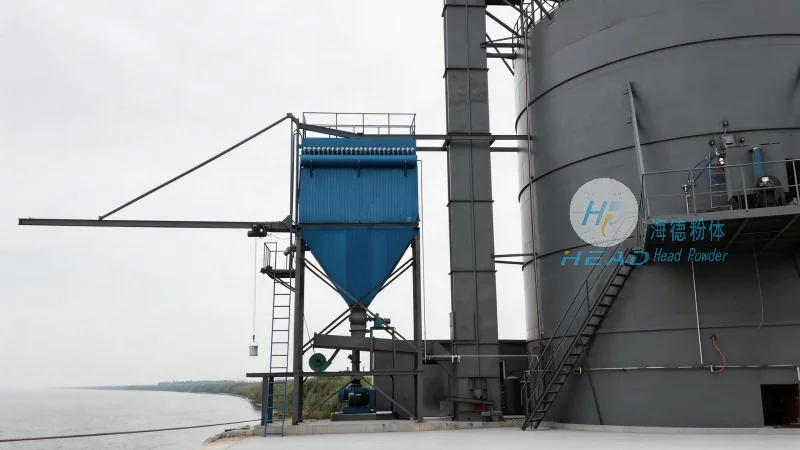
Pneumatic conveying offers benefits such as no mechanical contact with the powder, minimizing degradation and contamination. It also allows flexible system layouts. However, it is more energy-intensive and requires careful consideration of the powder's properties (e.g., particle size, moisture) for efficient operation. HeadPowder specializes in customizing pneumatic systems, incorporating advanced control and air management to optimize performance and reduce energy use.
3.3 Vibrating Conveyors
Vibrating conveyors rely on vibrations to move ceramic powders along a trough or conveyor bed. These systems use vibration motors or an unbalanced rotor to generate a sinusoidal motion, causing the powder to move forward even at low inclinations. They are well-suited for sticky, cohesive, or wet powders that do not flow easily under gravity.
Advantages include simplicity and low maintenance. However, they can generate noise and require dust control. HeadPowder addresses these by offering noise-reducing features and integrated dust collection. The company designs vibration frequency and amplitude to match the powder's characteristics, ensuring optimal flow and minimizing degradation.
3.4 Hydraulic Conveying
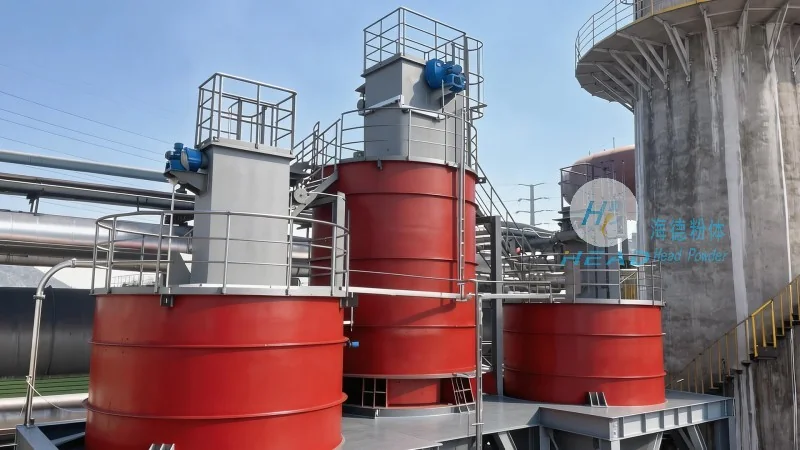
Hydraulic conveying systems use a liquid medium (often water or specialized fluid) to transport ceramic powders as a slurry. This method is common for long-distance, high-volume transport of fine powders, such as in mining or mineral processing.
While offering high capacity and handling of very fine/abrasive particles, hydraulic systems require additional equipment for slurry preparation and separation, increasing complexity and costs. They also generate wastewater needing treatment. HeadPowder, headquartered in Shandong, China, provides hydraulic solutions for large-scale ceramic production, leveraging fluid dynamics expertise to design efficient, cost-effective systems.
3.5 Belt Conveyors
Belt conveyors use a continuous belt moving over rollers or pulleys to transport ceramic powders, suitable for both short and long distances and various powder sizes.
Advantages include high capacity and minimal labor. However, they may not handle very fine powders well and require dust suppression. HeadPowder offers customized belt systems with adjustable speed controls, feeders, and dust attachments. The company considers belt material, tensioning, and idler spacing to optimize performance and extend life.
3.6 Selection Criteria for Ceramic Powder Conveying
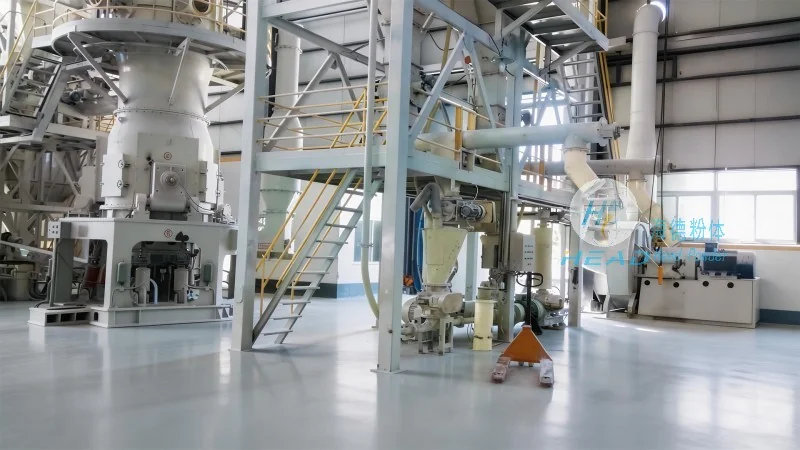
When selecting a conveying system, factors like powder properties (particle size, density, moisture, flowability), transport distance/capacity, dust control needs, and space/budget must be considered. Each method has strengths and limitations, and the optimal choice depends on the production process.
For example, screw conveyors suit short-distance, low-volume, dust-sensitive applications. Pneumatic systems are preferred for long-distance, high-volume transport, especially in cleanrooms. Vibrating conveyors handle sticky/wet powders, while belt conveyors excel in bulk handling. HeadPowder provides comprehensive consulting to help clients evaluate needs and select tailored solutions, enhancing efficiency, reducing costs, and improving product quality.
3.7 Conclusion
In summary, the choice of ceramic powder conveying method is critical to manufacturing success. Each method has unique advantages and limitations, and the best selection depends on the powder's characteristics and production requirements. By understanding these options, manufacturers can optimize their operations. HeadPowder Engineering Co., Ltd., based in Shandong, China, offers specialized conveying solutions—including screw, pneumatic, vibrating, and belt systems—to address ceramic powder handling challenges. The company's commitment to quality, innovation, and customer service ensures clients receive customized systems that boost efficiency and contribute to long-term success.