

Design of Epoxy Resin Pneumatic Conveying Equipment
For industrial applications requiring efficient and reliable transport of epoxy resin materials, the design of pneumatic conveying systems plays a crucial role in optimizing production processes and ensuring material integrity. This article provides an in-depth look at the design considerations, components, and operational principles of epoxy resin pneumatic conveying equipment, tailored to meet the specific demands of modern manufacturing environments.
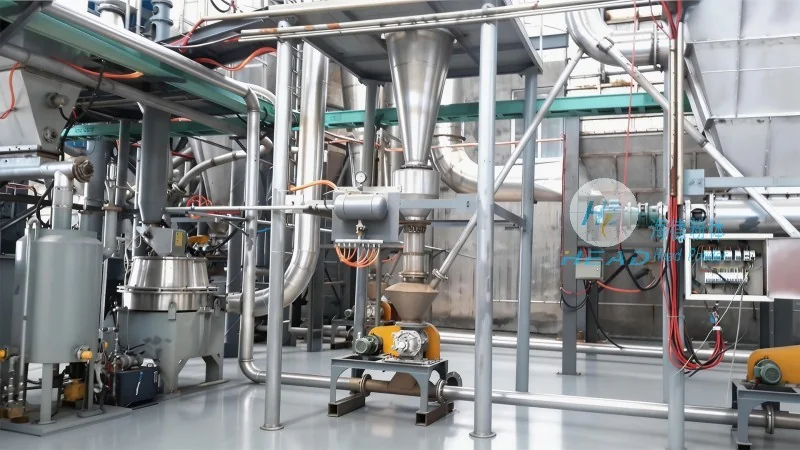
Key Design Elements for Epoxy Resin Pneumatic Conveying Systems
The successful operation of an epoxy resin pneumatic conveying system relies on a combination of carefully selected components and engineering principles. The primary design elements include the material handling pipeline, air supply system, and control mechanisms. The pipeline is typically constructed from materials resistant to epoxy resin corrosion, such as stainless steel or specialized polymers, to prevent degradation and ensure long-term durability. Air supply systems are engineered to deliver consistent air pressure and flow rates, which are critical for maintaining the desired conveying velocity and preventing material blockages. Control mechanisms, including pressure sensors and flow meters, allow for real-time monitoring and adjustment of the system's performance, ensuring optimal operation under varying load conditions.
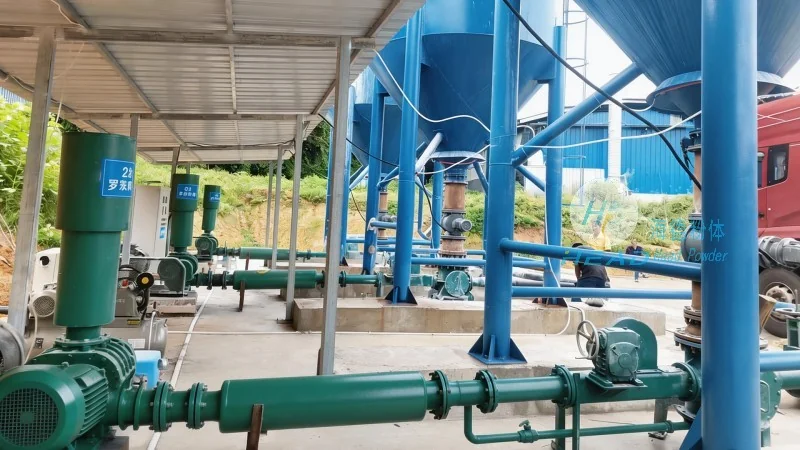
Components and Functionalities of Epoxy Resin Pneumatic Conveying Equipment
At the core of the system are several key components that work in tandem to facilitate the transport of epoxy resin. The feed hopper is designed to store and meter the resin, ensuring a steady flow into the conveying line. The air nozzle or venturi system creates the necessary airflow to entrain the resin particles, converting the material into a suspended state for transport. The pipeline network connects the feed point to the discharge point, with appropriate bends and fittings to maintain the material's suspension and prevent settling. The discharge unit, such as a rotary valve or cyclone separator, separates the resin from the air stream, allowing for controlled release into the next processing stage. Each component is engineered to handle the specific properties of epoxy resin, including its viscosity, particle size, and potential for agglomeration, ensuring efficient and safe operation.
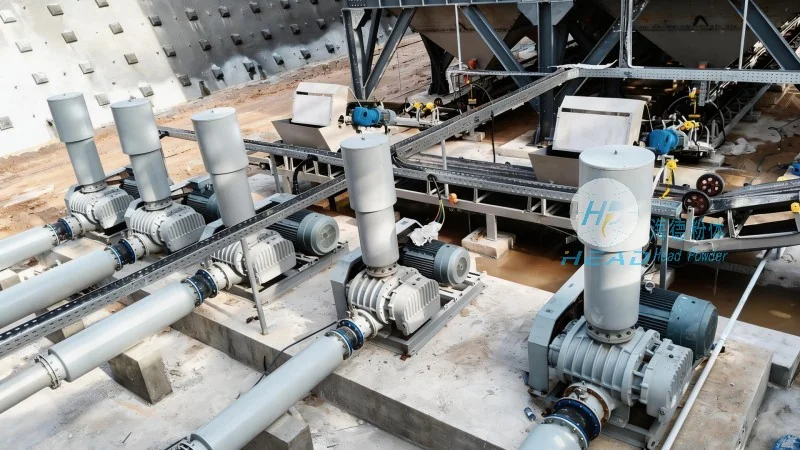
Operational Considerations and Performance Optimization
Operational parameters, such as air pressure, flow rate, and material feed rate, are critical factors in optimizing the performance of epoxy resin pneumatic conveying systems. Proper air pressure is essential to maintain the material's suspension and prevent blockages, while excessive pressure can lead to increased energy consumption and potential equipment wear. Flow rate adjustments are necessary to accommodate varying material loads and ensure consistent throughput. Additionally, the system's design must account for the potential for epoxy resin to stick to pipeline surfaces, requiring regular cleaning or anti-stick coatings to maintain efficiency. Regular maintenance, including air filter replacement and pipeline inspection, is vital to prevent system downtime and ensure long-term reliability.
Company Overview: Shandong HeadPowder Engineering Co., Ltd.
Shandong HeadPowder Engineering Co., Ltd., commonly known as HeadPowder, is a leading manufacturer of specialized pneumatic conveying equipment for the chemical and resin industries. With a focus on innovation and customer-centric solutions, HeadPowder has established itself as a trusted partner for companies requiring reliable and efficient material handling systems. The company's expertise in epoxy resin applications has enabled it to develop tailored solutions that meet the unique challenges of transporting this high-value material. HeadPowder's commitment to quality and technical excellence ensures that their products deliver consistent performance and durability, supporting the operational needs of industrial clients worldwide.
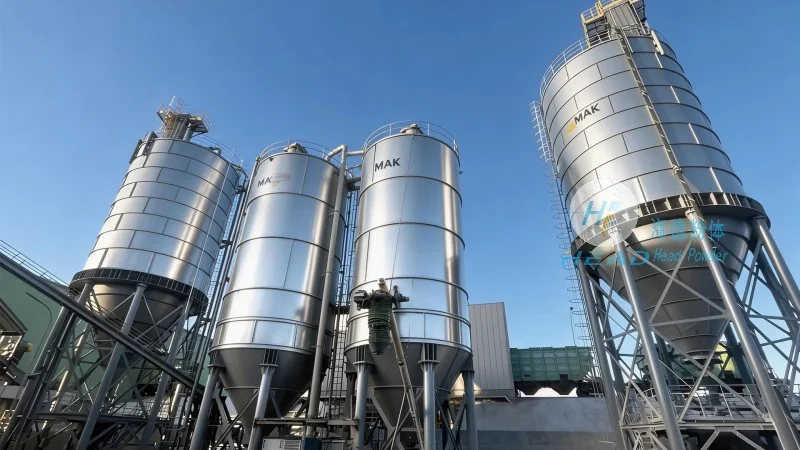
Location and Accessibility
HeadPowder is headquartered in Shandong, China, providing a strategic location for serving both domestic and international markets. The company's facilities are equipped with advanced manufacturing capabilities and research and development resources, enabling continuous improvement and innovation in their product offerings. The location in Shandong positions HeadPowder close to major industrial centers and transportation networks, facilitating efficient delivery and support for clients across the region. This proximity enhances the company's ability to respond quickly to customer needs and provide timely technical assistance, ensuring that clients receive the support they require for optimal system performance.