

Design of a Pneumatic Conveying System for Methylcellulose
HeadPowder, a leading engineering firm based in Shandong, China, specializes in the design and implementation of advanced material handling solutions. The company's expertise lies in creating efficient and reliable pneumatic conveying systems tailored to the unique properties of various powders, including methylcellulose. This article provides a detailed overview of the design considerations, technical specifications, and operational advantages of a specialized pneumatic conveying system developed by HeadPowder for handling methylcellulose.
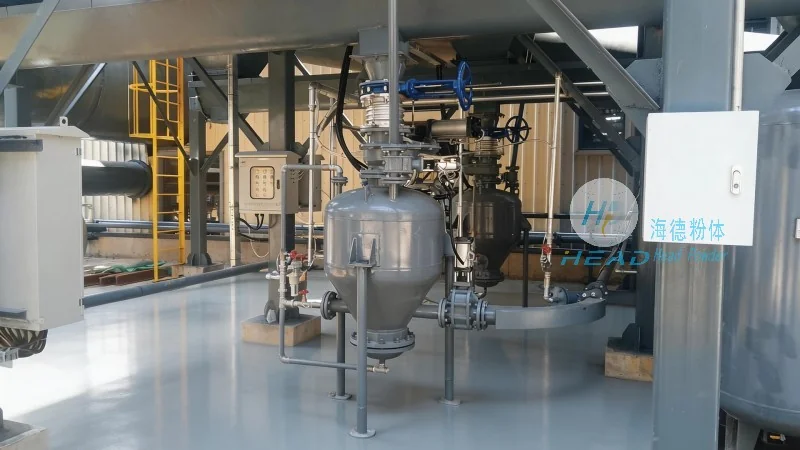
Key Design Principles for Methylcellulose Handling
The design of a pneumatic conveying system for methylcellulose requires careful consideration of several critical factors to ensure optimal performance and product integrity. Methylcellulose, a non-ionic cellulose ether, exhibits properties such as high viscosity, hygroscopic nature, and sensitivity to moisture, which can impact the efficiency of traditional conveying methods. To address these challenges, the system incorporates several key design principles:
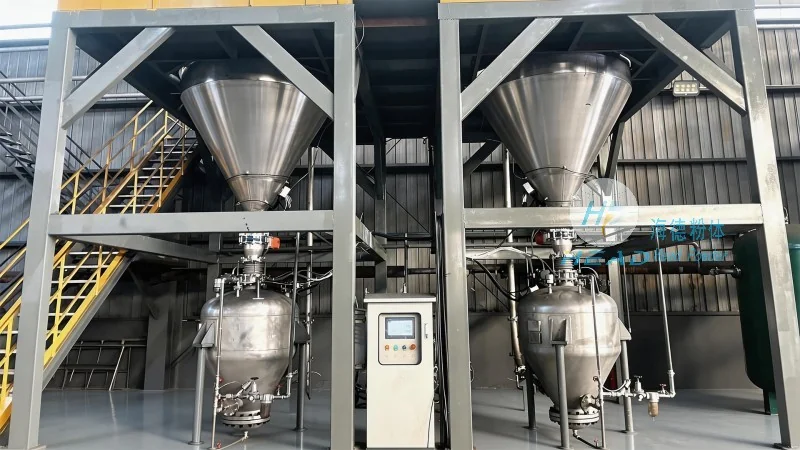
- Material Compatibility: All components of the conveying system, including pipes, valves, and pumps, are constructed from materials that are resistant to the chemical and physical properties of methylcellulose. This prevents degradation or contamination of the material during transport.
- Low Shear Design: The system employs low-shear conveying techniques to minimize the mechanical stress on methylcellulose particles. High shear forces can cause agglomeration or degradation of the powder, affecting its performance in downstream applications.
- Controlled Airflow Management: Precise control of airflow velocity and pressure is essential to maintain the stability of the material stream. The system utilizes advanced control systems to adjust airflow parameters dynamically, ensuring consistent conveying rates and preventing material buildup or blockages.
- Temperature Regulation: Methylcellulose can be sensitive to temperature fluctuations, which may affect its viscosity and flow characteristics. The design incorporates temperature control mechanisms to maintain optimal operating conditions, preserving the material's quality throughout the conveying process.
Technical Specifications of the Pneumatic Conveying System
The pneumatic conveying system for methylcellulose developed by HeadPowder features a comprehensive set of technical specifications tailored to the demands of industrial applications. The system is designed to handle varying capacities, from small-scale laboratory operations to large-scale production lines, with flexibility in throughput and material flow rates.
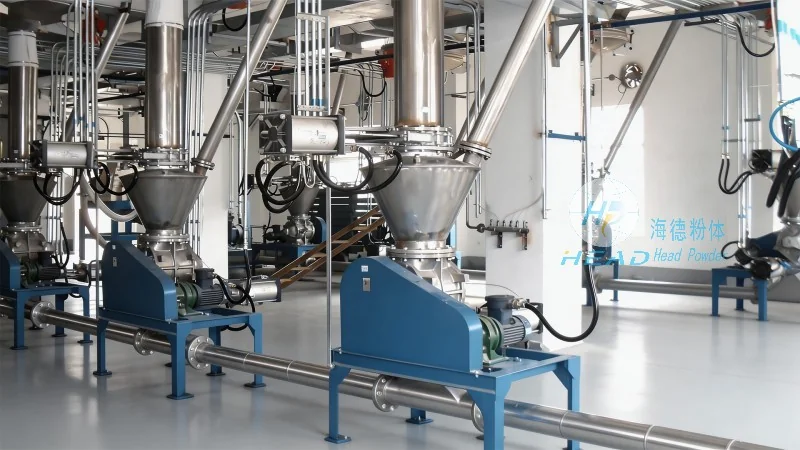
Key technical specifications include:
- Conveying Capacity: The system can handle methylcellulose at capacities ranging from 0.5 to 10 tons per hour, depending on the specific configuration and operational requirements.
- Pressure Range: The conveying system operates within a pressure range of 0.5 to 2 bar, ensuring efficient material transport while minimizing energy consumption.
- Pipe Diameter: The system utilizes stainless steel pipes with diameters ranging from 50 to 200 mm, depending on the required flow rate and material characteristics.
- Control System: An integrated control panel with real-time monitoring and data logging capabilities allows for precise control of airflow, pressure, and material flow, enhancing operational efficiency and troubleshooting capabilities.
- Material Handling Components: The system includes a range of components such as rotary valves, airlocks, and dust collectors, all designed to handle methylcellulose without causing degradation or contamination.
Operational Advantages and Applications
The pneumatic conveying system for methylcellulose offers several operational advantages that make it an ideal solution for industrial applications. These advantages include:
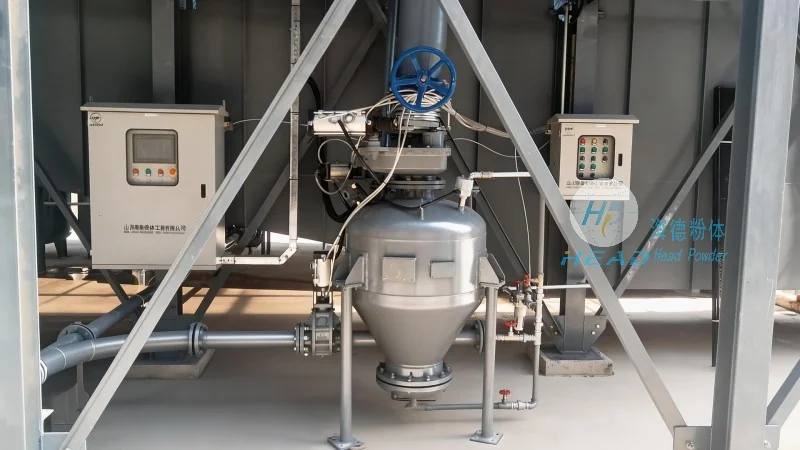
- Efficient Material Transport: The system enables rapid and reliable transport of methylcellulose from storage to processing areas, reducing downtime and improving overall production efficiency.
- Product Integrity Preservation: By minimizing mechanical stress and exposure to moisture, the system ensures that the quality and properties of methylcellulose are preserved throughout the conveying process, maintaining its performance in downstream applications.
- Space Efficiency: The pneumatic conveying system is a compact solution that requires minimal floor space, making it suitable for facilities with limited space or where traditional bulk handling methods are not feasible.
- Flexibility in Layout: The system can be configured to accommodate various plant layouts, allowing for easy integration into existing production lines or new facility designs.
- Reduced Labor and Maintenance: The automated control system reduces the need for manual intervention, minimizing labor costs and maintenance requirements while ensuring consistent performance.
Applications of this system include the pharmaceutical industry, where methylcellulose is used as a binder or filler in tablet formulations, the food industry for use in food additives, and the chemical industry for various industrial applications. The system's ability to handle methylcellulose with precision and care makes it a valuable asset for companies seeking to optimize their material handling processes.