

Common Methods for Conveying White Bean Flakes
White bean flake conveying is a critical process in the food processing industry, particularly for manufacturers dealing with legume products. Efficient and reliable conveying methods ensure that white bean flakes are transported from processing stages to storage or packaging without damage or loss. This article explores the common methods used for white bean flake conveying, highlighting the importance of selecting the right system for specific operational needs.
Key Factors Influencing Conveying Method Selection
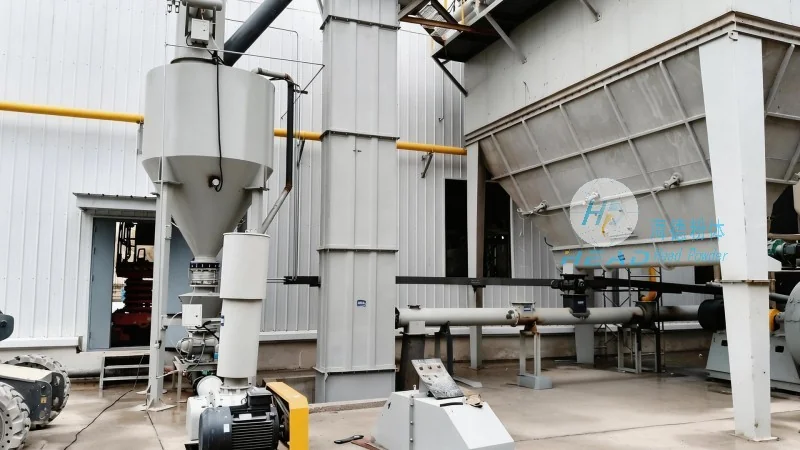
Before delving into specific conveying methods, it's essential to consider several factors that influence the choice of system. These include the volume of white bean flakes to be handled, the distance between processing and storage areas, the required speed of conveyance, and the need for gentle handling to preserve product quality. Additionally, the physical properties of white bean flakes, such as their size, shape, and moisture content, play a significant role in determining the most suitable conveying technology. For instance, delicate flakes may require systems that minimize friction and impact, while high-volume operations might benefit from high-capacity solutions.
Common Conveying Methods for White Bean Flakes
Several methods are commonly employed for the efficient transportation of white bean flakes. One of the most straightforward approaches is gravity conveyors, which utilize the natural slope of the system to move materials. These systems are often cost-effective and require minimal maintenance, making them suitable for shorter distances and lower throughput applications. However, gravity conveyors may not be suitable for steep inclines or when precise control over the speed of movement is needed.
Another widely used method is mechanical conveyors, which employ motors and pulleys or belts to move white bean flakes. These systems offer greater control over speed and direction, making them ideal for longer distances and varying operational conditions. Mechanical conveyors can be designed in various configurations, including belt conveyors, screw conveyors, and chain conveyors, each tailored to specific material characteristics and processing requirements. For example, belt conveyors are commonly used for white bean flakes due to their ability to handle delicate products without causing damage.
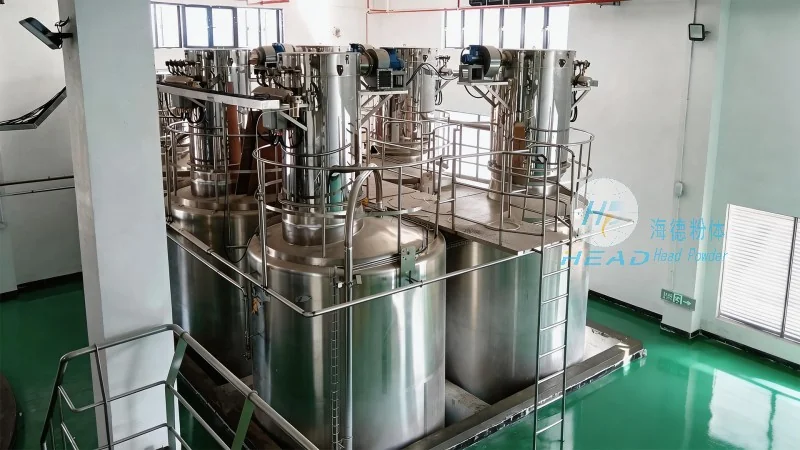
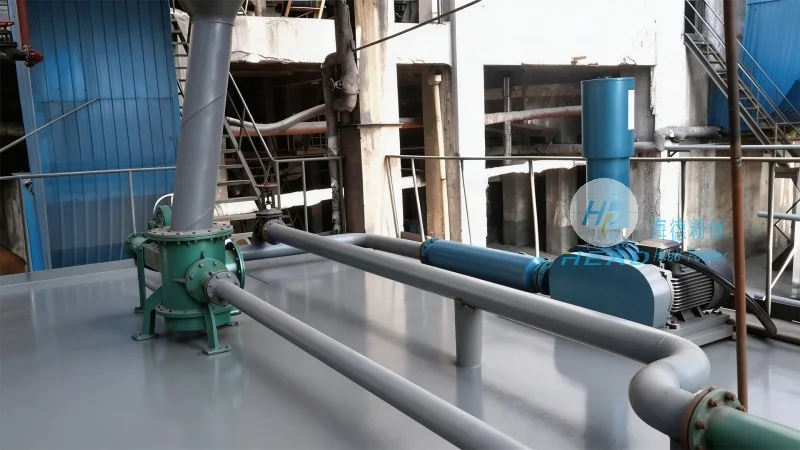
A third common method involves pneumatic conveying systems, which use air pressure to transport white bean flakes through a network of pipes. These systems are particularly effective for handling fine or powdery materials and can transport products over longer distances with minimal loss. However, pneumatic conveying may require more energy and may not be suitable for very large or heavy white bean flakes.
Finally, automated sorting and conveying systems are increasingly being adopted in modern food processing facilities. These systems integrate sensors and sorting mechanisms to ensure that only high-quality white bean flakes are conveyed, while rejecting defective or contaminated products. Such systems enhance efficiency and product quality, making them a valuable addition to any processing line.
Choosing the Right Conveying System for Your Business
When selecting a conveying system for white bean flake handling, it is crucial to evaluate the specific needs of your operation. The choice between gravity, mechanical, or pneumatic systems depends on factors such as throughput, distance, and product sensitivity. For instance, a small-scale operation with low volume and short distances might find gravity conveyors sufficient, while a large-scale facility with high throughput and long distances may require mechanical or pneumatic systems. Additionally, the integration of automated sorting can further enhance efficiency and product quality, especially in industries where consistency is paramount.
It is also important to consider the maintenance and operational costs associated with each system. Mechanical and pneumatic systems may require more frequent maintenance compared to gravity systems, but they offer greater flexibility and control. Ultimately, the goal is to select a conveying method that not only meets the current operational requirements but also supports future growth and scalability.
About HeadPowder: Your Partner in White Bean Flake Conveying Solutions
HeadPowder, or Shandong HeadPowder Engineering Co., Ltd., is a reputable manufacturer specializing in food processing equipment. With a focus on white bean flake conveying systems, HeadPowder provides high-quality, customized solutions tailored to meet the specific needs of food processing facilities. The company's expertise in conveyor technology ensures that products are handled gently and efficiently, preserving the quality of white bean flakes throughout the process. HeadPowder's commitment to quality and customer satisfaction has established it as a leading provider in the industry, serving clients with reliable and durable equipment that enhances operational efficiency and product integrity. HeadPowder is headquartered in Shandong, China, and has built a strong reputation for delivering innovative and effective solutions to the food processing sector.