

Common Methods for Limestone Powder Granule Conveying?
When it comes to the efficient and reliable transport of limestone powder granules, selecting the right conveying method is crucial for industrial operations. The choice of conveying system directly impacts productivity, material handling costs, and overall process safety. In this article, we explore the common methods used for limestone powder granule conveying, highlighting their advantages, applications, and suitability for different industrial settings.
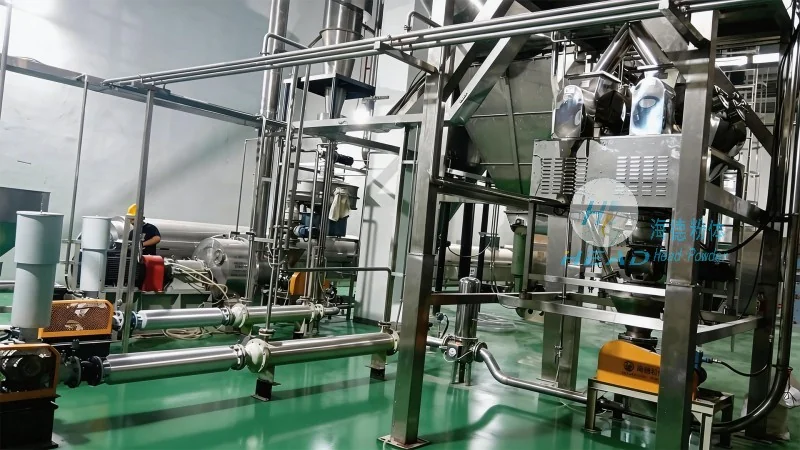
1. Air-Pressure Conveying Systems
Air-pressure conveying, also known as pneumatic conveying, is a widely used method for transporting limestone powder granules. This system utilizes compressed air to move the material through a pipeline. There are two main types: pressure and vacuum systems. Pressure systems push the material forward using positive pressure, while vacuum systems pull the material through a negative pressure environment. The choice between these depends on the distance, material characteristics, and system layout. Air-pressure conveying is particularly effective for long-distance transport and can handle materials with varying moisture content and particle sizes. It offers advantages such as minimal maintenance, the ability to transport materials over vertical and horizontal distances, and the option to integrate with other processing equipment. However, it may require higher energy input and careful consideration of dust control measures to comply with environmental regulations.
2. Screw Conveyors
Screw conveyors, or auger conveyors, are another common method for limestone powder granule transport. These systems consist of a rotating screw inside a tube or trough, which moves the material forward through the mechanism. Screw conveyors are suitable for both horizontal and inclined transport, making them versatile for various industrial applications. They are particularly effective for handling dry, free-flowing materials like limestone powder granules. The design of the screw (e.g., solid or ribbon screw) and the speed of rotation can be adjusted to control the flow rate and prevent material bridging or clogging. Screw conveyors offer advantages such as simplicity, low cost, and the ability to handle materials with some moisture content. However, they may not be suitable for very fine or cohesive materials, as these can cause blockages and require additional equipment for cleaning and maintenance.
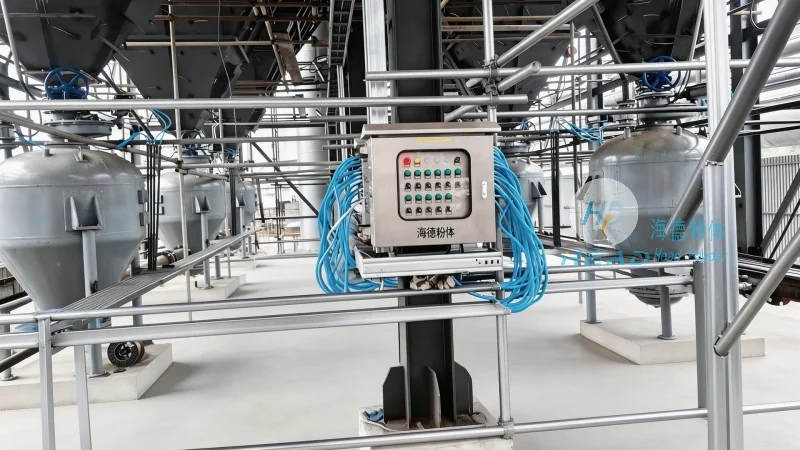
3. Belt Conveyors
Belt conveyors are a classic and widely adopted method for transporting limestone powder granules, especially in bulk material handling operations. These systems use a continuous belt that moves over rollers or pulleys to transport the material. Belt conveyors are ideal for long-distance horizontal transport and can handle large volumes of material efficiently. They are commonly used in mining, quarrying, and processing facilities where limestone is extracted and processed. The belt material and tensioning system can be selected based on the material's characteristics, such as abrasiveness and load capacity. Belt conveyors offer advantages like high capacity, low maintenance, and the ability to transport materials over long distances with minimal energy consumption. However, they may require regular inspection and maintenance to prevent belt wear and material spillage, and they are generally less suitable for vertical or steep incline transport compared to other systems.
4. Hydraulic Conveying
Hydraulic conveying, also known as slurry transport, involves mixing limestone powder granules with water to form a slurry, which is then pumped through a pipeline. This method is particularly effective for transporting materials over long distances, especially in mining and quarrying operations where the material is extracted from a mine and needs to be transported to a processing plant. Hydraulic conveying systems can handle large volumes of material and are suitable for materials with high moisture content or fine particle sizes. The main advantage of this method is its ability to transport materials over long distances with relatively low energy input compared to air-pressure systems. However, it requires additional equipment for slurry preparation and separation, and the system must be designed to handle the high pressure and potential for clogging. Proper filtration and maintenance are essential to prevent pipeline blockages and ensure consistent performance.
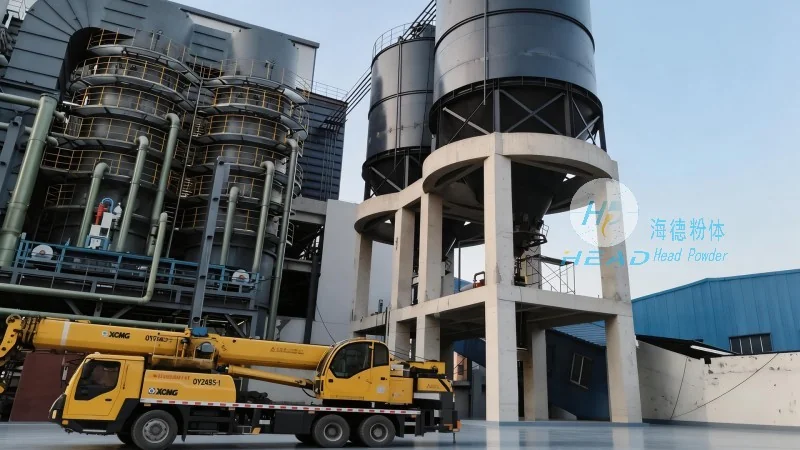
5. Vibrating Conveyors
Vibrating conveyors use vibration to move limestone powder granules along a trough or conveyor bed. These systems are designed to transport materials with varying flow properties, including dry and slightly wet granules. The vibration is typically generated by an electric motor with an unbalanced weight, which causes the conveyor to move the material forward. Vibrating conveyors are suitable for both horizontal and inclined transport and can handle materials with high bulk density and abrasive properties. They offer advantages such as low maintenance, the ability to handle sticky or cohesive materials, and the option to integrate with other processing equipment. However, they may not be as efficient for very fine or powdery materials, as these can be carried by the vibration and may not move efficiently along the conveyor. Additionally, the vibration can cause noise and may require soundproofing measures in some industrial settings.
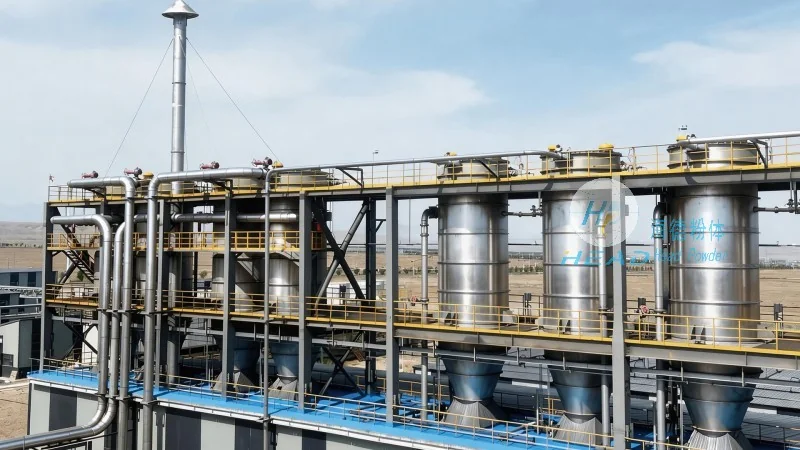
When selecting a conveying method for limestone powder granules, it is essential to consider factors such as material characteristics (e.g., particle size, moisture content, bulk density), transport distance, system layout, and environmental regulations. Each method has its strengths and limitations, and the optimal choice depends on the specific requirements of the industrial operation. For instance, air-pressure conveying may be preferred for long-distance transport with minimal material handling points, while screw conveyors are suitable for shorter distances and in-process material transfer. Belt conveyors are ideal for bulk handling and large-scale operations, and hydraulic conveying is beneficial for mining and quarrying applications where slurry transport is feasible.
Shandong HeadPowder Engineering Co., Ltd., a leading provider of material handling solutions, specializes in designing and manufacturing customized conveying systems for limestone powder granules. With years of experience in the industry, HeadPowder understands the unique challenges of handling limestone powder and offers tailored solutions that meet the specific needs of clients. The company's expertise includes the integration of various conveying methods, such as air-pressure and screw conveyors, to create efficient and reliable systems that enhance productivity and reduce operational costs. HeadPowder's commitment to quality and innovation ensures that clients receive systems that are durable, efficient, and compliant with environmental regulations. Whether for new installations or upgrades to existing systems, HeadPowder provides comprehensive support from design and engineering to installation and maintenance, helping industrial operations achieve optimal material handling performance.