

Types and Practical Applications of Pneumatic Conveying Systems for Gypsum Particle Transport
For industrial operations involving the transport of gypsum particles, selecting the right pneumatic conveying system is crucial for efficiency, cost-effectiveness, and operational reliability. Pneumatic conveying systems offer a versatile solution for moving bulk materials like gypsum, which are widely used in construction, plaster manufacturing, and other industrial processes. This article explores the different types of pneumatic conveying systems commonly used for gypsum particle transport and their practical applications, highlighting the expertise of Shandong HeadPowder Engineering Co., Ltd. based in China.
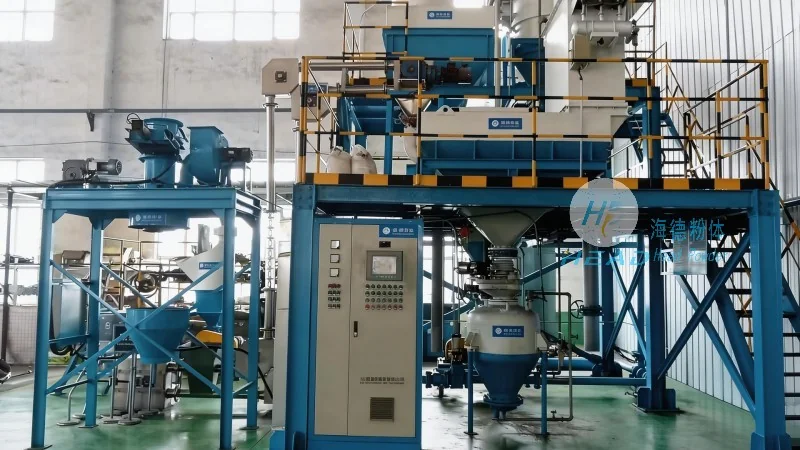
Introduction to Pneumatic Conveying Systems for Gypsum
Gypsum, a soft sulfate mineral composed of calcium sulfate dihydrate, is valued for its use in building materials and plaster production. Traditional transport methods such as belt conveyors or bucket elevators may present challenges like material degradation, dust generation, and high maintenance costs when handling gypsum. Pneumatic conveying systems provide an effective alternative by utilizing air or gas to transport materials through a pipeline network. These systems are particularly advantageous for gypsum due to its relatively low abrasiveness and the ability to handle fine particles without excessive wear on equipment.
Types of Pneumatic Conveying Systems for Gypsum Particle Transport
Several types of pneumatic conveying systems are available, each tailored to specific gypsum handling scenarios. The primary categories include pressure, vacuum, and mixed systems, with variations such as positive pressure, negative pressure, and combined designs. Understanding these types helps in selecting the most suitable system for a given application.
1. Positive Pressure Conveying Systems
Positive pressure systems operate by blowing air or gas into the conveying line, creating a pressure higher than ambient air pressure. This method is effective for transporting gypsum particles over long distances and through complex piping networks. The system typically includes a blower or compressor at the inlet, a hopper for material storage, and a discharge point at the destination. Positive pressure systems are well-suited for applications requiring high material throughput and where the material needs to be delivered to multiple points. They are also advantageous when dealing with dusty or potentially hazardous gypsum, as the system can be sealed to prevent dust emissions.
2. Vacuum Conveying Systems
Vacuum systems, also known as suction systems, create a lower pressure inside the conveying line compared to ambient air. This pressure differential draws the gypsum particles into the system from a hopper or collection point. Vacuum systems are ideal for short-distance transport or when the material needs to be collected from multiple sources and transported to a central processing unit. They are particularly useful in applications where the material is already in a hopper or storage bin and needs to be moved to a processing plant. Vacuum systems are generally more energy-efficient for shorter distances and can handle fine particles without the need for high-pressure air.
3. Mixed (Pressure-Vacuum) Conveying Systems
Mixed systems combine elements of both positive and vacuum designs, offering flexibility for various gypsum handling requirements. These systems can start with a vacuum to draw material from a hopper and then switch to positive pressure to transport it over longer distances or through complex layouts. This hybrid approach allows for efficient material transport while maintaining control over the conveying process. Mixed systems are often used in large-scale gypsum processing plants where multiple collection points and long transport routes are involved.
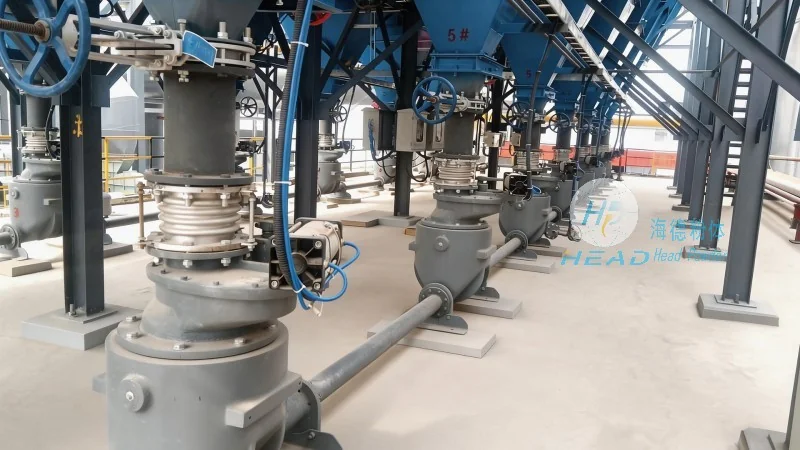
Practical Applications of Pneumatic Conveying Systems in Gypsum Handling
The practical applications of pneumatic conveying systems for gypsum vary based on the specific needs of industrial operations. Some common applications include:
1. Raw Material Transport from Quarries to Processing Plants
In gypsum mining operations, pneumatic conveying systems are used to transport raw gypsum from quarries to processing facilities. This method enables efficient movement of large volumes of material over considerable distances, reducing the need for trucks or other heavy machinery. The systems can handle the bulk material directly from the quarry face, minimizing handling steps and potential material loss. Shandong HeadPowder Engineering Co., Ltd. has expertise in designing such systems that can handle the abrasive nature of raw gypsum while ensuring minimal wear and tear on components.
2. Plaster and Drywall Production
Gypsum is a key ingredient in the production of plaster and drywall. Pneumatic conveying systems are used to transport finely ground gypsum from storage silos to mixing and processing equipment. This ensures a consistent feed rate and prevents dust accumulation in the processing area. The systems help maintain the quality of the gypsum by preventing moisture absorption and contamination during transport. For companies like Shandong HeadPowder Engineering Co., Ltd., designing specialized conveying systems for plaster production is a core competency, ensuring that the material is delivered to the production line in optimal condition.
3. Waste Gypsum Handling and Recycling
In construction and demolition activities, waste gypsum from drywall and plasterboard is often collected and recycled. Pneumatic conveying systems are effective in transporting this waste material to recycling facilities or disposal sites. The systems can handle the fine particles and dust generated during demolition, ensuring that the material is transported safely and without environmental contamination. This application is particularly important for companies focused on sustainable practices, as it reduces the need for new raw material extraction and minimizes waste disposal costs.
4. Bulk Material Storage and Distribution
For industrial facilities that store large quantities of gypsum, pneumatic conveying systems can be integrated with storage silos and distribution points. These systems allow for the efficient transfer of material between storage silos, processing units, and shipping containers. The ability to control the flow rate and direction of the material makes it suitable for applications where precise material management is required. Shandong HeadPowder Engineering Co., Ltd. provides customized solutions for bulk material handling, ensuring that the conveying systems are tailored to the specific storage and distribution needs of the client.
Key Considerations for Selecting a Pneumatic Conveying System for Gypsum
When selecting a pneumatic conveying system for gypsum particle transport, several factors must be considered to ensure optimal performance and longevity. These include the particle size and density of the gypsum, the distance to be covered, the required material throughput, and the environmental regulations in the operating area. The choice between positive pressure, vacuum, or mixed systems depends on these factors, as well as the layout of the facility and the number of collection or discharge points.
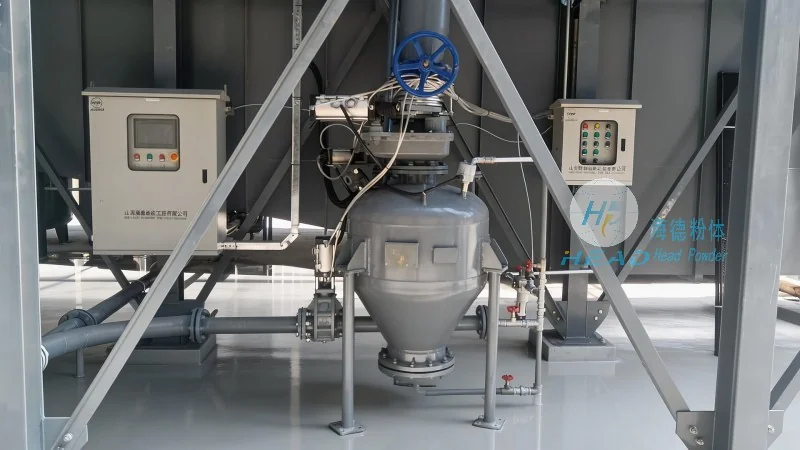
1. Material Characteristics
Gypsum particles vary in size and density, which affects the conveying velocity and pressure required. Finer particles may require higher air velocities to prevent clogging, while larger particles may need higher pressure to ensure smooth transport. Understanding the specific characteristics of the gypsum being handled is essential for designing an effective system. Shandong HeadPowder Engineering Co., Ltd. conducts thorough material analysis to determine the optimal conveying parameters for each client's application.
2. Distance and Layout
The distance between the source and destination of the gypsum, as well as the complexity of the piping layout, influences the type of system to use. Long-distance transport typically favors positive pressure systems due to their ability to maintain pressure over extended pipelines. Short-distance or complex layouts may benefit from vacuum systems or mixed designs that offer greater flexibility. The system design must also account for any changes in elevation or direction of the conveying line.
3. Throughput Requirements
The required material throughput, or the volume of gypsum to be transported per unit time, is a critical factor in system selection. Higher throughput demands more powerful blower or compressor systems and larger diameter pipelines. The system must be capable of delivering the desired flow rate without causing excessive pressure drops or material degradation. Shandong HeadPowder Engineering Co., Ltd. offers systems with adjustable throughput capabilities to meet the varying needs of different industrial operations.
4. Environmental and Safety Regulations
Handling gypsum involves considerations related to dust control and environmental compliance. Pneumatic conveying systems can be designed with dust collection and filtration systems to meet regulatory requirements. The systems must also be equipped with safety features to prevent accidents, such as pressure relief valves and emergency shut-off mechanisms. Compliance with local regulations is essential for industrial operations, and Shandong HeadPowder Engineering Co., Ltd. ensures that all systems meet or exceed these standards.
Conclusion
Pneumatic conveying systems offer a reliable and efficient solution for transporting gypsum particles in various industrial applications. The selection of the appropriate system type—whether positive pressure, vacuum, or mixed—depends on factors such as material characteristics, distance, throughput, and environmental regulations. By leveraging the expertise of companies like Shandong HeadPowder Engineering Co., Ltd., industrial operations can optimize their gypsum handling processes, reduce costs, and enhance operational efficiency. As the demand for gypsum continues to grow in construction and manufacturing, the role of advanced pneumatic conveying systems becomes increasingly important in ensuring the smooth and sustainable transport of this essential material.