

[Pneumatic Conveying in the Bulk Handling of Tungsten Carbide]
For industrial applications involving the bulk handling of tungsten carbide, the choice of material transport system is critical to efficiency, safety, and operational reliability. Among the various methods available, pneumatic conveying stands out as a versatile and effective solution, particularly when dealing with the abrasive and high-value nature of tungsten carbide powders and components. This article explores the application of pneumatic conveying systems in the context of carbonized tungsten carbide bulk material transport, highlighting the technical considerations, benefits, and practical implementation strategies relevant to such operations.
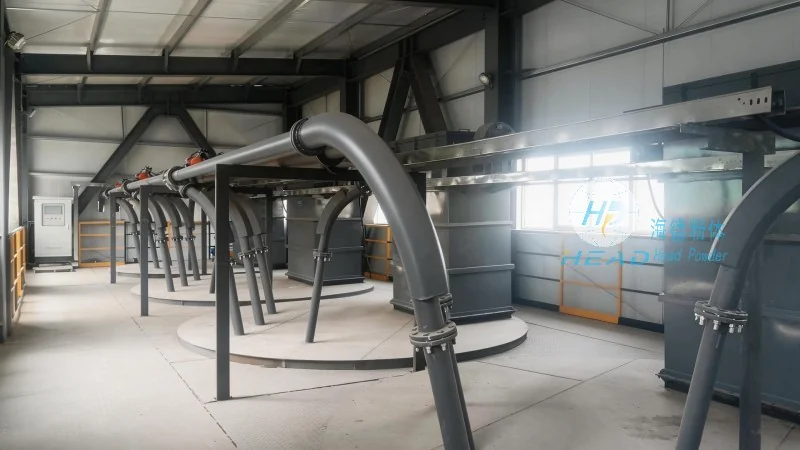
Understanding Pneumatic Conveying for Tungsten Carbide Handling
Pneumatic conveying, also known as air conveying, utilizes a pressurized or vacuum system to move bulk materials through a pipeline using air or other gases. In the case of tungsten carbide, which is known for its hardness, wear resistance, and high melting point, conventional mechanical conveying methods may face challenges such as material degradation, equipment wear, and increased maintenance costs. Pneumatic systems offer a non-contact method of transport, minimizing direct contact between the material and the conveying equipment, thereby reducing wear and preserving the integrity of the tungsten carbide particles. This is particularly important for applications where the material's physical properties, such as particle size distribution and surface finish, must be maintained for downstream processes like sintering, machining, or coating.
Key Benefits of Pneumatic Conveying in Tungsten Carbide Operations
Implementing pneumatic conveying for tungsten carbide bulk handling offers several distinct advantages that can enhance overall operational performance. Firstly, it provides a dust-free and enclosed transport environment, which is essential for maintaining a clean and safe working environment, especially in facilities where tungsten carbide dust can pose health risks or interfere with precision manufacturing processes. Secondly, pneumatic systems allow for precise control over material flow rates and pressure, enabling accurate dosing and feeding into processing equipment, which is critical for consistent product quality. Thirdly, the enclosed nature of the system reduces material loss and contamination, ensuring that the tungsten carbide material remains pure and free from foreign particles that could affect its performance in end-use applications. Additionally, pneumatic conveying can be integrated with other processing steps, such as drying or mixing, to create a seamless material handling workflow that minimizes downtime and improves overall productivity.
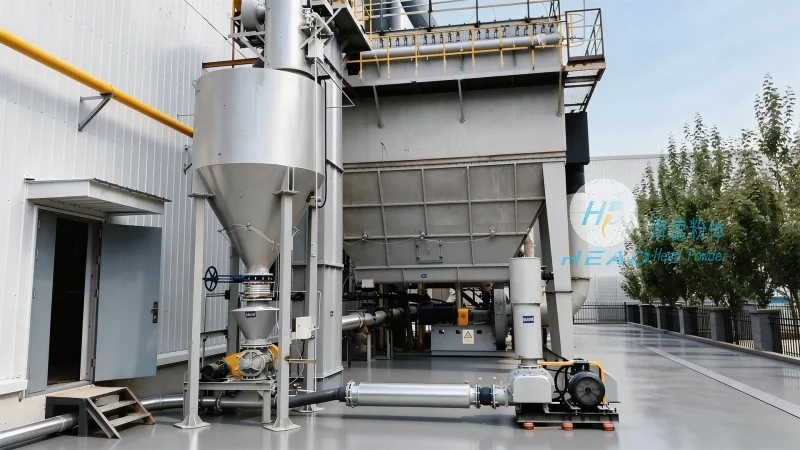
Technical Considerations for Tungsten Carbide Pneumatic Conveying Systems
When designing and selecting a pneumatic conveying system for tungsten carbide, several technical factors must be carefully considered to ensure optimal performance and longevity. The first consideration is the material's particle size and density, as these characteristics influence the required air velocity and pressure to achieve efficient transport. Tungsten carbide powders typically have a wide range of particle sizes, from fine microparticles to larger granules, which may require a combination of conveying methods, such as dilute phase and dense phase systems, to handle different particle fractions effectively. The system's material of construction is another critical factor, as tungsten carbide particles are abrasive and can cause significant wear on metal components. Therefore, components such as pipelines, valves, and pumps must be made from corrosion-resistant and wear-resistant materials, such as stainless steel, high-chrome alloys, or specialized plastic composites, to withstand the abrasive nature of the material and extend the system's service life. Additionally, the system's pressure and vacuum capabilities must be matched to the specific handling requirements, with higher pressures used for longer or more complex conveying routes and lower pressures or vacuum systems employed for shorter distances or when gentle handling is required to prevent particle breakage.
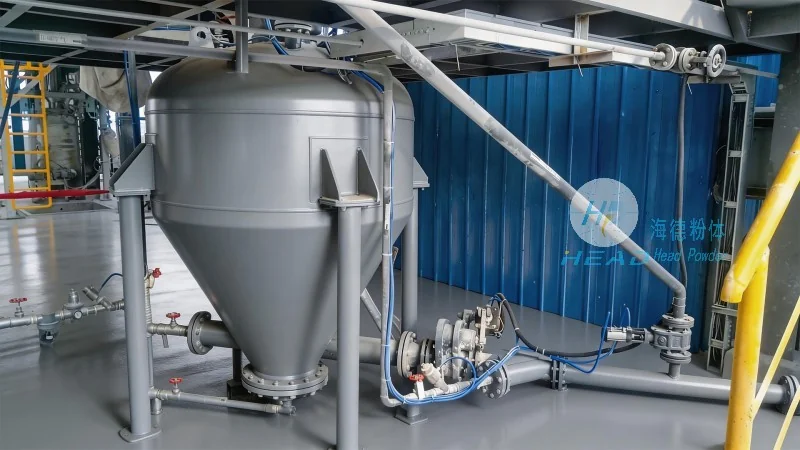
Implementation and Integration with Processing Equipment
The successful application of pneumatic conveying in tungsten carbide operations often depends on seamless integration with downstream processing equipment. For example, in powder metallurgy applications, the conveyed tungsten carbide powder may be fed directly into a sintering furnace or a mixing machine, where the precise control of material flow is essential for achieving uniform sintering or consistent composite formulations. In such cases, the pneumatic system must be equipped with flow control devices, such as rotary valves or metering pumps, to regulate the material feed rate and ensure consistent material delivery. Additionally, the system may need to be integrated with dust collection and filtration systems to capture any airborne particles and maintain a clean environment. Proper maintenance of the pneumatic conveying system is also crucial for long-term performance, as regular inspection of components, such as filters, valves, and pipelines, can prevent system failures and ensure that the material is conveyed efficiently and without contamination.
Case Study: HeadPowder's Pneumatic Conveying Solutions for Tungsten Carbide
Shandong HeadPowder Engineering Co., Ltd., a leading provider of bulk material handling solutions, specializes in designing and manufacturing pneumatic conveying systems tailored to the unique needs of tungsten carbide manufacturers. With years of experience in the industry, HeadPowder has developed a range of customized solutions that address the specific challenges of handling tungsten carbide powders and components. For instance, their systems are engineered to handle the abrasive nature of tungsten carbide, using wear-resistant materials and advanced design features to minimize equipment wear and extend service life. HeadPowder's expertise also extends to the integration of pneumatic conveying with other processing steps, such as drying and mixing, to create comprehensive material handling workflows that improve efficiency and reduce downtime. By leveraging their technical knowledge and manufacturing capabilities, HeadPowder helps tungsten carbide manufacturers optimize their operations, enhance product quality, and maintain a competitive edge in the market.