

Common Methods for Conveying Polyethylene Powder
When it comes to the efficient handling and transportation of polyethylene powder, selecting the right conveying method is crucial for maintaining product quality and operational efficiency. As a leading provider in the industry, Shandong HeadPowder Engineering Co., Ltd. specializes in offering tailored solutions for various material handling challenges. Based in Shandong, China, the company has built a strong reputation for its expertise in designing and implementing effective conveying systems for polyethylene powder and other similar materials.
Understanding the Importance of Proper Conveying for Polyethylene Powder
Polyethylene powder, widely used in manufacturing processes such as plastic molding, coating, and compounding, requires careful handling to prevent agglomeration, contamination, and loss of material. Traditional methods of manual handling or basic mechanical systems often fall short in meeting the demands of modern production lines. Therefore, adopting advanced conveying technologies is essential to ensure consistent flow, minimize downtime, and enhance overall productivity. The choice of conveying method depends on several factors, including the material's properties, production scale, environmental considerations, and the specific requirements of the end application.
Common Conveying Methods for Polyethylene Powder
There are several common methods employed for the transportation of polyethylene powder, each with its own advantages and suitable applications. One of the most widely used methods is the screw conveyor, also known as a auger conveyor. This equipment consists of a rotating helical screw inside a cylindrical tube, which moves the material forward through the system. Screw conveyors are particularly effective for vertical or inclined transport, as they can handle both dry and slightly wet powders without the need for additional air or power sources. They are also suitable for applications where the material needs to be elevated or moved over long distances horizontally. The design of the screw, including its pitch and diameter, can be customized to match the specific characteristics of the polyethylene powder, ensuring optimal performance and minimal wear.
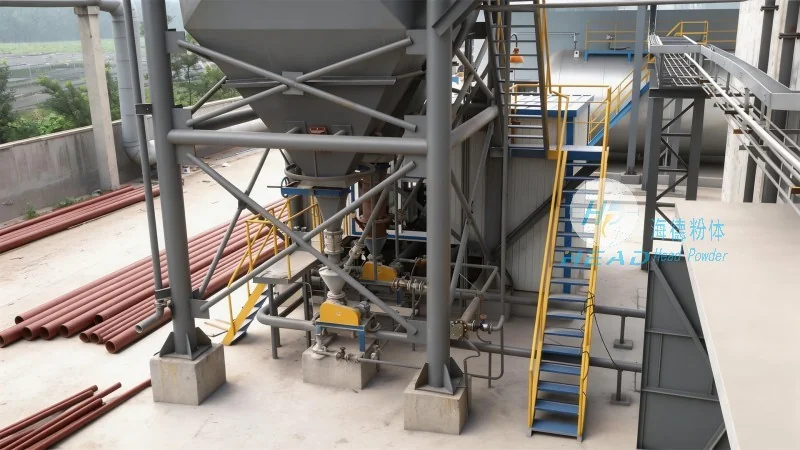
Another popular method is the pneumatic conveying system, which utilizes air or other gases to transport the powder through a pipeline. This method is highly effective for handling fine powders and can be divided into two main types: pressure and vacuum systems. Pressure systems use compressed air to push the material through the pipeline, while vacuum systems use a vacuum to draw the material from the source. Pneumatic conveying offers advantages such as the ability to transport materials over long distances, the integration of multiple handling points, and the potential for dust collection and filtration. However, it requires careful control of air pressure and flow rates to prevent material degradation or blockages. The selection of the appropriate pneumatic conveying system depends on factors like the material's density, flowability, and the distance to be covered.
A third common method is the belt conveyor, which uses a continuous belt to transport the polyethylene powder. This system is particularly suitable for horizontal or slightly inclined transport over medium to long distances. Belt conveyors are known for their high capacity and ability to handle a wide range of materials, including polyethylene powder. They can be equipped with various accessories such as feeders, dividers, and discharge chutes to enhance their functionality. The design of the belt, including its material and thickness, is chosen based on the characteristics of the polyethylene powder to ensure durability and prevent material spillage. Belt conveyors are often used in combination with other equipment, such as hoppers and storage silos, to form a complete material handling system.
Factors to Consider When Choosing a Conveying Method for Polyethylene Powder
When selecting a conveying method for polyethylene powder, several key factors must be considered to ensure the optimal performance of the system. First, the physical properties of the powder, such as its particle size, density, and flowability, play a significant role. For example, fine powders may require more careful handling to prevent caking or blockages, which might make pneumatic conveying more suitable. Second, the production scale and throughput requirements are critical. Large-scale operations may benefit from high-capacity systems like belt conveyors or multiple screw conveyors, while smaller operations might opt for more compact solutions. Third, environmental considerations, including dust control and noise reduction, are important, especially in industrial settings. The choice of materials for the conveyor components, such as stainless steel or food-grade plastics, can also impact the suitability of the system for specific applications. Finally, the cost of installation, maintenance, and operation should be evaluated to ensure the chosen method aligns with the overall budget and operational goals.
Customized Solutions from Shandong HeadPowder Engineering Co., Ltd.
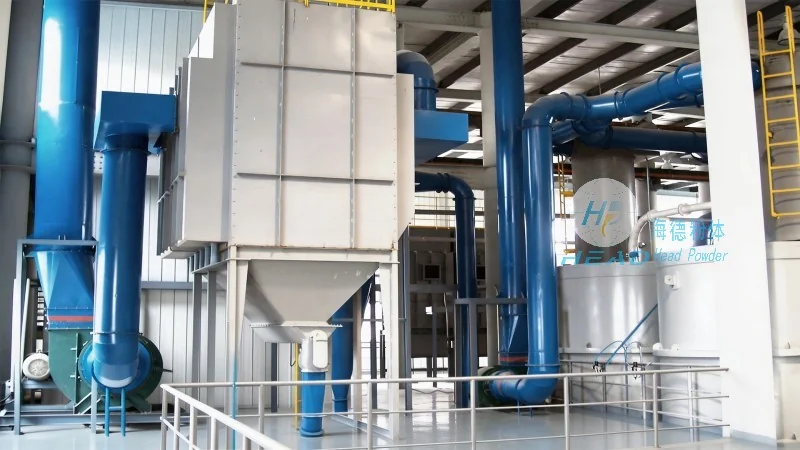
Shandong HeadPowder Engineering Co., Ltd. understands that no two production environments are identical, and therefore, offers customized conveying solutions tailored to the specific needs of each client. The company's team of engineers and technicians works closely with clients to assess their material handling requirements, evaluate the pros and cons of different conveying methods, and recommend the most suitable system. Whether the client needs a standard screw conveyor for vertical transport or a complex pneumatic system for long-distance handling, the company provides comprehensive design, manufacturing, and installation services. The company's commitment to quality and customer satisfaction is reflected in its use of high-quality materials, rigorous testing procedures, and after-sales support. By partnering with Shandong HeadPowder Engineering Co., Ltd., businesses can ensure that their polyethylene powder conveying systems are efficient, reliable, and meet all regulatory and operational standards.
Conclusion
In conclusion, the proper selection of a conveying method for polyethylene powder is essential for maintaining product quality, enhancing operational efficiency, and ensuring the smooth operation of production lines. With a range of options available, including screw conveyors, pneumatic systems, and belt conveyors, businesses can choose the most suitable method based on their specific requirements. Shandong HeadPowder Engineering Co., Ltd., based in Shandong, China, is a trusted partner in providing customized conveying solutions that meet the needs of modern industrial applications. By leveraging their expertise and advanced technology, businesses can optimize their material handling processes and achieve better results in their production operations.