

Types, Features, and Application Ranges of Carbon Powder Pneumatic Conveying
Carbon powder pneumatic conveying is a critical technology in industrial material handling, particularly for the efficient and safe transport of carbon powders. This method involves using air or other gases to move powder materials through a pipeline system, offering several advantages over traditional mechanical conveying methods.
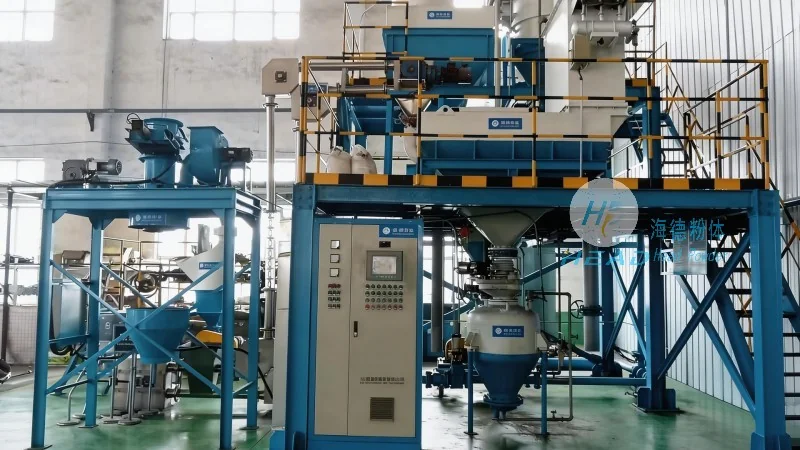
Types of Carbon Powder Pneumatic Conveying Systems
There are primarily two main categories of carbon powder pneumatic conveying systems: dilute-phase and dense-phase. Dilute-phase systems operate by suspending the carbon powder in a high-velocity air stream, typically at velocities above 20 m/s. This method is suitable for short to medium-distance transport and is often used for materials that are non-abrasive and have a relatively low bulk density. Dense-phase systems, on the other hand, use lower air velocities and higher pressure to create a more concentrated powder flow, which is ideal for longer distances and for handling materials that are more abrasive or have a higher bulk density. The choice between these systems depends on the specific characteristics of the carbon powder, the required transport distance, and the operational constraints of the application.
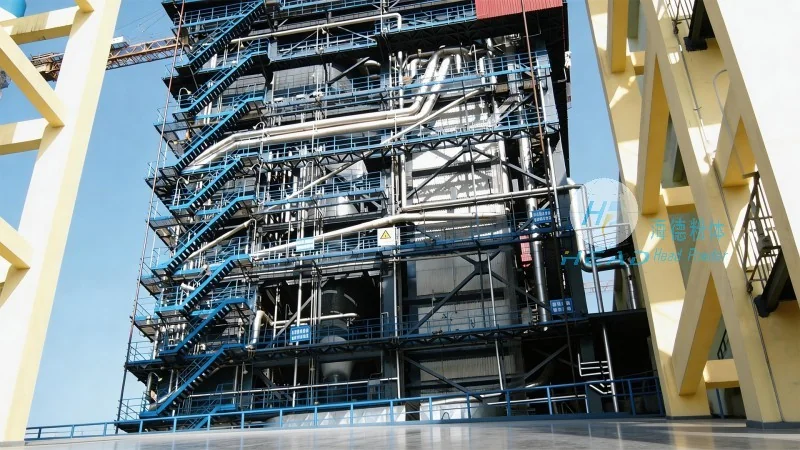
Key Features and Advantages of Carbon Powder Pneumatic Conveying
One of the most significant features of carbon powder pneumatic conveying is its ability to handle fine powders without clogging or degradation. The air flow helps to prevent agglomeration, ensuring that the carbon powder remains in a free-flowing state throughout the conveying process. Additionally, this method is highly efficient in terms of energy consumption compared to other conveying systems, as it minimizes friction and reduces the need for mechanical components that can wear out over time. Environmental benefits are also a key feature, as the system can be designed to be dust-tight, reducing the risk of airborne particle emissions and improving workplace safety. The flexibility of pneumatic conveying systems allows for easy integration with existing production lines, and they can be adapted to handle varying flow rates and powder characteristics without significant modifications.
Application Ranges and Industries
Carbon powder pneumatic conveying is widely used across various industries due to its versatility and effectiveness. In the chemical industry, it is commonly employed for transporting carbon powders used in the production of pigments, coatings, and other chemical products. The metallurgical industry also utilizes this technology for conveying carbon materials used in the manufacturing of steel and other metals. The pharmaceutical industry benefits from the hygienic and dust-free nature of pneumatic conveying, which is essential for handling carbon powders used in drug formulations. Additionally, in the food processing industry, where carbon powders may be used as flavorings or colorants, the system's ability to maintain product purity and prevent contamination is critical. Other applications include the use of carbon powders in the production of batteries, where precise and clean transport is necessary to ensure product quality.
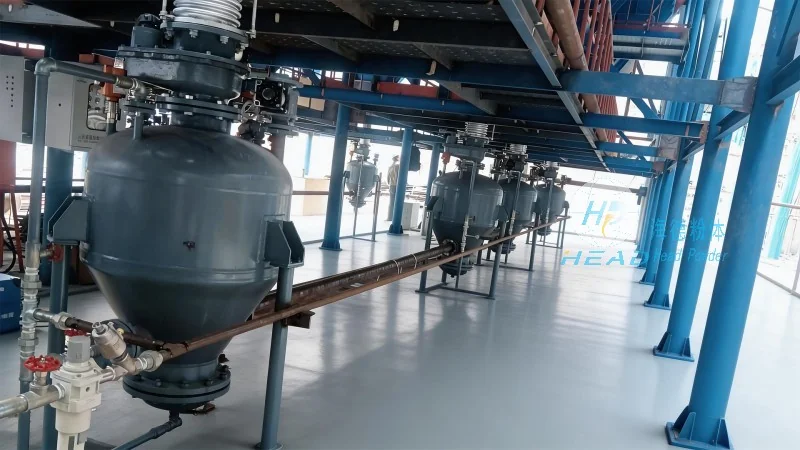
Company Profile: Shandong HeadPowder Engineering Co., Ltd.
Shandong HeadPowder Engineering Co., Ltd., operating under the brand name headpowder, is a leading provider of specialized engineering solutions for carbon powder handling. With a focus on innovation and customer-centric design, the company has developed advanced pneumatic conveying systems tailored to the unique needs of the carbon powder industry. HeadPowder's expertise lies in designing systems that optimize efficiency, reduce operational costs, and enhance safety. The company's facilities are located in Shandong, China, where it leverages local resources and expertise to deliver high-quality products and services to clients worldwide. By combining technical knowledge with practical experience, HeadPowder ensures that its pneumatic conveying solutions meet the highest standards of performance and reliability.