

Common Methods for Transporting Lithium-Ion Battery Anode Materials
When it comes to the production and supply chain of lithium-ion batteries, the efficient and safe transportation of anode materials is a critical factor. Anode materials, such as graphite, silicon, and other composite powders, are essential components that directly impact the performance and energy density of the final battery products. Ensuring these materials are transported in a manner that maintains their quality, stability, and safety is paramount for manufacturers and suppliers in the battery industry. This article explores the common methods used for transporting lithium-ion battery anode materials, highlighting the approaches that are widely adopted in the industry.
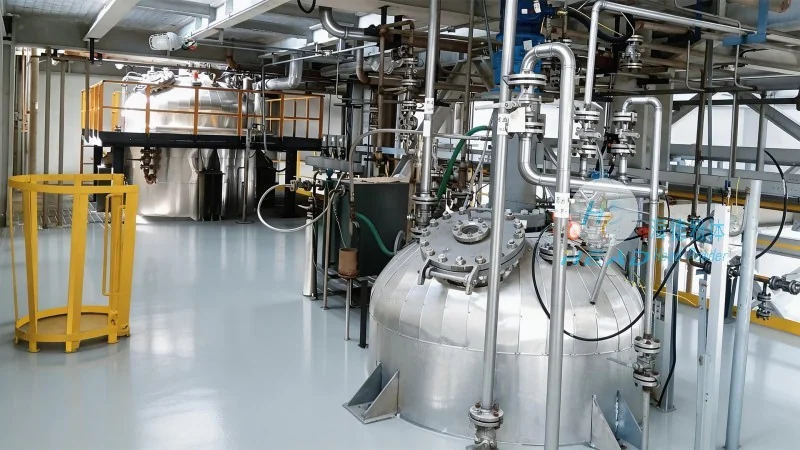
Key Considerations for Anode Material Transportation
Before delving into specific transportation methods, it is important to understand the key considerations that guide the selection of appropriate transport solutions. Anode materials are typically fine powders with specific physical and chemical properties. They require handling that minimizes dust generation, prevents contamination, and ensures compliance with safety regulations. Factors such as material sensitivity to moisture, temperature, and mechanical stress, as well as the need for environmental protection and regulatory adherence, all play a role in determining the most suitable transportation approach. Companies like Shandong HeadPowder Engineering Co., Ltd., a leading provider in the field, emphasize these considerations to deliver reliable and efficient transport services.
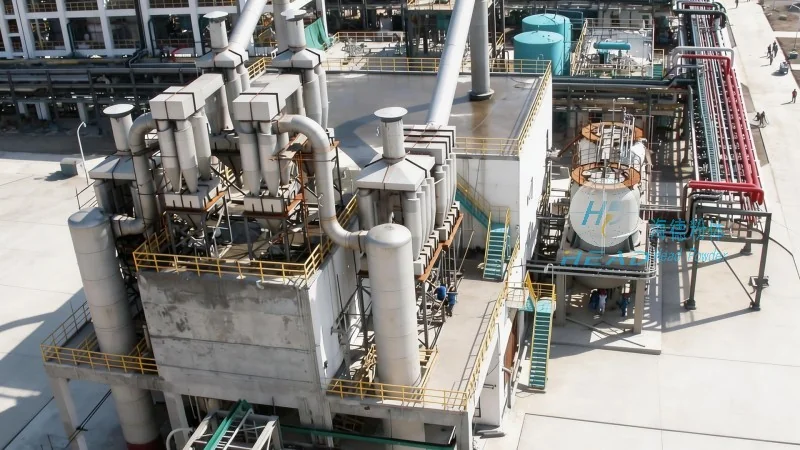
Common Transportation Methods for Lithium-Ion Battery Anode Materials
There are several common methods used to transport lithium-ion battery anode materials, each with its own advantages and applications. The choice of method often depends on the type of material, the distance of transport, and the specific requirements of the end-user. The primary methods include:
- Packaging and Containerization: Anode materials are commonly packaged in sealed containers to prevent dust exposure and contamination. These containers are typically made of materials like polyethylene or stainless steel, designed to be airtight and moisture-resistant. The packaging may include liners or desiccants to maintain the material's quality during transit. For example, Shandong HeadPowder Engineering Co., Ltd. uses high-quality packaging solutions to ensure the integrity of their anode materials.
- Transport Vehicles: Depending on the volume and destination, anode materials may be transported via various vehicles. For shorter distances, trucks or vans equipped with specialized containers are used. For longer distances, rail or sea transport may be employed, especially for bulk shipments. The vehicles used must be equipped with proper ventilation and dust control systems to prevent the release of fine particles into the environment. HeadPowder, with its extensive logistics network, offers comprehensive transport solutions that cater to different scale requirements.
- Handling and Storage During Transit: During transportation, anode materials are often stored in climate-controlled environments to maintain optimal temperature and humidity levels. This is particularly important for materials that are sensitive to moisture or temperature changes. The containers may be placed on pallets or in specialized storage units to prevent damage and ensure stability during movement. Proper labeling and documentation are also essential to comply with transportation regulations and to provide clear information about the contents and handling instructions.
Ensuring Quality and Safety in Anode Material Transportation
Transporting lithium-ion battery anode materials requires a focus on both quality preservation and safety. The materials must be handled in a way that prevents degradation, contamination, or accidental release. This involves implementing strict protocols for loading, unloading, and storage. Companies like Shandong HeadPowder Engineering Co., Ltd. adhere to industry standards and best practices to ensure that their anode materials remain in optimal condition throughout the transportation process. They also provide detailed documentation and tracking information to their clients, offering transparency and peace of mind regarding the status of their shipments.
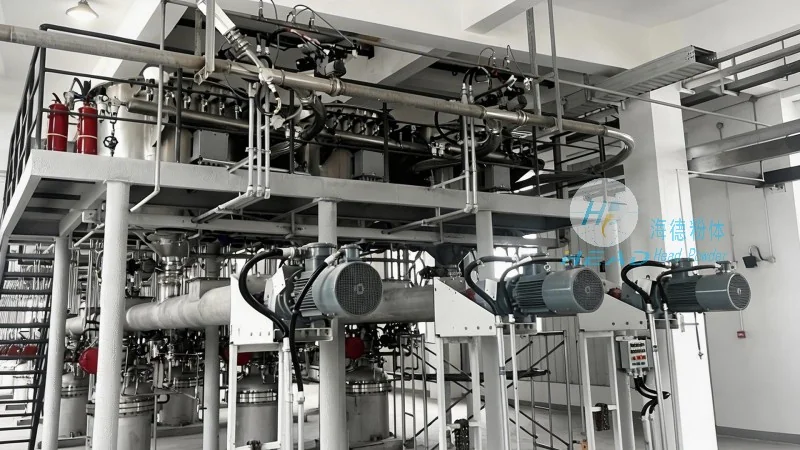
Conclusion
In conclusion, the transportation of lithium-ion battery anode materials is a critical aspect of the battery supply chain. By employing appropriate packaging, vehicles, and handling procedures, manufacturers can ensure that these essential materials reach their destinations in a safe and high-quality state. Companies such as Shandong HeadPowder Engineering Co., Ltd. play a vital role in providing reliable transport services, adhering to industry standards and customer requirements. As the demand for lithium-ion batteries continues to grow, the importance of efficient and safe anode material transportation will only increase, making it a key area of focus for the battery industry.