

Technical Specifications and Conveying System Process of Gypsum Plaster
Shandong HeadPowder Engineering Co., Ltd., a leading enterprise in the gypsum industry based in Shandong, China, specializes in the production and application of gypsum plaster. This article provides a detailed overview of the technical parameters of gypsum plaster and the corresponding conveying system process, aiming to help clients better understand the product characteristics and operational principles. The information is tailored for industry professionals and potential customers seeking to evaluate the quality and suitability of gypsum plaster products.
Key Technical Parameters of Gypsum Plaster
Gypsum plaster, a calcium sulfate dihydrate-based building material, is defined by several critical technical parameters that directly influence its performance and application. The primary parameters include fineness, setting time, compressive strength, flexural strength, and moisture content. Fineness, referring to the particle size distribution of the powder, is a key factor affecting workability and surface finish. A finer powder allows for smoother application and better bonding with substrates. Typically, the fineness of gypsum plaster is controlled within a specific range, often specified as a 90% passing through a 200 mesh sieve, to ensure optimal flow properties. Setting time indicates the duration from mixing with water until the plaster hardens. This parameter is crucial for determining the working time available for application and finishing. It is usually adjusted based on ambient temperature and mixing ratio, with typical setting times ranging from 10 to 30 minutes under standard conditions. Compressive strength and flexural strength are indicators of the mechanical performance of the hardened plaster. These properties are essential for ensuring the structural integrity of the finished plaster layers. Shandong HeadPowder Engineering Co., Ltd. employs advanced quality control measures to maintain consistent strength values, typically achieving compressive strengths of 2-4 MPa and flexural strengths of 0.5-1.2 MPa. Moisture content is another critical parameter, as excessive moisture can lead to poor drying and surface defects. The company strictly monitors moisture levels during production, ensuring that the final product meets the required standards for moisture content, usually below 1%.
Conveying System Process for Gypsum Plaster
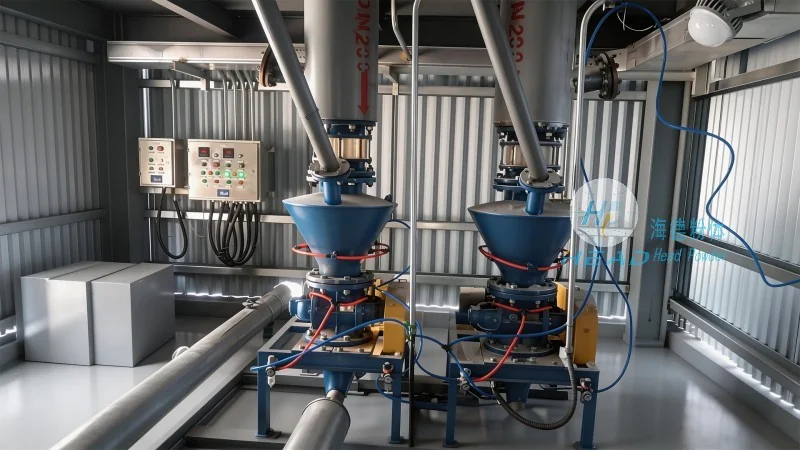
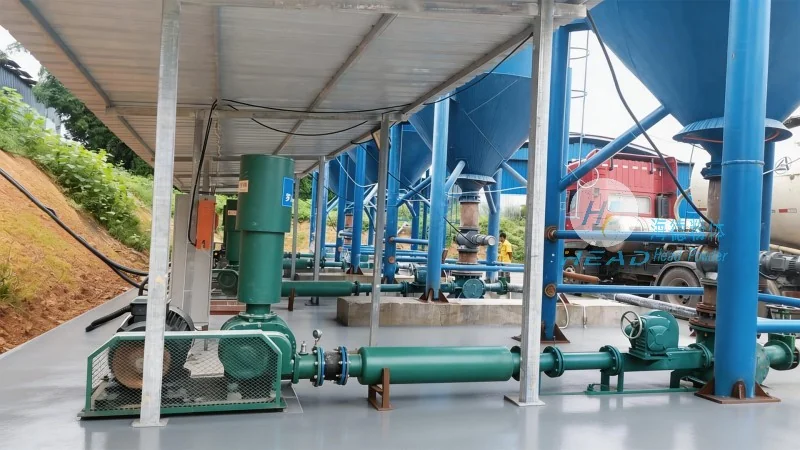
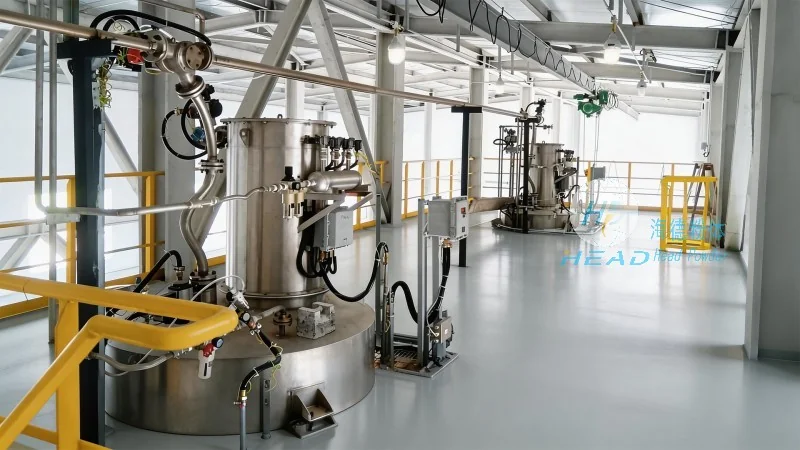
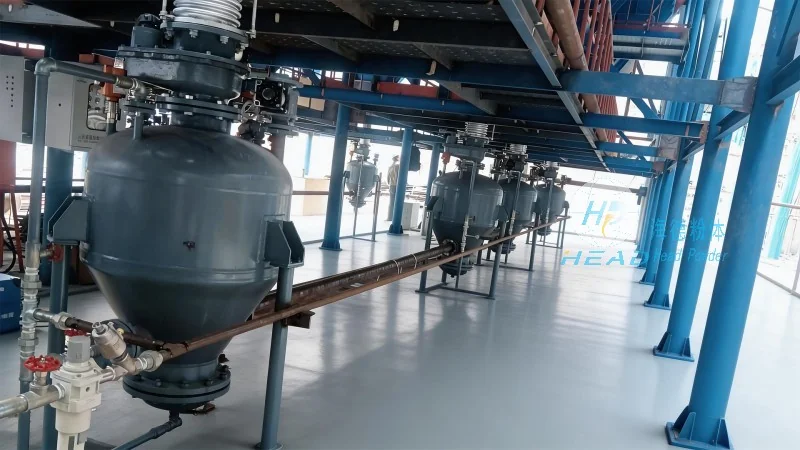
The conveying system is a vital component in the production and transportation of gypsum plaster, ensuring efficient material handling and minimizing material loss. The process typically involves several key steps. First, the raw gypsum ore is crushed and ground into fine powder. This powder is then stored in silos or hoppers before being conveyed to the mixing and packaging areas. The conveying system may use various methods such as pneumatic conveying or mechanical screw conveyors, depending on the production scale and material characteristics. Pneumatic conveying is commonly used for fine powders like gypsum, as it can transport materials over long distances with low energy consumption and minimal dust generation. The system includes components like air compressors, pipelines, and dust collectors to ensure safe and efficient operation. The conveying process is designed to maintain the quality of the gypsum powder, preventing agglomeration and ensuring consistent particle size. Shandong HeadPowder Engineering Co., Ltd. employs advanced conveying technologies to optimize the production line, enhancing productivity and reducing operational costs. The system is equipped with sensors and control systems that monitor the flow rate and pressure, allowing for real-time adjustments to maintain optimal operation. This advanced system ensures that the gypsum plaster is transported efficiently and in compliance with safety and environmental regulations.
Application and Performance in Construction
Gypsum plaster is widely used in construction for interior wall and ceiling finishing, as well as for decorative and protective coatings. Its excellent workability, quick setting, and good bonding properties make it a preferred choice for various applications. The technical parameters of the plaster, such as fineness and setting time, directly influence the final surface quality and durability of the finished work. For example, a finer powder can achieve a smoother surface finish, while an appropriate setting time ensures that the plaster can be applied and finished within the working window. The conveying system process also plays a role in maintaining the product's quality during transportation and storage. By ensuring that the gypsum plaster is handled and transported correctly, the company ensures that the product arrives at the construction site in optimal condition, ready for use. Shandong HeadPowder Engineering Co., Ltd. focuses on delivering high-quality gypsum plaster products and efficient conveying solutions to meet the diverse needs of the construction industry. The company's products are widely recognized for their consistent performance and adherence to industry standards, contributing to the quality and efficiency of construction projects.