

What Methods Can Be Used for Perlite Conveying?
Perlite, a lightweight, porous material widely used in construction, horticulture, and industrial applications, requires efficient conveying methods to ensure smooth material handling and processing. The choice of conveying method for perlite depends on factors such as material properties, production scale, and operational environment. This article explores the various methods available for perlite conveying, providing insights into the most suitable approaches for different scenarios. As a leading provider of material handling solutions, Shandong HeadPowder Engineering Co., Ltd. specializes in optimizing perlite conveying processes for various industrial applications.
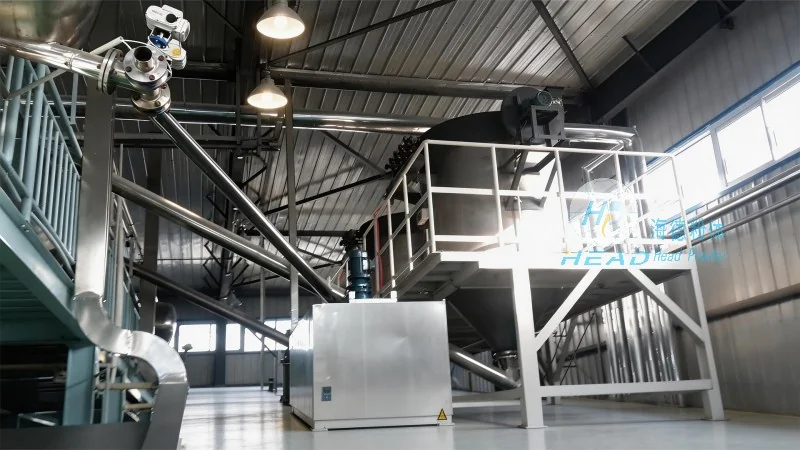
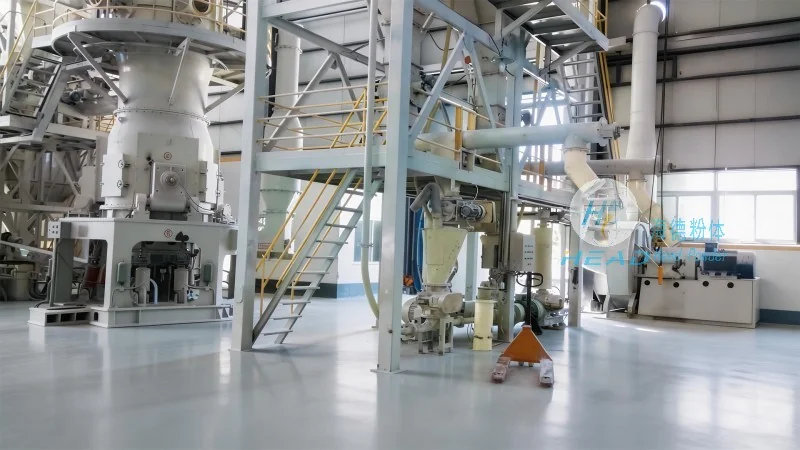
Overview of Perlite Conveying Methods
Perlite conveying involves transporting perlite from its source, such as storage silos or production lines, to processing equipment or end-use applications. The primary goal is to maintain the material's quality, minimize dust generation, and ensure consistent flow. Several methods are commonly employed, each with its own advantages and limitations.
1. Gravity Conveying Systems
Gravity conveying utilizes the natural downward movement of perlite due to gravity, eliminating the need for mechanical power. This method is particularly effective for short distances and when the material is stored at a higher elevation than the processing equipment. The system typically consists of a hopper or chute that allows perlite to flow freely under the influence of gravity. Gravity conveyors are simple in design, requiring minimal maintenance and energy consumption. They are ideal for applications where the material is relatively dry and free-flowing, and the vertical or inclined distance is manageable. However, they are limited by the distance and angle constraints, as excessive length or steep angles can cause material bridging or blockages. For instance, in a perlite processing plant, a gravity chute can transport perlite from a storage silo to a grinding or screening unit, ensuring a continuous flow without the need for additional machinery.
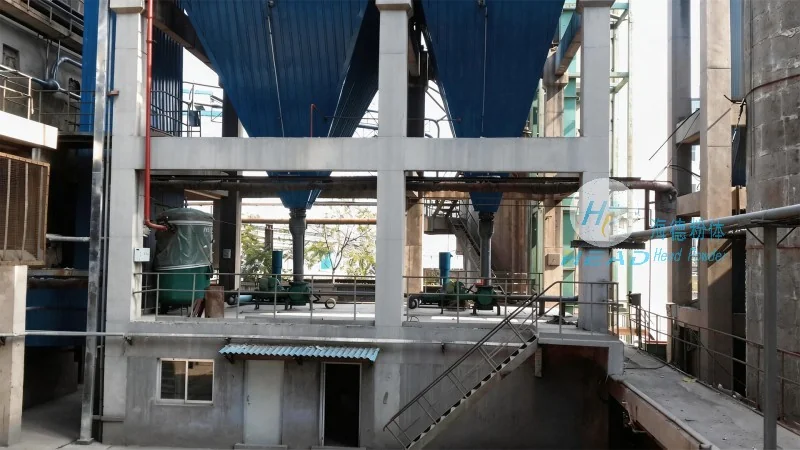
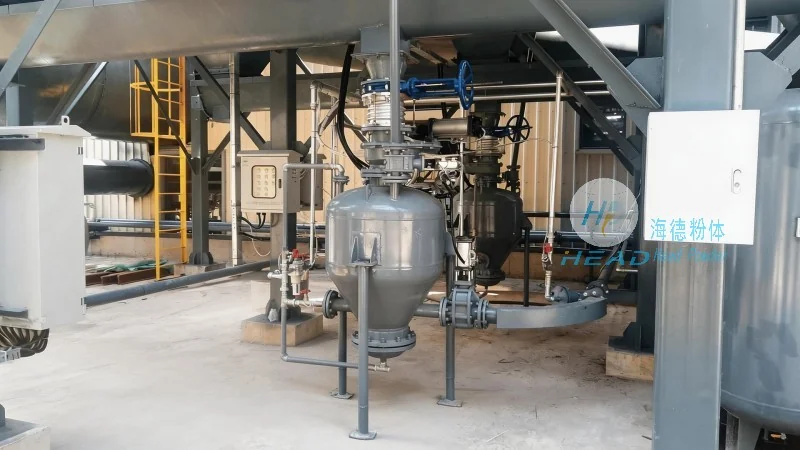
2. Mechanical Conveying Systems
For longer distances or when gravity is insufficient, mechanical conveying systems are employed. These systems use mechanical power to move perlite, offering greater flexibility and control over the conveying process. Common mechanical methods include belt conveyors, screw conveyors, and pneumatic conveying systems. Belt conveyors are widely used for horizontal or slight incline conveying, capable of handling large volumes of perlite. They consist of a continuous belt supported by rollers, with the material placed on the belt and transported to the destination. Screw conveyors, also known as auger conveyors, use a rotating screw to push perlite forward. This method is suitable for both horizontal and vertical conveying, making it versatile for various applications. However, screw conveyors may cause more material degradation due to friction, and they are less effective for very fine or powdery perlite. Pneumatic conveying systems use air pressure to transport perlite through a pipeline. This method is ideal for dust-free conveying, as the material is enclosed within the pipeline. It can handle both dry and wet perlite, and is suitable for long-distance conveying. However, pneumatic systems require higher energy consumption and may be more complex to maintain, especially for large-scale operations.