

What is Graphite Powder Pneumatic Conveying? Classification and Applications of Pneumatic Conveying
Graphite powder pneumatic conveying is a method of transporting fine powders like graphite through a pipeline using air or other gas as the conveying medium. This technology is widely used in industries where handling graphite powder efficiently and safely is crucial. The process involves creating a flow of air within the pipeline that carries the graphite particles, enabling them to be transported from a source to a destination without the need for mechanical components like belts or buckets.
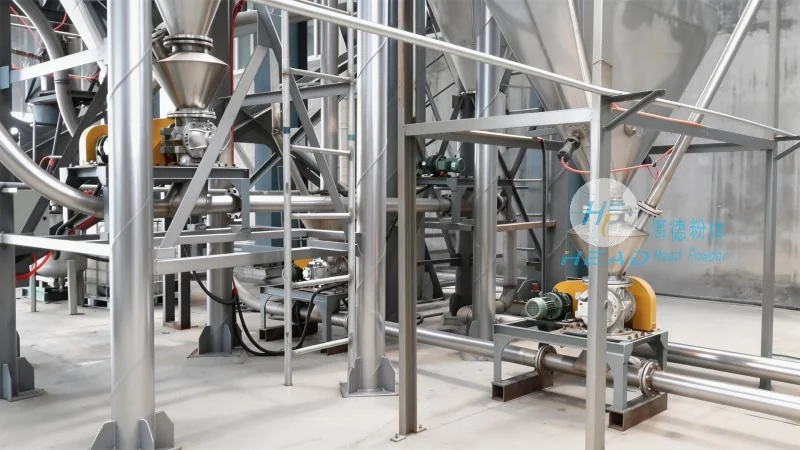
Understanding Pneumatic Conveying Systems
Pneumatic conveying systems are designed to move bulk materials through a closed or open system using pressurized or vacuum air. For graphite powder, which is often fine and can be abrasive, specialized equipment is required to ensure efficient and reliable transport. The system typically consists of a hopper, a conveyor line, and a receiver, with air being introduced at specific points to create the conveying force.
Types of Pneumatic Conveying for Graphite Powder
There are two main categories of pneumatic conveying: pressure and vacuum systems. Pressure systems use compressed air to push the material through the pipeline, while vacuum systems use a vacuum to pull the material. For graphite powder, pressure systems are often preferred due to their ability to handle higher material loads and longer distances. However, vacuum systems are suitable for applications where the material needs to be transported from a lower elevation or where the system needs to be flexible in terms of layout.
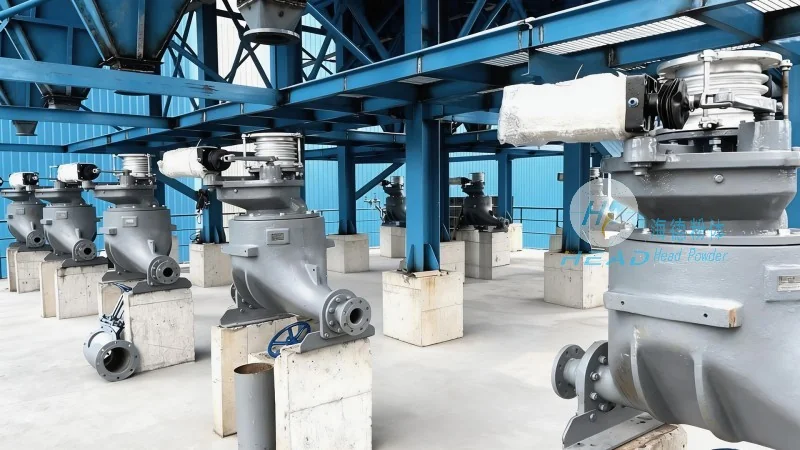
Key Components of Graphite Powder Pneumatic Conveying Systems
The effectiveness of a pneumatic conveying system for graphite powder depends on several key components. The hopper is where the graphite powder is stored and fed into the system. It must be designed to prevent caking and ensure a consistent flow of material. The conveyor line, usually made of stainless steel or other corrosion-resistant materials, is where the graphite particles are carried by the air stream. The air flow rate and pressure are critical parameters that need to be optimized to achieve the desired conveying efficiency. The receiver is where the graphite powder is deposited at the end of the pipeline, and it must be equipped with dust collection systems to prevent environmental contamination.
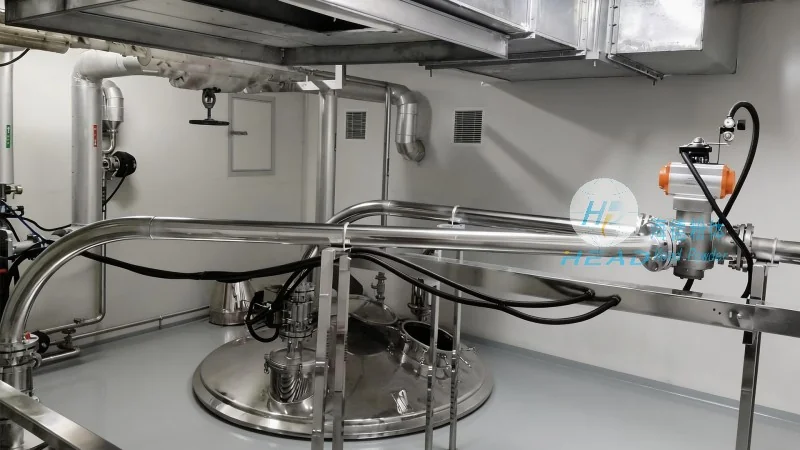
Applications of Graphite Powder Pneumatic Conveying
Graphite powder pneumatic conveying is used in various industries, including manufacturing, chemical processing, and mining. In the manufacturing sector, it is used to transport graphite powder for the production of lubricants, refractory materials, and electrodes. In chemical processing, it is used to move graphite powder in the production of carbon black and other chemical products. In mining, it is used to transport graphite ore from the mine to processing facilities. The ability to handle fine powders and transport them over long distances makes pneumatic conveying an ideal solution for these applications.
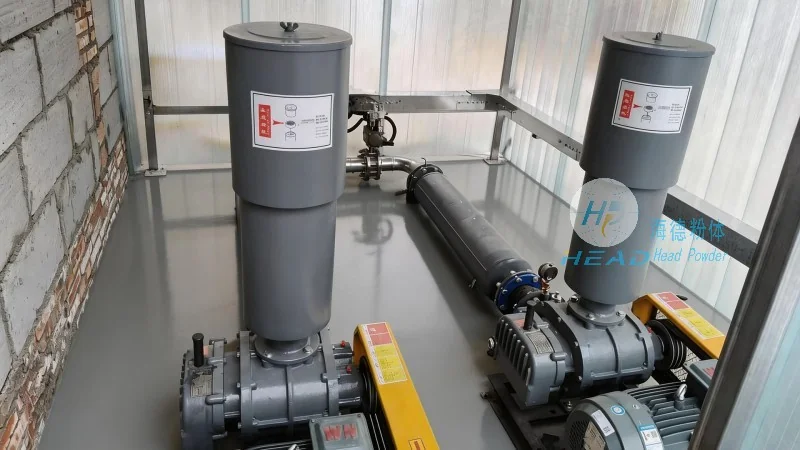
Advantages of Using Pneumatic Conveying for Graphite Powder
There are several advantages to using pneumatic conveying for graphite powder. First, it is a closed system, which helps to prevent dust contamination and improve workplace safety. Second, it is a continuous process, which increases efficiency and reduces downtime. Third, it is a flexible system that can be easily adapted to different production requirements. Fourth, it is a low-maintenance system, as there are no moving parts that require regular maintenance. These advantages make pneumatic conveying an attractive option for companies handling graphite powder.
Considerations for Implementing Graphite Powder Pneumatic Conveying
When implementing a pneumatic conveying system for graphite powder, several factors need to be considered. The first is the particle size and density of the graphite powder, as these affect the conveying efficiency. The second is the distance and elevation changes between the source and destination, as these affect the required air pressure and flow rate. The third is the ambient conditions, such as temperature and humidity, as these can affect the performance of the system. The fourth is the environmental regulations, as the system must be designed to meet local and national regulations regarding dust emissions. By considering these factors, companies can ensure that their pneumatic conveying system is efficient and effective.