

What is Lithium-Ion Battery Pneumatic Conveying, Classification and Applications of Pneumatic Convey
HeadPowder, a leading provider in the field of material handling solutions, specializes in advanced pneumatic conveying systems tailored for the lithium-ion battery industry. This article aims to explore the concept of lithium-ion battery pneumatic conveying, its classification, and practical applications, offering insights into how such systems enhance efficiency and safety in battery manufacturing and processing.
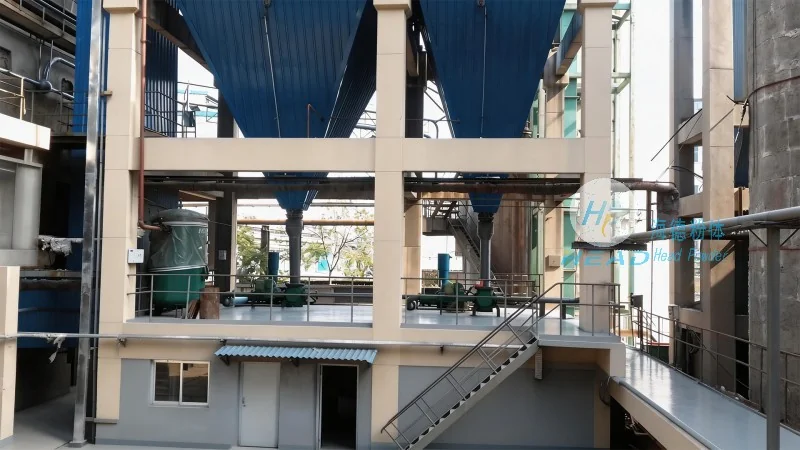
Introduction to Lithium-Ion Battery Pneumatic Conveying
Lithium-ion battery pneumatic conveying refers to the technology of transporting lithium-ion battery components, such as powder raw materials, active materials, and finished battery parts, using air or gas as the conveying medium. This method is widely adopted in the battery production process due to its ability to handle fine powders and delicate materials with minimal damage, ensuring product quality and operational safety. The system typically consists of a hopper, a conveying line, and a receiver, with the air flow controlling the movement of materials through the pipeline.
Classification of Pneumatic Conveying Systems
Pneumatic conveying systems for lithium-ion batteries are categorized based on the pressure difference between the conveying line and the ambient environment. The primary types include:
1. Positive Pressure System (Blower System): This system operates by blowing air into the conveying line, creating positive pressure that pushes materials forward. It is suitable for short to medium conveying distances and is commonly used for transporting bulk powders like battery active materials. The positive pressure helps maintain material flow and prevents dust leakage, making it ideal for environments where dust control is critical.
2. Negative Pressure System (Vacuum System): In contrast, the negative pressure system uses a vacuum to draw materials into the conveying line. It is particularly effective for long-distance conveying and handling materials that are prone to dust or require a closed environment. This system is often employed in the transportation of finished battery packs or components that need to be protected from external contaminants.
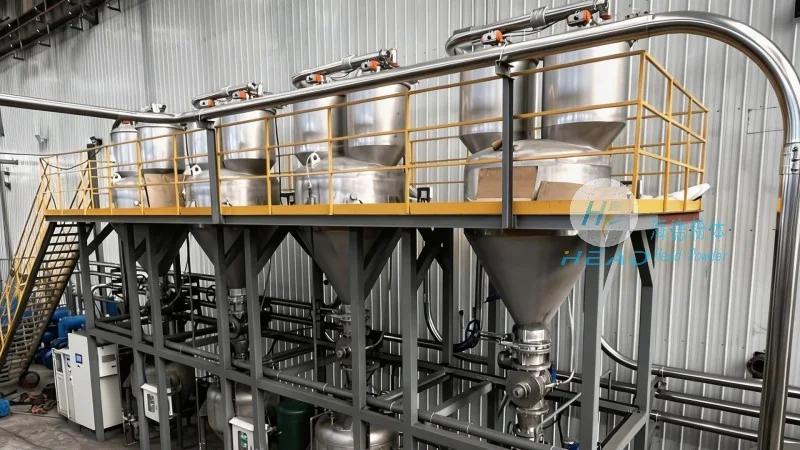
3. Hybrid System: A combination of both positive and negative pressure, the hybrid system offers flexibility in conveying different materials over varying distances. It can switch between pressure modes to optimize material flow and energy consumption, making it a versatile solution for complex battery production lines.
Applications of Pneumatic Conveying in Lithium-Ion Battery Manufacturing
The application of pneumatic conveying in lithium-ion battery manufacturing covers multiple stages, from raw material handling to finished product packaging. Key applications include:
Raw Material Handling: Pneumatic conveying is extensively used to transport raw materials such as lithium carbonate, nickel oxide, and other battery active materials from storage silos to production lines. The system ensures a continuous and controlled flow of materials, reducing downtime and improving production efficiency. For instance, in the processing of cathode materials, the positive pressure system efficiently conveys fine powders to mixing and coating equipment, maintaining particle integrity and preventing agglomeration.
Component Assembly: During the assembly of battery cells and modules, pneumatic conveying is utilized to transport individual components like separators, anodes, and cathodes to the assembly stations. The gentle handling of these delicate parts minimizes damage, which is crucial for maintaining battery performance and lifespan. The negative pressure system is often preferred here to avoid exposing sensitive components to air, ensuring a clean and controlled assembly environment.
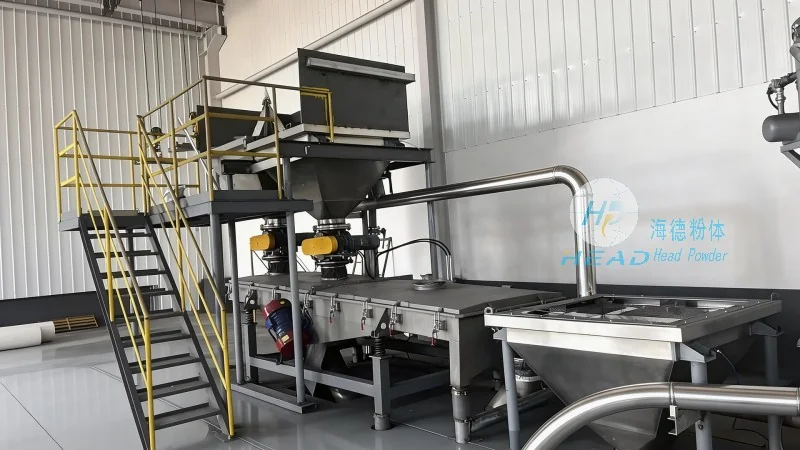
Finished Product Transportation: For the final stage of battery production, pneumatic conveying systems are employed to move completed battery packs or modules from the production line to storage or packaging areas. This method provides a dust-free and efficient means of transporting finished products, reducing the risk of damage and contamination. The positive pressure system is typically used for this purpose, as it can handle larger volumes and maintain product integrity during transportation.
Advantages of Lithium-Ion Battery Pneumatic Conveying
Implementing pneumatic conveying systems in lithium-ion battery manufacturing offers several advantages that contribute to improved operational performance and product quality:
Efficiency and Speed: Pneumatic conveying enables rapid and continuous material transport, significantly reducing the time required for material handling compared to traditional methods like manual loading or mechanical conveyors. This efficiency is particularly beneficial in high-volume battery production lines, where speed is critical to meeting market demands.
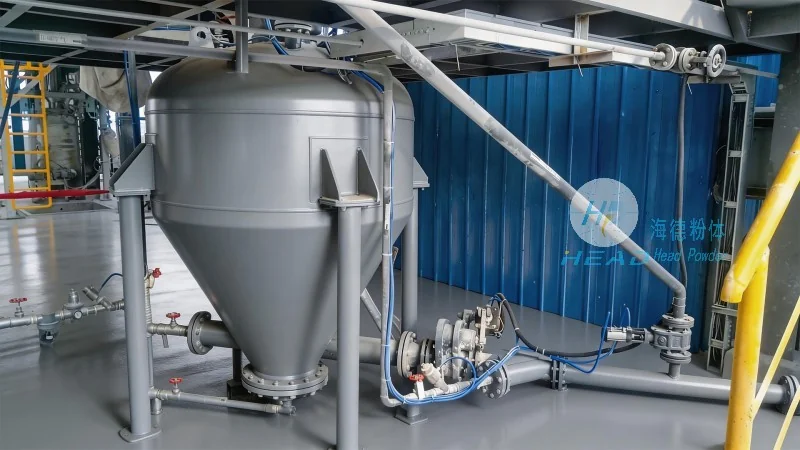
Reduced Downtime: By automating the material transport process, pneumatic conveying systems minimize the need for manual intervention, thereby reducing downtime caused by material shortages or equipment maintenance. The continuous flow of materials ensures that production lines operate at optimal capacity, enhancing overall productivity.
Enhanced Safety and Environmental Control: Pneumatic conveying systems are designed to maintain a closed environment, preventing dust emissions and protecting both workers and the environment from harmful particles. This is especially important in lithium-ion battery manufacturing, where fine powders can pose health risks and environmental hazards. The system also reduces the risk of fire or explosion by controlling the air flow and minimizing the presence of flammable materials in the conveying line.
Space Efficiency: Unlike traditional conveyors that require extensive floor space, pneumatic conveying systems can be installed in vertical or horizontal configurations, making them suitable for facilities with limited space. This flexibility allows manufacturers to optimize their production layout and maximize the use of available area.
Conclusion
Lithium-ion battery pneumatic conveying is a vital technology in modern battery manufacturing, offering efficient, safe, and flexible solutions for material handling. By understanding the classification and applications of pneumatic conveying systems, battery manufacturers can select the most appropriate system to meet their specific production needs, ultimately improving product quality, operational efficiency, and overall competitiveness. HeadPowder, with its expertise in engineering customized pneumatic conveying solutions, continues to support the lithium-ion battery industry in achieving these goals, ensuring sustainable and advanced manufacturing processes.