

Oat Flour Conveying Methods: Options Available
When it comes to handling and transporting oat flour efficiently, selecting the right conveying method is crucial for maintaining product quality, minimizing downtime, and optimizing operational costs. Oat flour, with its fine texture and potential for dust generation, requires specialized equipment and techniques to ensure safe and effective movement through processing facilities. In this article, we explore the various methods available for oat flour conveying, providing insights into the technologies and considerations that can help businesses in the oat milling industry achieve reliable and efficient material handling solutions. HeadPowder, a leading provider of engineering solutions for the food processing industry, specializes in designing and manufacturing custom conveying systems tailored to the unique needs of oat flour handling.
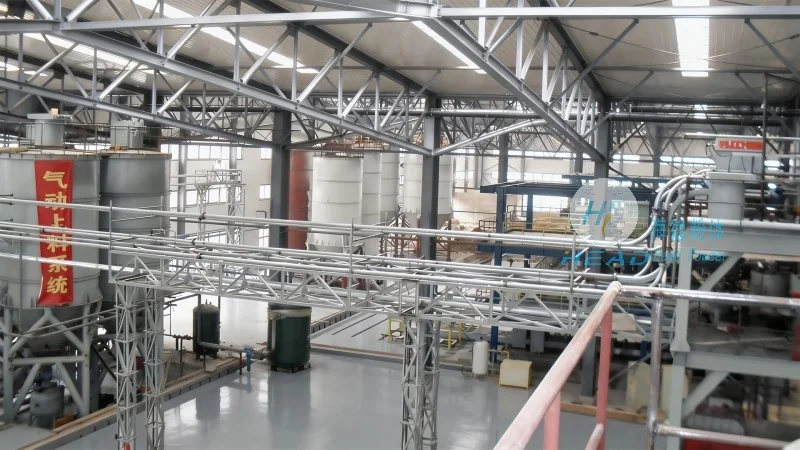
Understanding the Challenges of Oat Flour Conveying
Oat flour is known for its delicate nature and tendency to generate dust during handling. These characteristics make traditional conveying methods, such as manual or basic mechanical systems, less suitable. The risk of product degradation, contamination, and equipment damage increases when improper conveying techniques are used. Therefore, it is essential to understand the unique properties of oat flour and choose conveying systems that are designed to address these challenges. Key considerations include preventing caking, minimizing air entrainment, and maintaining consistent flow rates to avoid blockages or uneven distribution.
Common Conveying Methods for Oat Flour
Several effective methods are commonly used for oat flour conveying, each with its own advantages and applications. The choice of method depends on factors such as the volume of material to be handled, the distance of transport, the available space in the facility, and the specific requirements of the processing line. Below are some of the most widely adopted techniques:
1. Mechanical Conveying Systems
Mechanical conveying systems rely on physical components like belts, screws, and buckets to move oat flour. These systems are particularly effective for horizontal or slight incline transport and are often preferred for their reliability and ability to handle bulk materials. One common type is the belt conveyor, which uses a continuous belt to transport oat flour from one point to another. Belt conveyors are suitable for moderate to high volumes and can be equipped with features like adjustable speed controls and dust collection systems to enhance performance. Another mechanical option is the screw conveyor, or auger, which uses a rotating screw to push oat flour through a tube. Screw conveyors are ideal for vertical or inclined transport and can handle fine powders without the need for additional air assistance. Both belt and screw conveyors are designed to minimize product degradation by reducing friction and preventing excessive vibration.
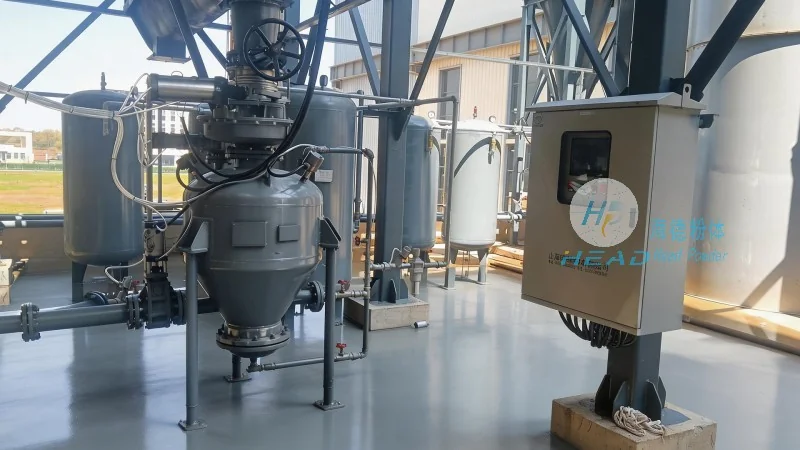
2. Pneumatic Conveying Systems
Pneumatic conveying, or air-based systems, use compressed air to transport oat flour as a suspension. This method is highly effective for moving fine powders over longer distances and through complex routes. There are two main types of pneumatic conveying: pressure and vacuum systems. Pressure systems use positive pressure to push oat flour through a pipeline, while vacuum systems use negative pressure to pull the material. Pneumatic conveying offers advantages such as the ability to handle both dry and moist powders, reduce labor costs by automating material movement, and maintain product integrity by minimizing contact with external elements. However, it requires careful design to prevent pressure drops and ensure consistent air flow, which can impact conveying efficiency. Proper filtration and moisture control are also essential to prevent equipment wear and maintain product quality.
3. Gravity Conveying Systems
Gravity conveying systems utilize the natural force of gravity to move oat flour from higher to lower levels. This method is simple, cost-effective, and requires minimal energy input. It is commonly used for short horizontal or slight incline distances where the material can flow freely without the need for mechanical assistance. Gravity chutes or troughs are often used in oat flour processing facilities to direct the flow of material from storage bins or silos to processing equipment. While gravity conveying is efficient for low-volume applications, it is limited by the need for a suitable slope and may not be suitable for long distances or vertical transport. Additionally, it requires proper design to prevent material buildup and ensure consistent flow rates.
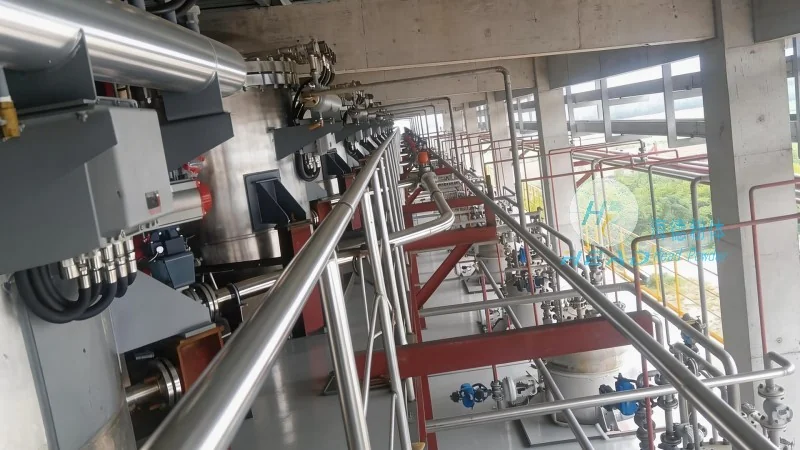
4. Hybrid Conveying Solutions
Many modern oat flour processing facilities employ hybrid conveying systems that combine elements of mechanical and pneumatic methods. For example, a system might use a screw conveyor to transport oat flour from a storage bin to a pneumatic pipeline, where it is then moved to the final destination. Hybrid systems offer flexibility and can be tailored to meet specific operational needs, such as handling varying volumes or transporting materials over different distances. They also allow for better control over the conveying process, enabling adjustments to flow rates and pressure as needed. The use of hybrid systems has become increasingly popular as businesses seek to optimize their material handling operations and reduce costs.
Key Considerations for Selecting the Right Conveying System
When choosing a conveying system for oat flour, several factors must be carefully evaluated to ensure the best fit for the application. First, the volume and consistency of the material are critical. High-volume applications may require larger, more robust systems like belt conveyors or high-capacity pneumatic lines, while low-volume operations might benefit from smaller, more compact solutions. Second, the distance and layout of the facility play a significant role. Longer distances or complex routes may necessitate pneumatic systems with additional components like air compressors or vacuum pumps. Third, the need for product quality control is paramount. Systems that minimize dust generation, prevent cross-contamination, and maintain consistent moisture levels are essential for maintaining the quality of oat flour. Finally, operational costs, including energy consumption, maintenance requirements, and initial investment, should be considered to ensure long-term efficiency and profitability.
Conclusion: Choosing the Right Oat Flour Conveying Method
Efficient oat flour conveying is a vital component of any oat milling operation, directly impacting productivity, product quality, and overall operational success. By understanding the unique challenges of handling oat flour and exploring the various conveying methods available, businesses can select the most suitable system for their specific needs. Whether opting for mechanical, pneumatic, gravity, or hybrid solutions, the key is to choose a system that addresses the material's properties, the facility's layout, and the operational requirements. With the right conveying system in place, oat flour can be transported safely and effectively, supporting the production of high-quality oat products and contributing to the success of the business.