

Classification and Application Analysis of Corn Pneumatic Conveying Systems
Corn, as a major agricultural commodity worldwide, plays a crucial role in food production, animal feed, and biofuel industries. The efficient handling and transportation of corn from fields to processing facilities are critical for optimizing production processes and reducing operational costs. Pneumatic conveying systems have emerged as a preferred method for corn transport due to their ability to handle bulk materials with minimal dust generation and reduced risk of contamination. This article provides an in-depth classification of corn pneumatic conveying systems and analyzes their practical applications, highlighting the technological advancements and operational benefits they offer.
Classification of Corn Pneumatic Conveying Systems
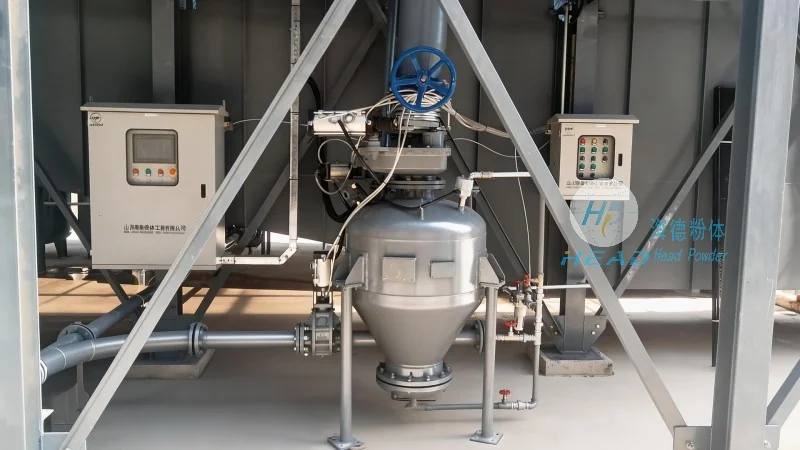
There are several key classifications of corn pneumatic conveying systems based on the principles of operation and the type of material being transported. The primary categories include pressure systems, vacuum systems, and mixed systems. Pressure systems utilize compressed air to push the corn through the pipeline, typically operating at pressures ranging from 0.5 to 2 bar. These systems are suitable for long-distance transport and can handle a wide range of corn types, including whole kernels, broken pieces, and even wet or sticky materials. Vacuum systems, on the other hand, use a vacuum to draw the corn into the pipeline, often operating at pressures below atmospheric levels. They are ideal for short-distance transport and are commonly used in processing plants where the corn needs to be transferred from storage bins to processing equipment. Mixed systems combine elements of both pressure and vacuum, offering flexibility in handling different corn characteristics and operational requirements. Additionally, systems can be classified based on the type of air flow, such as dilute-phase and dense-phase conveying. Dilute-phase systems use high-velocity air to suspend the corn particles, allowing for rapid transport over long distances. Dense-phase systems, conversely, use lower air velocities to form a dense mixture of corn and air, which is more suitable for transporting delicate or high-value corn products without causing damage.
Key Components of Corn Pneumatic Conveying Systems
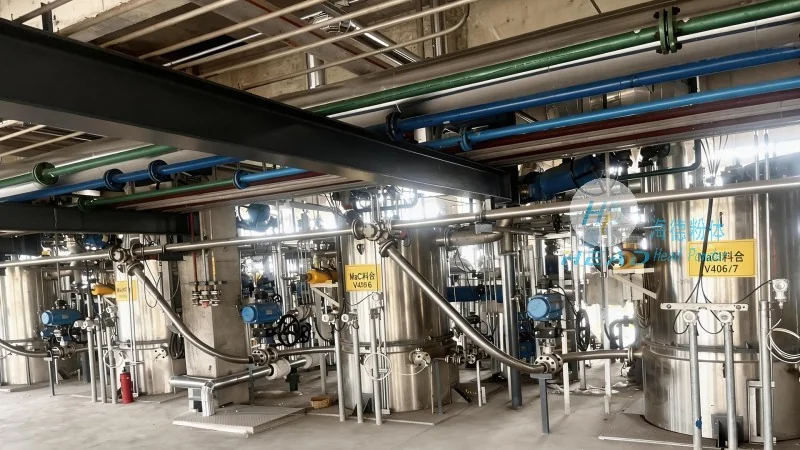
Understanding the components of corn pneumatic conveying systems is essential for their effective operation and maintenance. The core components include the feed hopper, which holds the corn and feeds it into the system; the conveyor pipeline, which transports the corn from the source to the destination; the air compressor or vacuum pump, which provides the necessary pressure or vacuum; and the control system, which regulates the flow of corn and air. The feed hopper is designed to minimize material buildup and ensure consistent feeding rates, often equipped with level sensors and flow control valves. The pipeline is typically made of stainless steel or other corrosion-resistant materials to prevent contamination and ensure durability. The air compressor or vacuum pump is selected based on the system's pressure requirements and the volume of corn to be transported. Modern systems often incorporate variable frequency drives (VFDs) to adjust the air flow and pressure dynamically, optimizing energy consumption and operational efficiency. The control system may include sensors for monitoring pressure, flow, and temperature, as well as alarms and safety features to prevent system failures and ensure operator safety.
Applications of Corn Pneumatic Conveying Systems
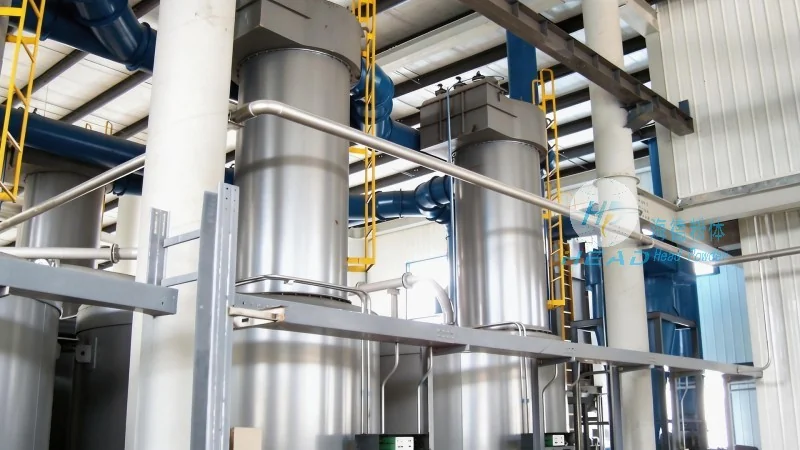
Corn pneumatic conveying systems are widely used in various stages of corn processing and handling. In agricultural settings, they are employed to transport harvested corn from storage silos to trucks or storage facilities, ensuring efficient and hygienic transfer. In processing plants, these systems are crucial for moving corn from storage bins to grinding, milling, or drying equipment. The ability to handle large volumes of corn quickly and with minimal labor makes pneumatic conveying an attractive option for industrial applications. For example, in the production of corn flour or corn starch, the system can transport the raw corn to the grinding mills, where it is processed into fine powders. In the biofuel industry, pneumatic conveying is used to transport corn to ethanol production facilities, where it is converted into fuel. Additionally, these systems are used in animal feed manufacturing, where corn is mixed with other ingredients to create feed for livestock. The versatility of corn pneumatic conveying systems allows them to adapt to different processing requirements, from high-speed production lines to small-scale agricultural operations.
Advantages and Considerations of Corn Pneumatic Conveying Systems
While corn pneumatic conveying systems offer numerous advantages, there are also important considerations to keep in mind. The primary benefits include reduced labor costs, as the system automates the transport process, minimizing the need for manual handling. This not only improves efficiency but also enhances workplace safety by eliminating the risk of accidents associated with manual lifting and moving of bulk materials. Additionally, pneumatic conveying systems reduce dust generation and contamination, which is critical for maintaining product quality and meeting regulatory standards. The systems are also flexible, allowing for easy integration with existing processing equipment and modifications to accommodate changes in production volume or corn characteristics. However, there are challenges associated with these systems, such as the need for regular maintenance of the air compressor and pipeline, as well as the potential for material buildup in the pipeline, which can affect system performance. Proper maintenance, including cleaning and inspection of the pipeline and components, is essential to ensure the longevity and efficiency of the system. Furthermore, the initial investment cost for pneumatic conveying systems can be higher compared to traditional methods like bucket elevators or belt conveyors, although the long-term operational savings often justify the investment.
About Shandong HeadPowder Engineering Co., Ltd.
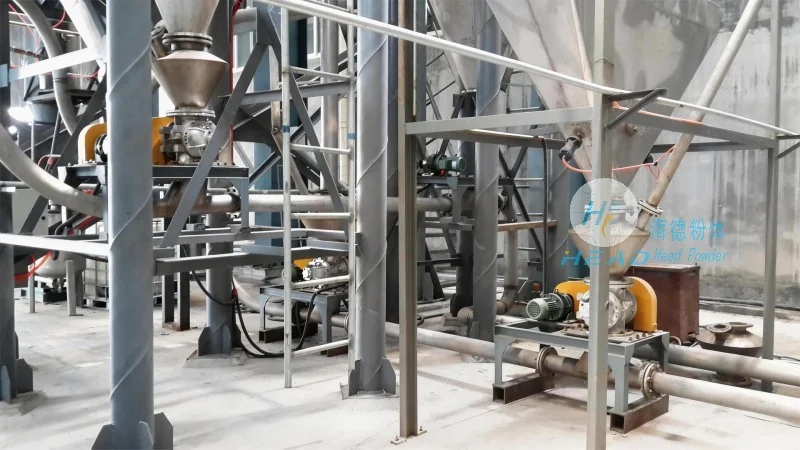
Shandong HeadPowder Engineering Co., Ltd., commonly known as HeadPowder, is a leading manufacturer and supplier of corn pneumatic conveying systems and related industrial equipment. With a strong focus on innovation and quality, HeadPowder has established itself as a trusted partner in the agricultural and processing industries. The company specializes in designing and manufacturing customized pneumatic conveying solutions tailored to the specific needs of its clients, ensuring optimal performance and efficiency. HeadPowder's products are known for their durability, reliability, and energy efficiency, making them suitable for a wide range of corn processing applications. The company's commitment to customer satisfaction is reflected in its comprehensive after-sales service, including installation, training, and maintenance support. HeadPowder's facilities are equipped with advanced technology and skilled personnel, enabling the company to deliver high-quality products that meet international standards. By leveraging its expertise and experience, HeadPowder continues to contribute to the advancement of corn handling technology and supports the growth of the agricultural and processing sectors.