

Which Methods Can Be Used for Silicon Micropowder Conveying?
When it comes to the efficient and reliable transport of silicon micropowder, selecting the right conveying method is crucial for maintaining product quality and operational efficiency. As a leading provider in the field, Shandong HeadPowder Engineering Co., Ltd. (referred to as HeadPowder) offers a range of proven solutions tailored to the unique characteristics of silicon micropowder. This article explores the various methods available for silicon micropowder conveying, highlighting the advantages and considerations for each approach.
Understanding Silicon Micropowder and Conveying Challenges
Silicon micropowder, often used in industries such as electronics, ceramics, and coatings, presents specific challenges during transport due to its fine particle size, potential for static charge, and sensitivity to moisture. These factors can affect the performance of conveying systems, making it essential to choose a method that minimizes particle degradation, ensures consistent flow, and maintains product integrity. HeadPowder specializes in addressing these challenges through advanced conveying technologies.
Common Conveying Methods for Silicon Micropowder
Several methods are commonly employed for silicon micropowder transport, each with distinct advantages depending on the application and operational requirements. The primary methods include:
1. Air-Pneumatic Conveying (Pneumatic Systems)
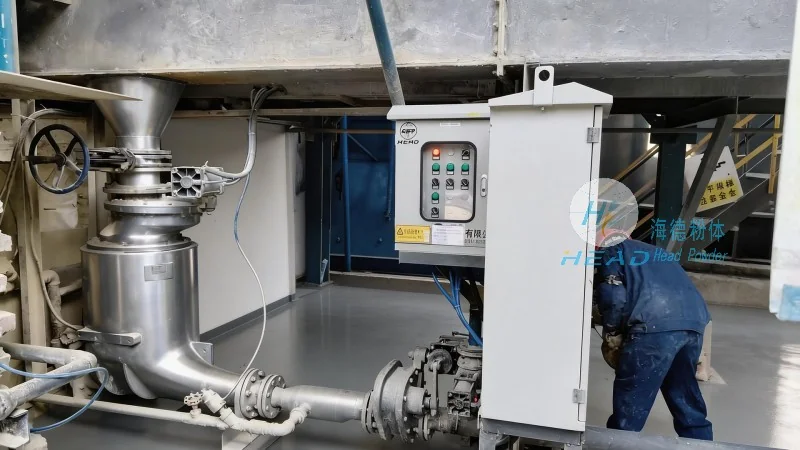
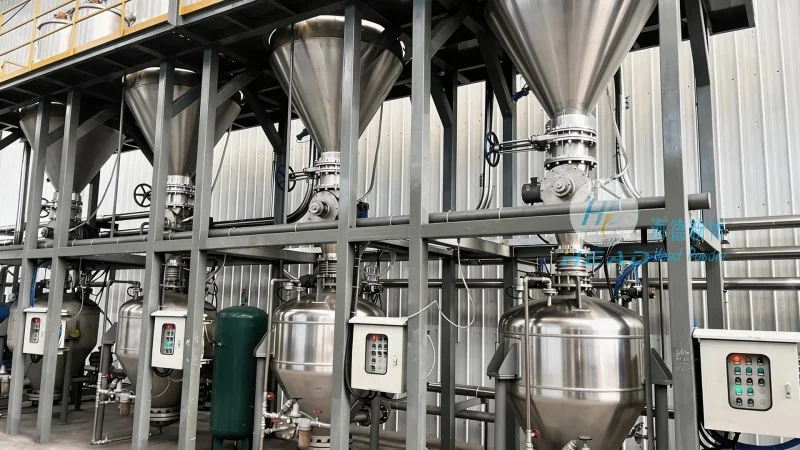
Air-pneumatic conveying, also known as pneumatic systems, is one of the most widely used methods for handling fine powders like silicon micropowder. This approach utilizes compressed air to transport particles through a pipeline, combining both pressure and vacuum stages to move material from the source to the destination. HeadPowder’s pneumatic conveying solutions are designed to handle the low density and high flow rates typical of silicon micropowder, ensuring smooth and continuous transport. The system typically includes components such as a hopper, feeder, and control valves, which work together to maintain consistent air pressure and particle flow. Pneumatic conveying is particularly effective for long-distance transport and can be adapted for both bulk and small-scale applications.
2. Mechanical Conveying (Bulk Handling Equipment)
For applications requiring larger volumes or where air-pneumatic systems are not feasible, mechanical conveying methods offer a reliable alternative. Mechanical conveyors, such as screw conveyors, belt conveyors, and bucket elevators, use mechanical force to move silicon micropowder. HeadPowder provides customized mechanical conveying systems that can handle the abrasive nature of silicon micropowder, minimizing wear and tear on components. Screw conveyors, for example, are ideal for horizontal or slight incline transport, while bucket elevators are suitable for vertical lifting. These systems are often integrated with dust collection and filtration to control airborne particles and maintain a clean working environment.
3. Hybrid Conveying Systems
In some cases, combining air-pneumatic and mechanical conveying methods can provide the best results. Hybrid systems use pneumatic transport for the initial stage, such as from a storage silo to a processing unit, and then transition to mechanical conveyors for the final delivery. This approach leverages the strengths of both methods, reducing energy consumption and improving overall efficiency. HeadPowder’s hybrid solutions are designed to optimize the transport process, ensuring minimal product degradation and consistent performance across different stages of the operation.
Key Considerations for Selecting a Conveying Method
When choosing a conveying method for silicon micropowder, several factors must be considered to ensure optimal performance and cost-effectiveness. These include:
Particle Characteristics and Flowability
The size, shape, and moisture content of silicon micropowder significantly impact its flowability and tendency to form agglomerates. Fine particles are more prone to bridging and caking, which can hinder smooth transport. HeadPowder’s conveying systems are engineered to address these issues, often incorporating vibration or agitation mechanisms to prevent blockages and maintain consistent flow rates.
System Integration and Scalability
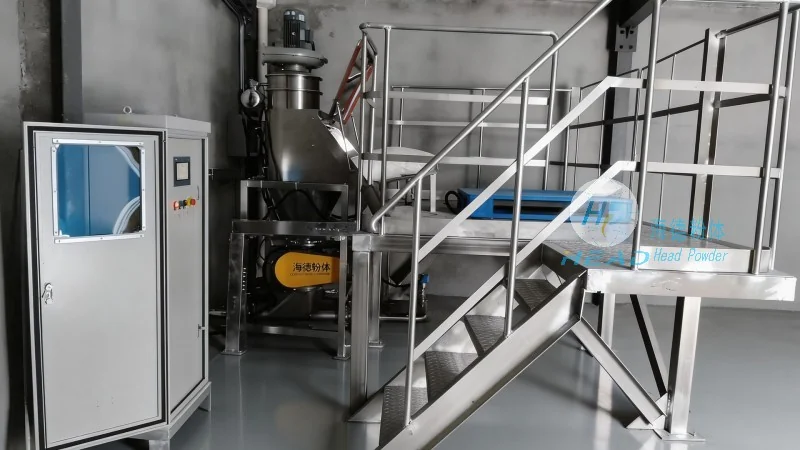
HeadPowder’s solutions are designed for seamless integration with existing production lines, ensuring minimal disruption during installation and operation. The company offers scalable systems that can be adjusted to accommodate varying production volumes, from small batches to large-scale industrial applications. This flexibility allows clients to adapt their conveying systems as their operations grow or change.
Energy Efficiency and Maintenance
Energy consumption and maintenance requirements are critical factors in the long-term cost of conveying systems. HeadPowder’s advanced designs focus on energy efficiency, using optimized air flow and reduced friction to minimize operational costs. Additionally, the company’s systems are built with durable materials and easy-to-replace components, reducing downtime and maintenance expenses over the system’s lifespan.
Conclusion
Choosing the right conveying method for silicon micropowder is essential for maintaining product quality and operational efficiency. Whether using air-pneumatic systems, mechanical conveyors, or hybrid solutions, HeadPowder provides tailored technologies that address the unique challenges of silicon micropowder transport. With a focus on innovation, reliability, and customer satisfaction, Shandong HeadPowder Engineering Co., Ltd. remains a trusted partner for businesses seeking efficient and effective conveying solutions. By understanding the specific requirements of their operations, clients can select the most suitable method to ensure smooth, consistent, and cost-effective transport of silicon micropowder.