

What Methods Can Be Used for Stone Coal Transport?
Stone coal, also known as coking coal or semi-coke, is a critical intermediate product in the coking process. Efficient transport of stone coal is vital for maintaining the smooth operation of coking plants and ensuring the quality of downstream products. Various methods are employed to handle the transportation of stone coal, each with its own advantages and applications. The choice of method depends on factors such as plant size, production capacity, budget, and operational requirements. Below are some of the most common approaches used in the industry.
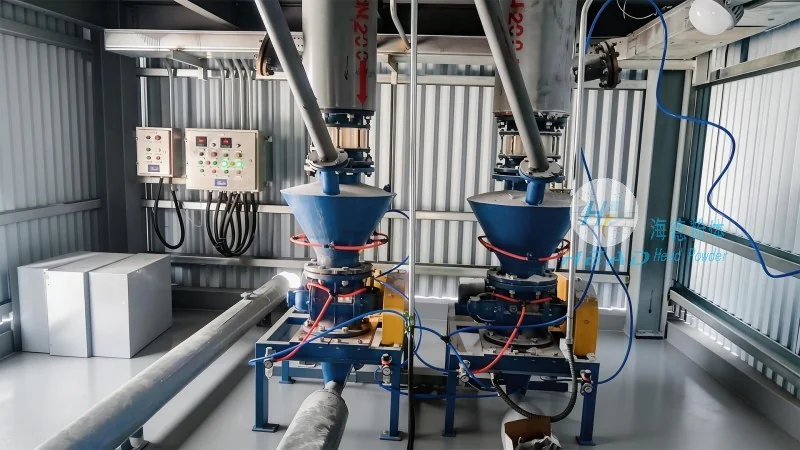
Common Stone Coal Transport Methods
There are several established methods for transporting stone coal, ranging from traditional to modern solutions. The choice of method depends on factors such as plant size, production capacity, budget, and operational requirements. Below are some of the most common approaches used in the industry.
1. Belt Conveyor System
The belt conveyor is one of the most widely used methods for stone coal transport. It consists of a continuous loop of conveyor belt that moves the material from the source to the destination. Belt conveyors are known for their high efficiency, low maintenance, and ability to handle large volumes of material. They are particularly suitable for long-distance transport and can be customized with different belt widths and speeds to accommodate varying production needs. The system typically includes components like idlers, pulleys, and a drive unit, ensuring reliable and continuous operation. Belt conveyors are also flexible in layout, allowing for horizontal, inclined, or even vertical transport, making them versatile for different plant configurations.
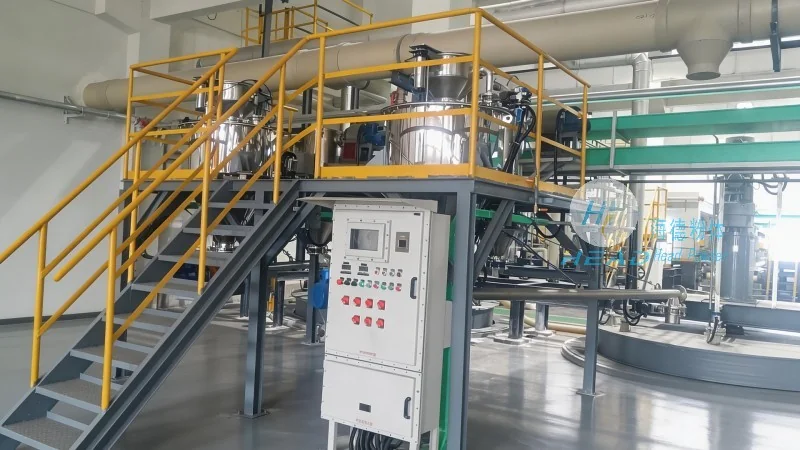
2. Screw Conveyor (Auger Conveyor)
Screw conveyors are another common method for transporting stone coal, especially in applications where a vertical or inclined lift is required. This type of conveyor uses a rotating screw (auger) to move material along a trough. Screw conveyors are compact and can be installed in confined spaces, making them ideal for areas with limited floor space. They are effective for transporting materials with a moderate to high bulk density and are often used in feed systems or for transferring material to higher levels. However, screw conveyors may experience more wear and tear compared to belt conveyors, and they are generally less suitable for very long distances or high-temperature applications.
3. Pneumatic Conveying System
Pneumatic conveying, or air conveying, is a method that uses air pressure to transport stone coal through a pipeline. This system is particularly useful for handling fine or dusty materials, as it can prevent dust dispersion and maintain a clean environment. Pneumatic conveyors are suitable for both short and long distances, and they can be designed as positive or negative pressure systems. Positive pressure systems blow air into the pipeline, pushing the material forward, while negative pressure systems create a vacuum to draw the material. Pneumatic conveying is often used in applications where dust control is critical, such as in food processing or pharmaceutical industries, but it may require more energy and careful maintenance to ensure consistent performance.
4. Hydraulic Conveying
Hydraulic conveying involves the use of water or a slurry to transport stone coal through a pipeline. This method is particularly effective for handling wet or sticky materials, as the slurry helps to lubricate and move the material along the pipe. Hydraulic conveyors are commonly used in mining and mineral processing industries, where the material is often mixed with water to form a slurry. The system typically includes a pump, a pipeline, and a settling tank to separate the material from the water. Hydraulic conveying is known for its ability to transport large volumes of material over long distances with relatively low energy consumption. However, it requires careful management of water usage and may not be suitable for materials that are highly abrasive or prone to clogging.
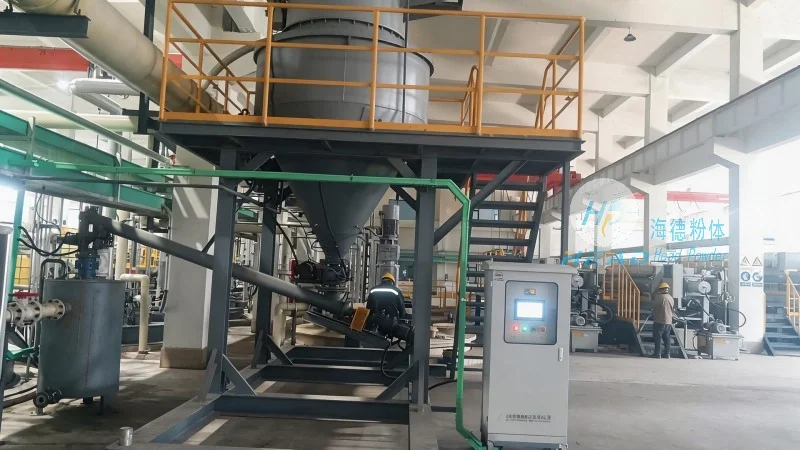
5. Bucket Elevator
Bucket elevators are a type of vertical conveyor that uses a series of buckets attached to a belt or chain to lift and transport material. This method is ideal for vertical transport of stone coal, especially in applications where a significant height difference is required. Bucket elevators are known for their high capacity and reliability, and they can handle a wide range of material sizes and densities. The system consists of a head drum, a tail drum, and a housing that guides the buckets. As the buckets move up the conveyor, they scoop up material from the hopper and discharge it at the top. Bucket elevators are commonly used in coking plants to transport stone coal from the bottom of the coking chamber to the top for further processing. They are also suitable for other vertical transport needs in industrial settings.
About Shandong HeadPowder Engineering Co., Ltd.
Shandong HeadPowder Engineering Co., Ltd., commonly known as HeadPowder, is a leading provider of engineering solutions for the coking and coal processing industries. With a strong focus on innovation and quality, HeadPowder offers comprehensive services including design, manufacturing, and installation of transport systems for stone coal and other materials. The company is headquartered in Shandong, China, and has established a reputation for delivering reliable and efficient solutions tailored to the specific needs of its clients. HeadPowder's expertise in material handling systems ensures that coking plants can operate smoothly and efficiently, contributing to the overall productivity and profitability of the industry.