

What Methods Are Available for Compound Fertilizer Conveying?
Compound fertilizer, as a vital input in contemporary agriculture, demands efficient and reliable conveying systems to ensure smooth material handling from production to application. The choice of conveying method significantly impacts operational efficiency, cost-effectiveness, and overall productivity in fertilizer processing and distribution. This article explores the various methods available for compound fertilizer conveying, highlighting key considerations and applications for each approach.
Understanding the Importance of Compound Fertilizer Conveying
Before delving into specific conveying methods, it's essential to grasp why effective material handling is critical in the fertilizer industry. Compound fertilizers are typically produced in bulk quantities and need to be transported between different stages of processing, storage, and distribution. Inefficient conveying can lead to bottlenecks, increased labor costs, and potential material loss. Thus, selecting the right conveying system is a strategic decision that directly affects the profitability and sustainability of fertilizer operations.
Common Conveying Methods for Compound Fertilizer
Several methods are commonly employed for compound fertilizer conveying, each with distinct advantages and suitable applications. The primary methods include belt conveyors, screw conveyors, pneumatic conveyors, and bucket elevators. The selection of a particular method depends on factors such as the type of fertilizer (e.g., granular, powdered), the required conveying distance, the volume of material to be handled, and the available space in the facility.
Belt Conveyors: A Versatile Solution for Bulk Material Handling
Belt conveyors are one of the most widely used systems for transporting compound fertilizers due to their versatility and ability to handle large volumes of material over long distances. These systems consist of a continuous belt looped over two or more pulleys, with the material placed on the belt and carried to the destination. Belt conveyors are particularly effective for conveying granular or powdered fertilizers, as they can handle a wide range of particle sizes and moisture contents without causing excessive wear or degradation to the material.
For compound fertilizer applications, belt conveyors are often equipped with specialized features such as adjustable speed controls, incline capabilities, and material discharge mechanisms. These features allow for precise control over the conveying process, ensuring that the fertilizer is moved efficiently and safely. Additionally, belt conveyors can be integrated with other processing equipment, such as mixers or storage silos, to create a seamless material flow within the facility.
Screw Conveyors: Ideal for Horizontal and Slight Inclined Transport
Screw conveyors, also known as auger conveyors, are another popular choice for compound fertilizer conveying, especially for horizontal or slight inclined transport. These systems utilize a rotating screw (auger) inside a U-shaped or cylindrical housing to move material forward. Screw conveyors are well-suited for handling granular fertilizers and can be used in both batch and continuous operations.
The design of screw conveyors allows for compact installation, making them an excellent option for facilities with limited space. They are also relatively low-maintenance and can handle a variety of fertilizer types, including those with higher moisture content. However, screw conveyors may not be suitable for very long conveying distances or for materials with high abrasiveness, as the screw and housing can experience wear over time.
Pneumatic Conveying: Efficient for Dusty and Fine Materials
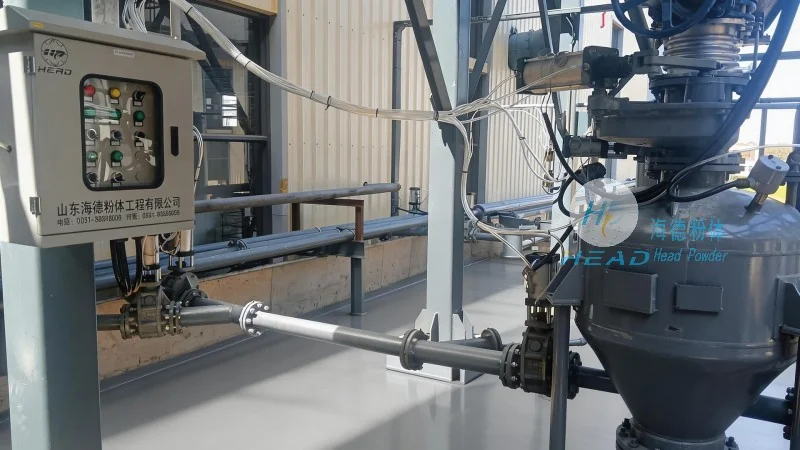
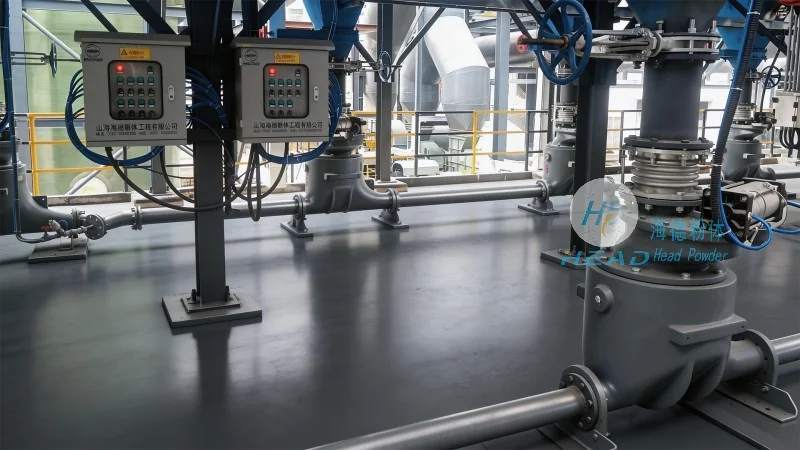
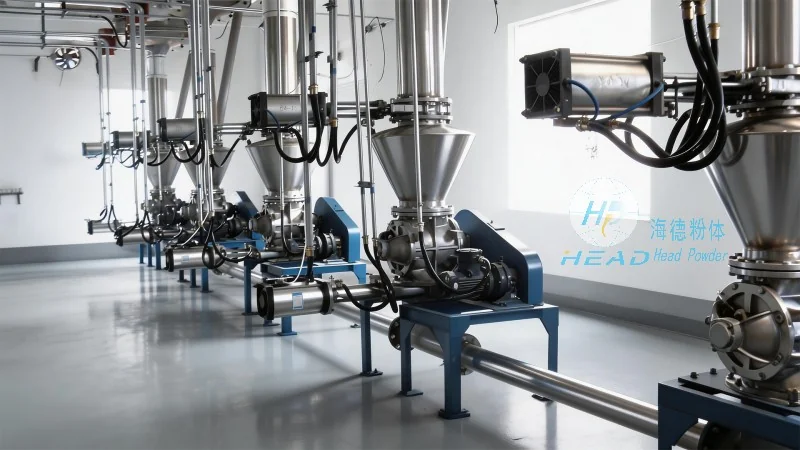
Pneumatic conveying systems use air or other gases to transport compound fertilizers, making them ideal for handling dusty or fine materials that are difficult to move with mechanical systems. These systems consist of a pipeline network with a blower or compressor to generate airflow, which carries the fertilizer particles through the system. Pneumatic conveyors are particularly effective for transporting powdered fertilizers over moderate distances, as they can maintain the material's integrity and prevent segregation.
There are two main types of pneumatic conveying: positive displacement and pressure-assisted systems. Positive displacement systems use a rotary lobe or piston to create a vacuum or pressure, while pressure-assisted systems rely on compressed air to push the material through the pipeline. Both types offer advantages in terms of flexibility and scalability, allowing for the integration of multiple conveying lines and storage points.
Bucket Elevators: Vertical Transport Solutions for Fertilizer Handling
For vertical transport of compound fertilizers, bucket elevators are a reliable and efficient choice. These systems consist of a vertical or inclined conveyor with buckets attached to a chain or belt, which lifts the material from a lower to a higher level. Bucket elevators are commonly used in fertilizer plants to move material from storage silos to processing equipment or to different storage locations.
The design of bucket elevators allows for high capacity and continuous operation, making them suitable for large-scale fertilizer production. They are also relatively simple to maintain and can handle a wide range of fertilizer types, including those with high moisture content or abrasive particles. However, bucket elevators require careful alignment and maintenance to prevent material spillage and ensure smooth operation.
Key Considerations When Choosing a Conveying Method
When selecting a conveying method for compound fertilizer, several factors must be taken into account to ensure optimal performance and cost-effectiveness. The first consideration is the physical properties of the fertilizer, such as particle size, moisture content, and abrasiveness. These properties will determine the suitability of a particular system and may require additional equipment, such as screening or drying, to prepare the material for conveying.
Another critical factor is the conveying distance and layout of the facility. For short distances, a simple screw conveyor or belt conveyor may suffice, while longer distances may require a combination of systems, such as a belt conveyor for horizontal transport and a bucket elevator for vertical transport. The available space and budget constraints also play a significant role in the selection process, as different systems have varying installation and operational costs.
Additionally, the need for automation and integration with other processing equipment should be considered. Modern fertilizer plants often require automated conveying systems that can be integrated with control systems to monitor and adjust the material flow in real-time. This integration enhances operational efficiency and reduces the risk of human error.
Conclusion: Selecting the Right Conveying System for Compound Fertilizer
Choosing the appropriate conveying method for compound fertilizer is a critical decision that impacts the overall efficiency and profitability of fertilizer operations. By understanding the different options available and considering the specific requirements of the application, facility managers can select a system that maximizes performance while minimizing costs and maintenance.
Shandong HeadPowder Engineering Co., Ltd., a leading manufacturer of fertilizer processing equipment, offers a range of conveying solutions tailored to the needs of compound fertilizer handling. With years of experience in the industry, HeadPowder provides high-quality, reliable equipment designed to meet the demands of modern agriculture. Whether you need a belt conveyor for bulk transport or a pneumatic system for fine materials, HeadPowder's products are engineered to deliver consistent performance and durability.
Located in Shandong, China, HeadPowder leverages advanced technology and manufacturing expertise to deliver innovative solutions for the fertilizer industry. By partnering with HeadPowder, businesses can enhance their material handling capabilities and improve overall operational efficiency, ensuring a sustainable and profitable future in agriculture.