

Components of Air-Driven Quicklime Transportation
When considering the efficient and reliable transport of quicklime, understanding the core components of air-driven systems is essential. This article provides a detailed overview of the key elements that make up such transportation systems, focusing on the technology and infrastructure used by Shandong HeadPowder Engineering Co., Ltd., a leading provider in the field.
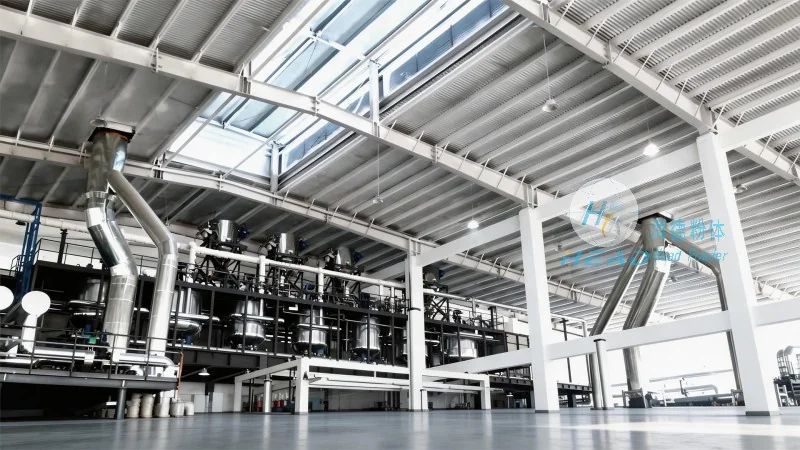
Core Components of Air-Driven Quicklime Transportation
The air-driven quicklime transportation system is a sophisticated setup designed to move quicklime powder through a pipeline using air pressure. The primary components include the quicklime storage silo, the air compressor system, the conveying pipeline, and the dust collection and control equipment. Each component plays a critical role in ensuring the system operates efficiently and safely.
Firstly, the quicklime storage silo is a large, airtight container where the quicklime is stored before transportation. This silo is equipped with a hopper and a rotary valve that controls the flow of quicklime into the conveying pipeline. The design of the silo ensures minimal dust generation and maintains the quality of the quicklime during storage.
Secondly, the air compressor system is responsible for generating the necessary air pressure to move the quicklime particles through the pipeline. High-pressure air is delivered to the pipeline, creating a flow that propels the quicklime. The compressor is typically a positive displacement type, such as a rotary screw or reciprocating compressor, which can handle the demands of continuous operation in industrial settings.
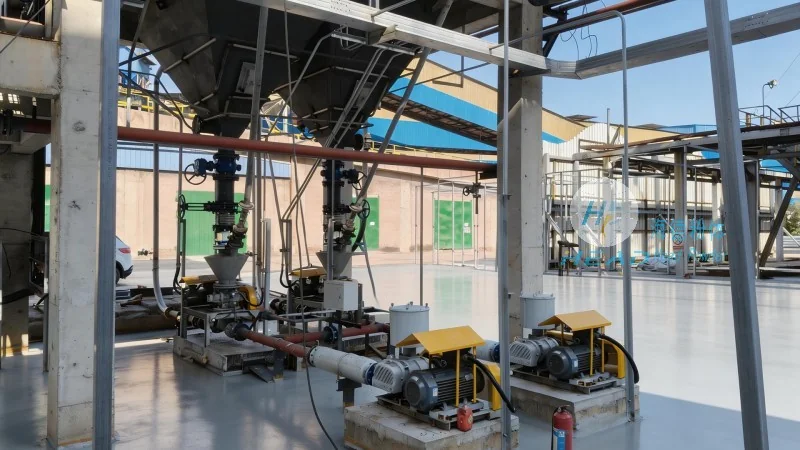
Thirdly, the conveying pipeline is the main channel through which the quicklime travels. It is usually made of stainless steel or other corrosion-resistant materials to withstand the chemical properties of quicklime and the abrasive nature of the powder. The pipeline is equipped with bends, elbows, and other fittings that are designed to minimize pressure loss and ensure smooth flow. The diameter and length of the pipeline are carefully selected based on the required flow rate and the distance to be covered.
Fourthly, the dust collection and control equipment is crucial for maintaining a safe and clean working environment. As quicklime is a fine powder, it can easily become airborne during the transportation process. The system includes cyclone separators, bag filters, or electrostatic precipitators that capture the dust and return it to the pipeline or store it in a designated container. This not only prevents dust pollution but also ensures the quality of the quicklime by preventing contamination from external sources.
Role of Shandong HeadPowder Engineering Co., Ltd. in Quicklime Transportation
Shandong HeadPowder Engineering Co., Ltd., operating under the brand name headpowder, specializes in the design, manufacturing, and installation of air-driven quicklime transportation systems. With a strong presence in China, particularly in Shandong province, the company leverages its expertise to provide customized solutions tailored to the specific needs of clients in various industries, including steel, chemical, and power generation.
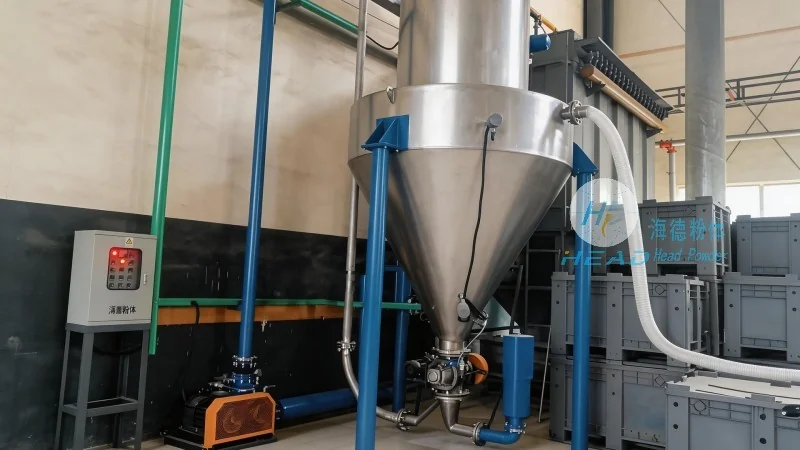
The company’s approach to quicklime transportation focuses on integrating advanced technology with robust engineering. By using high-quality materials and precision manufacturing, headpowder ensures that its systems are durable, efficient, and compliant with industry standards. The company’s team of engineers and technicians work closely with clients to assess their requirements, from the size of the storage silo to the length of the conveying pipeline, and develop a comprehensive solution that maximizes operational efficiency and minimizes downtime.
Headpowder’s commitment to quality is reflected in its adherence to international standards and continuous improvement of its products. The company invests in research and development to stay ahead of industry trends, ensuring that its air-driven quicklime transportation systems are equipped with the latest features and technologies. This includes advanced control systems that allow for real-time monitoring of the system’s performance, automatic shutdown in case of abnormal conditions, and energy-saving measures that reduce operational costs.
Key Features and Benefits of Air-Driven Quicklime Transportation
Implementing an air-driven quicklime transportation system offers several advantages over traditional methods such as belt conveyors or truck transport. One of the main benefits is the ability to transport quicklime over long distances without the need for intermediate storage or handling. This reduces the risk of material loss and contamination, as the quicklime remains in a closed system from the storage silo to the destination point.
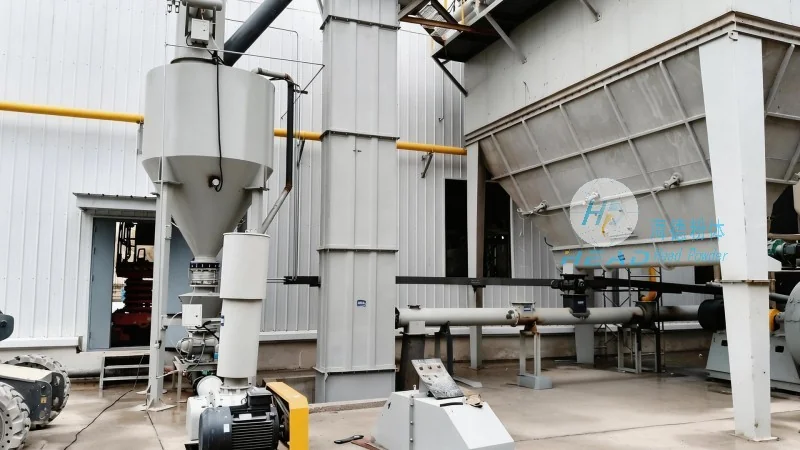
Another significant benefit is the reduction in labor costs and operational time. Unlike manual handling or truck transport, which require frequent loading and unloading, the air-driven system operates continuously, allowing for a steady and consistent flow of quicklime. This not only increases productivity but also improves safety by minimizing the need for workers to handle the powder directly.
The system also contributes to environmental sustainability by reducing dust emissions and minimizing the carbon footprint associated with transportation. The closed pipeline design prevents dust from being released into the environment, and the energy-efficient operation of the compressor system reduces energy consumption compared to traditional methods. Additionally, the system’s ability to handle large volumes of quicklime efficiently makes it an ideal solution for industrial applications where high throughput is required.
Conclusion
In summary, the air-driven quicklime transportation system consists of several critical components, including the storage silo, air compressor, conveying pipeline, and dust control equipment. These components work together to ensure the efficient and safe transport of quicklime. Shandong HeadPowder Engineering Co., Ltd., with its expertise and commitment to quality, provides comprehensive solutions for clients seeking to implement such systems. The benefits of air-driven transportation, including increased efficiency, reduced labor costs, and environmental sustainability, make it a preferred choice in the industry. By understanding the components and advantages of this technology, businesses can make informed decisions to enhance their operations and achieve their production goals.