

[AIR-FLOW TRANSPORT OF TEXTILE FIBERS: WHAT IT COMPRIS]
Understanding the components of air-flow transport for textile fibers is crucial for optimizing material handling processes in the textile industry. Shandong HeadPowder Engineering Co., Ltd., a leading manufacturer in the field, specializes in designing and manufacturing efficient air-flow transport systems tailored to the unique needs of textile operations. This method, also known as pneumatic conveying, involves the movement of fibers through a pipeline using air pressure. The system's efficiency and effectiveness depend on several key components that work in harmony to ensure smooth operation.
Core Components of the Air-Flow Transport System
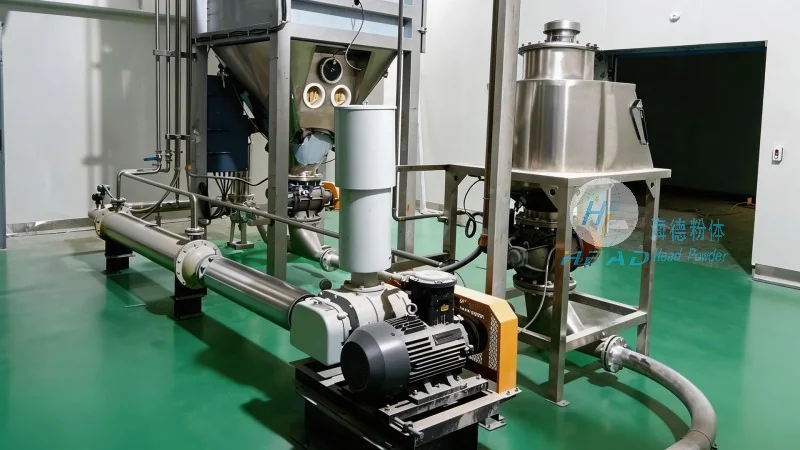
The air-flow transport system for textile fibers typically consists of several essential parts. The primary components include a material feeding device, a conveying pipeline, a pressure vessel or receiver, and a blower or air compressor. Each component plays a vital role in the overall functionality of the system, and their proper selection and integration are critical for achieving optimal performance.
Material Feeding Device
The material feeding device is responsible for introducing textile fibers into the conveying pipeline. This component ensures a consistent and controlled flow of fibers to prevent blockages or uneven distribution. Common feeding methods include screw feeders, rotary valves, and hopper feeders, which are designed to handle various types of fibers with different properties, such as length, fineness, and moisture content. The feeding device must be capable of handling the specific characteristics of the textile fibers to maintain system performance. For example, a screw feeder may be used for short fibers with low moisture content, while a rotary valve is suitable for longer fibers or those with higher moisture levels. The choice of feeding device depends on the fiber type and the desired flow rate, ensuring that the system operates efficiently without causing excessive wear or clogging.
Conveying Pipeline
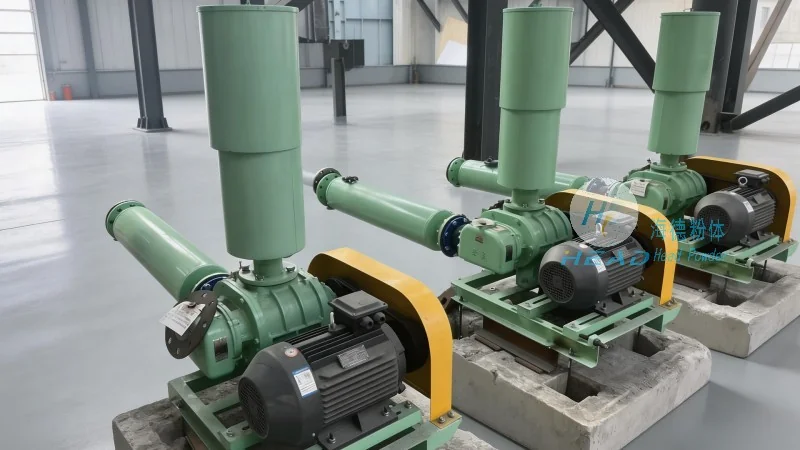
The conveying pipeline is the main channel through which the textile fibers are transported. It is typically made of materials like stainless steel or plastic, chosen for their resistance to corrosion and wear from the fibers. The pipeline's design, including its diameter and length, is critical for determining the system's capacity and efficiency. The pipeline may also include bends, elbows, and other fittings that facilitate the smooth movement of fibers through the system. Proper maintenance of the pipeline is essential to prevent clogging and ensure consistent flow rates. For instance, regular cleaning and inspection of the pipeline can help identify and address issues like fiber buildup or corrosion, which could otherwise lead to system downtime or reduced performance.
Pressure Vessel or Receiver
The pressure vessel or receiver is a storage unit that collects the conveyed fibers after they exit the pipeline. This component is designed to handle the pressure and volume of the fibers being transported. It often includes a hopper or bin that allows for easy discharge of the fibers into subsequent processing equipment. The receiver may also be equipped with a dust collection system to control airborne particles and maintain a clean working environment. The design of the receiver must consider factors like fiber moisture content and potential for static buildup to prevent issues like fiber accumulation or static discharge. For example, a receiver with a larger hopper capacity may be used for high-volume operations, while a smaller receiver is suitable for smaller-scale processing. The material of the receiver, such as stainless steel or coated steel, is chosen based on the fiber's chemical properties and the need for corrosion resistance.
Blower or Air Compressor
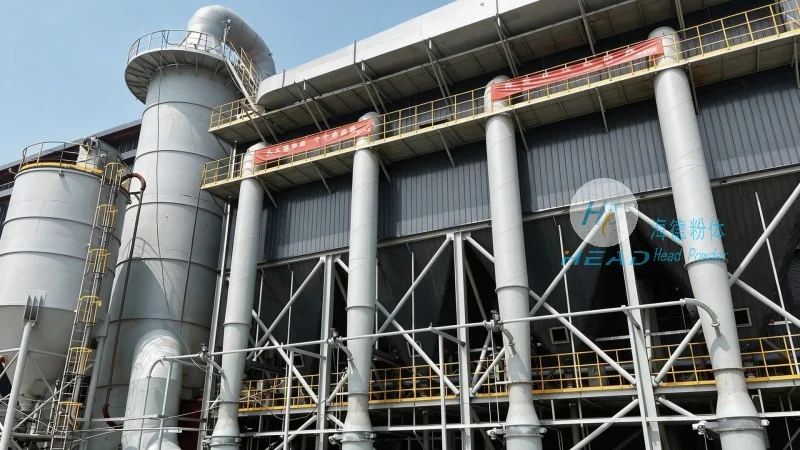
The blower or air compressor is the power source that generates the air pressure needed to move the textile fibers through the pipeline. This component is responsible for creating the necessary airflow and pressure to overcome resistance in the pipeline and ensure the fibers are transported efficiently. The choice of blower or compressor depends on the system's requirements, including the type of fibers, conveying distance, and desired flow rate. High-efficiency models are often preferred to minimize energy consumption and operating costs. Regular maintenance of the blower or compressor is essential to ensure consistent performance and prevent breakdowns. For example, cleaning the air filter and checking the motor's condition can help maintain optimal performance and extend the equipment's lifespan.
Control and Monitoring Systems
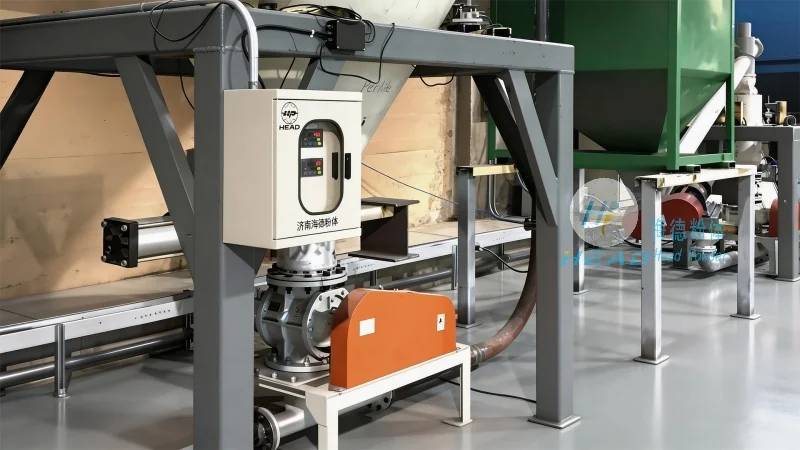
In addition to the primary components, modern air-flow transport systems for textile fibers often include control and monitoring systems. These systems help manage the operation of the equipment, ensuring optimal performance and preventing issues like overloading or system failures. Control systems may include sensors for monitoring pressure, flow rate, and temperature, as well as automated controls for adjusting the feeding rate or air pressure as needed. Monitoring systems provide real-time data on system performance, allowing operators to identify and address problems quickly. These systems enhance the reliability and efficiency of the air-flow transport process, reducing downtime and improving overall productivity. For instance, a control system that adjusts the air pressure based on the fiber flow rate can help maintain consistent performance even when the fiber load changes.
Additional Components and Considerations
Depending on the specific application and fiber characteristics, additional components may be included in the air-flow transport system. For example, some systems may incorporate filters or cyclones to remove dust or debris from the fibers before they are processed. Others may include static eliminators to prevent static buildup, which can be a problem with certain types of fibers. The selection of these additional components depends on the specific requirements of the textile processing operation and the properties of the fibers being handled. For instance, a filter may be used to remove fine particles from the fibers, improving the quality of the final product, while a static eliminator is essential for fibers that are prone to static discharge, which could cause issues like fiber entanglement or equipment damage.
Overall, the air-flow transport system for textile fibers is a complex but efficient method for handling and moving fibers. By understanding the key components and their functions, textile manufacturers can optimize their material handling processes, improving productivity and reducing operational costs. The system's effectiveness depends on the proper selection and maintenance of each component, as well as the integration of control and monitoring systems to ensure consistent performance. Shandong HeadPowder Engineering Co., Ltd. provides comprehensive solutions for air-flow transport systems, ensuring that textile operations can achieve high efficiency and reliability in their material handling processes.