

What is Carbonaceous Particle Pneumatic Conveying? An Introduction to the Working Principle of Powde
Carbonaceous particle pneumatic conveying is a critical technology in the field of powder handling, enabling the efficient and reliable transport of carbon-based materials such as carbon black, activated carbon, and other fine powders. This method utilizes compressed air or other gas to move bulk materials through a pipeline system, offering advantages like low maintenance, flexibility in layout, and the ability to handle materials that are sensitive to moisture or contamination. Understanding the working principle of such systems is essential for industries that rely on the consistent and safe movement of these materials.
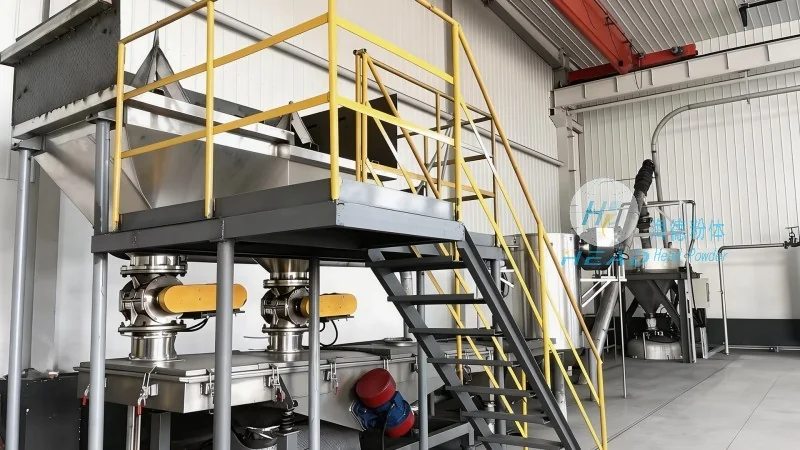
Overview of Pneumatic Conveying Systems
Pneumatic conveying systems are designed to transport dry powders and granules using a gas stream. The core components typically include a material feed hopper, a conveying line (often equipped with bends and straight sections), a gas source (like a blower or compressor), and a discharge point. The system operates by introducing a controlled volume of air into the conveying line, creating a flow that lifts and propels the particles through the pipeline. This process is particularly effective for carbonaceous materials, which are often fine and can be prone to caking or agglomeration if not handled properly.
Key Components and Their Functions
The efficiency of a carbonaceous particle pneumatic conveying system depends on several key components, each playing a vital role in the overall operation:
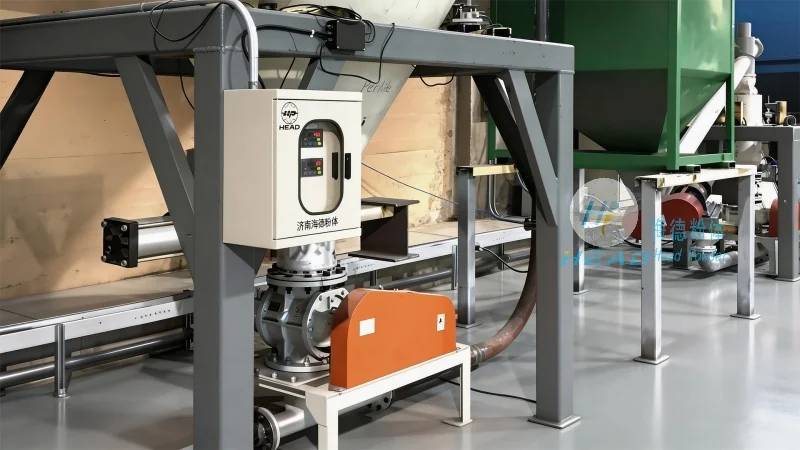
1. Material Feed Hopper: This component holds the carbonaceous powder and provides a controlled feed to the conveying line. It often includes a feeder mechanism, such as a rotary valve or a screw feeder, to regulate the flow rate and prevent material buildup. For carbon-based materials, the hopper is typically designed to minimize exposure to air and moisture, ensuring the material remains in optimal condition.
2. Conveying Line: The pipeline system is the main pathway for the material and air mixture. It is usually made of materials like stainless steel or plastic, chosen for their resistance to corrosion and wear from the carbonaceous particles. The line may include features like expansion joints to accommodate thermal changes and bends with smooth transitions to maintain the flow efficiency and prevent particle degradation.
3. Air Source (Blower/Compressor): A high-pressure air source is essential to generate the necessary airflow to move the particles. The choice between a positive displacement blower and a centrifugal compressor depends on the system's requirements, such as the distance and volume of material to be conveyed. For carbonaceous materials, the air source must be capable of delivering clean, dry air to avoid contamination and ensure the material's quality is maintained.
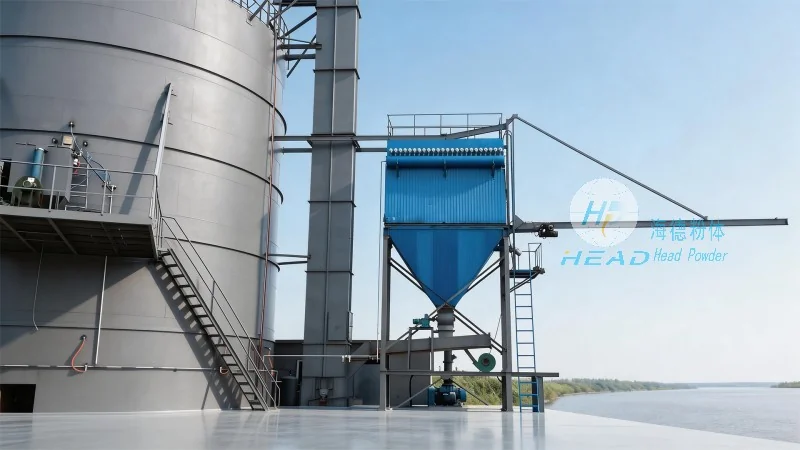
4. Discharge Unit: At the end of the conveying line, the material is discharged into a receiving vessel or processing equipment. This unit may include a filter or separator to remove any entrained air and ensure the material is delivered in a controlled manner. For carbon-based powders, the discharge unit is often designed to minimize dust emissions and prevent re-entrainment of particles.
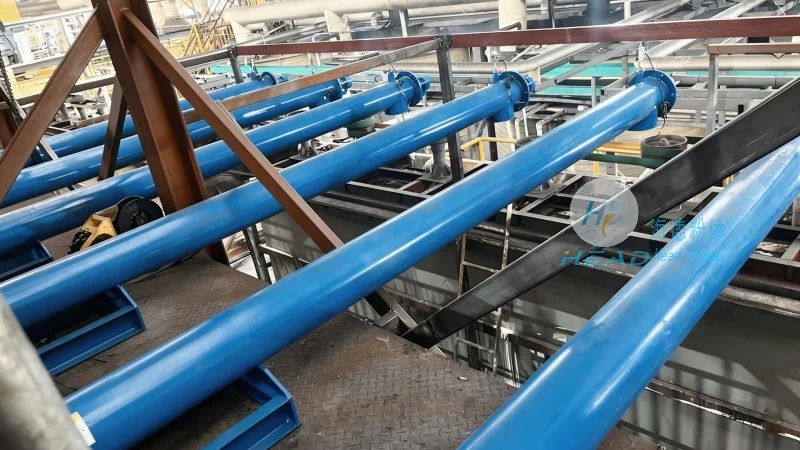
Working Principle of Pneumatic Conveying
The working principle of a carbonaceous particle pneumatic conveying system involves several stages, each contributing to the efficient transport of the material:
Stage 1: Material Intake and Feeding: The carbonaceous powder is fed from the hopper into the conveying line. The feeder mechanism ensures a consistent flow rate, preventing overloading or underfeeding that could disrupt the system's performance. For fine carbon powders, this stage is critical to avoid clogging or uneven flow.
Stage 2: Air Injection and Particle Suspension: Compressed air is introduced into the conveying line, creating a high-velocity gas stream. The air flow lifts the carbonaceous particles and suspends them in the air stream. The velocity of the air must be sufficient to overcome the gravitational force acting on the particles and maintain their suspension throughout the pipeline.
Stage 3: Transport Through the Pipeline: The air-particle mixture travels through the conveying line, which may include bends, vertical sections, and horizontal runs. The design of the pipeline, including the angle of bends and the length of straight sections, affects the system's efficiency and the potential for particle degradation. For carbon-based materials, the pipeline is often designed with smooth surfaces and minimal obstructions to prevent particle abrasion and maintain product quality.
Stage 4: Material Separation and Discharge: At the discharge point, the air and particles are separated. The air may be filtered to remove any residual particles, and the carbonaceous material is collected in the receiving vessel. The discharge unit ensures that the material is delivered in a controlled manner, without excessive dust or loss of material.
Advantages of Carbonaceous Particle Pneumatic Conveying
Compared to other powder handling methods, such as mechanical conveying or gravity flow, carbonaceous particle pneumatic conveying offers several advantages that make it a preferred choice for many industries:
1. Low Maintenance and Reduced Downtime: Pneumatic systems have fewer moving parts compared to mechanical conveyors, leading to lower maintenance requirements and reduced downtime. This is particularly beneficial for continuous production processes that rely on the consistent supply of carbonaceous materials.
2. Flexibility in Layout: The pipeline system can be easily reconfigured or extended to accommodate changes in production needs or facility layout. This flexibility allows for the integration of multiple processing units or the expansion of the conveying network without significant structural modifications.
3. Ability to Handle Sensitive Materials: Pneumatic conveying is ideal for materials that are sensitive to moisture, oxidation, or contamination. The enclosed pipeline system prevents exposure to the environment, ensuring the carbonaceous powder remains in its original state. This is crucial for applications where the material's properties, such as its surface area or reactivity, must be preserved.
4. Cost-Effectiveness: While the initial investment for a pneumatic conveying system may be higher than some mechanical alternatives, the long-term operational costs are often lower due to reduced maintenance and the ability to handle a wide range of materials efficiently. For large-scale production of carbon-based products, the cost savings from improved efficiency and reduced material loss can be substantial.
Applications in Carbon-Based Industries
Carbonaceous particle pneumatic conveying is widely used in various industries that rely on the processing and transport of carbon-based materials. Some common applications include:
1. Carbon Black Production: In the production of carbon black, which is used as a pigment and reinforcing agent in rubber and plastics, pneumatic conveying is used to transport raw materials and finished products between processing units. The system ensures that the fine carbon black particles are handled without agglomeration or degradation.
2. Activated Carbon Manufacturing: Activated carbon, used in water treatment, air purification, and chemical processes, is often produced in fine powders. Pneumatic conveying systems are used to transport activated carbon from reactors to drying and packaging units, maintaining the material's porous structure and adsorption properties.
3. Carbon Fiber and Graphite Processing: In the production of carbon fibers and graphite, fine carbon powders are used as raw materials. Pneumatic conveying enables the efficient transport of these materials between production stages, such as mixing, extrusion, and curing, without compromising their quality.
4. Chemical and Pharmaceutical Industries: Many chemical and pharmaceutical processes involve the use of carbon-based powders, such as carbonates or carbon-based catalysts. Pneumatic conveying systems are used to transport these materials safely and efficiently, ensuring compliance with regulatory standards for material handling and environmental protection.
Considerations for System Design and Operation
Designing and operating a carbonaceous particle pneumatic conveying system requires careful consideration of several factors to ensure optimal performance and longevity:
1. Material Properties: The physical and chemical properties of the carbonaceous powder, such as particle size, density, and moisture content, significantly affect the system's design. For example, fine particles may require higher air velocities to maintain suspension, while larger particles may need a different feeder mechanism to prevent clogging.