

Introduction to Sulfur Pneumatic Conveying and the Working Principle of Pneumatic Conveying Systems
When it comes to transporting bulk materials like sulfur efficiently and safely, pneumatic conveying systems offer a reliable solution. This article provides an overview of sulfur pneumatic conveying, explaining the fundamental principles behind these systems and how they operate to move sulfur from one location to another.
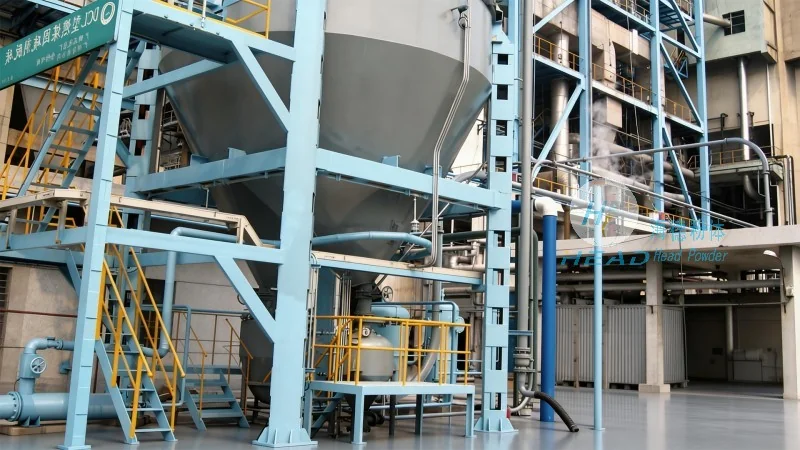
Understanding Pneumatic Conveying Technology
Pneumatic conveying technology involves the use of air or gas to transport solid materials through a pipeline. In the context of sulfur, which is often handled as a solid, the system typically operates by creating a flow of air that carries the sulfur particles along the conveying line. This method is particularly effective for materials that are difficult to handle with traditional methods, such as those that are dusty, corrosive, or require precise control over the flow rate.
The Working Principle of Pneumatic Conveying Systems
The core of any pneumatic conveying system is the ability to transport material using air or gas as the conveying medium. In the case of sulfur, the system typically involves a combination of positive and negative pressure to move the material through a pipeline. The process begins with the sulfur being fed into a hopper or feeder, where it is then introduced into the conveying line. Air is then introduced, either by creating a vacuum (negative pressure) or by blowing air (positive pressure), to create a flow that carries the sulfur particles along the pipeline. The system is designed to ensure that the sulfur moves smoothly without clogging or causing damage to the equipment. The control system monitors the pressure and flow rate, adjusting as needed to maintain optimal performance and prevent issues such as blockages or excessive wear on components.
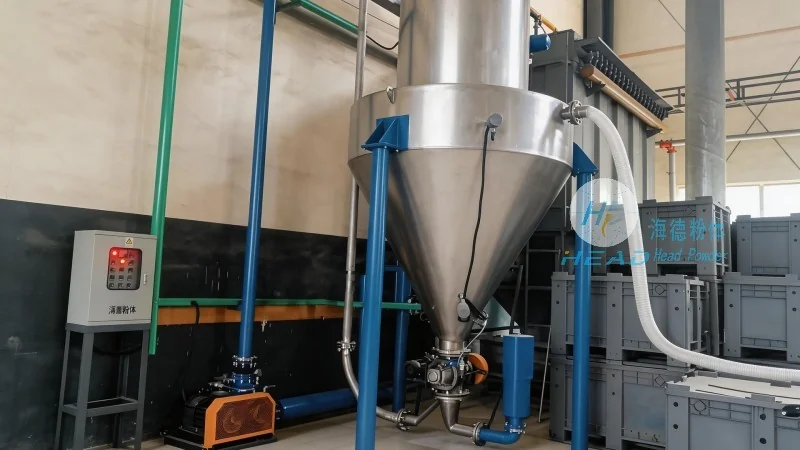
Key Components in Sulfur Pneumatic Conveying
Several key components are essential for the proper functioning of a sulfur pneumatic conveying system. These include the material feeder, which controls the flow of sulfur into the system; the conveying line, which is typically made of materials resistant to sulfur's corrosive properties, such as stainless steel or special coatings; the air or gas source, which provides the necessary pressure or vacuum; and the control system, which monitors and adjusts the flow to maintain optimal performance. Additionally, filters and cyclones may be used to separate the sulfur from the air, ensuring that the system remains clean and efficient. The feeder is designed to handle the specific characteristics of sulfur, such as its density and flowability, while the conveying line is constructed to withstand the corrosive effects of sulfur and the abrasive nature of the material over time.
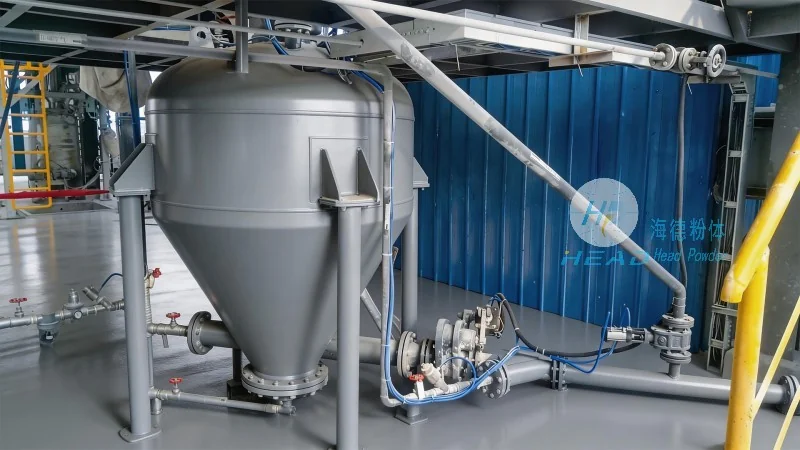
Applications and Benefits of Sulfur Pneumatic Conveying
Sulfur pneumatic conveying systems are widely used in various industries, including chemical manufacturing, where sulfur is a key raw material for producing sulfuric acid and other chemicals. The benefits of using pneumatic conveying for sulfur include improved safety, as the material is contained within the pipeline, reducing the risk of dust explosions or exposure to workers. It also offers greater efficiency compared to traditional methods like belt conveyors or trucks, as it can transport sulfur over longer distances with less energy consumption. Furthermore, the system allows for precise control over the flow rate, ensuring that the sulfur is delivered to the desired location at the right time and in the right quantity. This level of control is particularly important in processes where the sulfur is used as an intermediate in chemical reactions, as any variation in the flow rate can affect the quality of the final product.
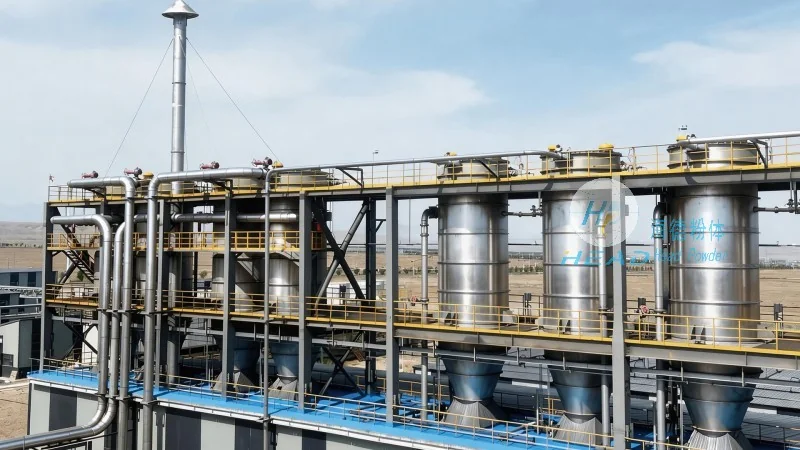
About Shandong HeadPowder Engineering Co., Ltd.
Shandong HeadPowder Engineering Co., Ltd., operating under the brand name headpowder, is a leading provider of pneumatic conveying solutions for bulk materials. With years of experience in the industry, the company specializes in designing, manufacturing, and installing customized pneumatic conveying systems tailored to the specific needs of clients. Headpowder's team of experts works closely with customers to understand their requirements and develop solutions that meet their operational and safety standards. The company is committed to providing high-quality equipment and services, ensuring that clients receive reliable and efficient systems for their sulfur and other bulk material handling needs. Headpowder's expertise in material handling and pneumatic conveying technology has enabled the company to serve a wide range of industries, including chemicals, food processing, and pharmaceuticals.
Contact Information and Location
Headpowder is located in Shandong, China, and serves clients both domestically and internationally. The company's headquarters is situated in a strategic location, allowing for easy access to major transportation routes and enabling efficient delivery of products and services. By choosing headpowder, clients can benefit from the company's expertise and experience in the field of pneumatic conveying, ensuring that their sulfur handling operations are optimized for performance and safety. The company's commitment to quality and customer satisfaction has earned it a reputation as a trusted partner in the bulk material handling industry.