

Introduction to Water-in-Powder Pneumatic Conveying and the Working Principle of Pneumatic Conveying
Water-in-powder pneumatic conveying represents a sophisticated industrial technique designed to transport powdered materials through pipelines using a combination of air and water. This method is particularly advantageous for handling materials that are challenging to convey via conventional dry pneumatic systems, such as fine powders, abrasive particles, or substances prone to dusting or caking. The process involves injecting water into the powder stream, which helps to create a slurry that flows more smoothly through the conveying line. This approach not only enhances the efficiency of material transport but also reduces the risk of equipment wear and material degradation, making it a preferred choice for many industries.
Working Principle of Pneumatic Conveying Systems
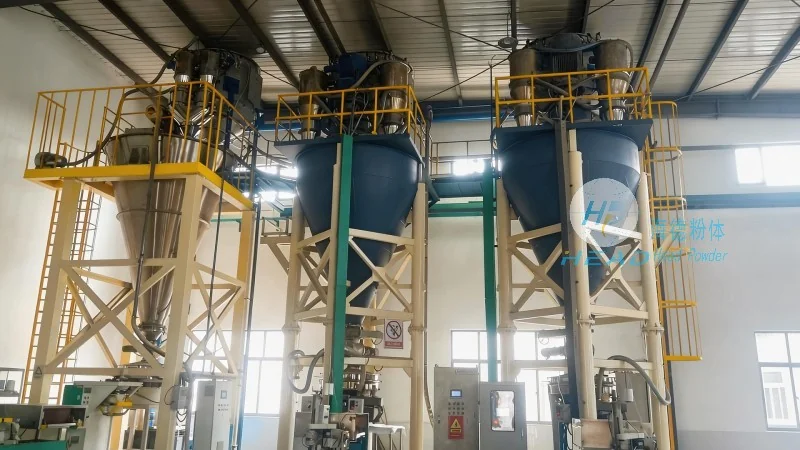
The fundamental operation of a pneumatic conveying system revolves around the use of air pressure to move materials. In a typical setup, the material is fed into a hopper or feeder, where it is then introduced into a pipeline. Here, the material is mixed with a carrier gas—most commonly air—and sometimes water or other liquids. The air pressure generates a flow that propels the material forward. There are two primary types of pneumatic conveying systems: dilute phase and dense phase. Dilute phase systems operate at higher velocities and lower pressure, making them suitable for short distances and lighter materials. Dense phase systems, conversely, utilize lower velocities and higher pressure to move materials more slowly and with greater control, which is ideal for handling abrasive or sensitive materials that require careful handling.
Company Overview: Shandong HeadPowder Engineering Co., Ltd.
HeadPowder, a prominent player in the field of pneumatic conveying solutions, is committed to delivering innovative and efficient systems for industrial material handling. Headquartered in Shandong, China, the company specializes in designing, manufacturing, and installing water-in-powder pneumatic conveying systems tailored to meet the specific needs of various industrial sectors. The company's expertise lies in understanding the unique challenges of different powders and tailoring the conveying systems to ensure optimal performance, reliability, and cost-effectiveness. By leveraging advanced engineering principles and customer-focused solutions, HeadPowder has established itself as a trusted partner for businesses seeking reliable material transport solutions that enhance operational efficiency and product quality.
Key Features and Benefits of Water-in-Powder Pneumatic Conveying
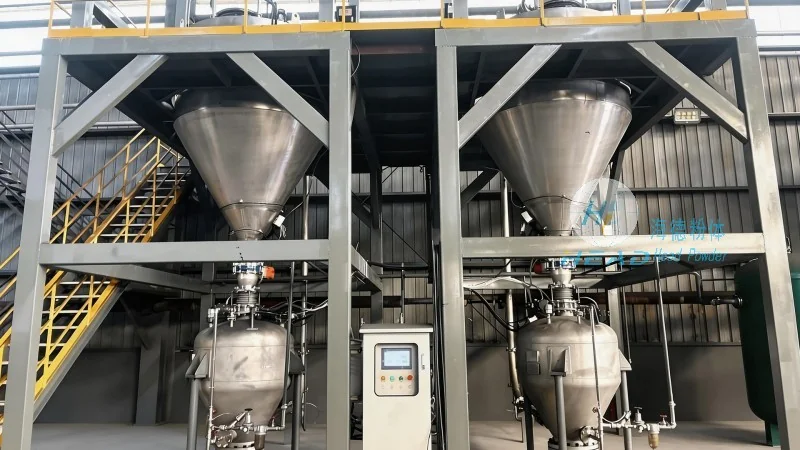
Implementing water-in-powder pneumatic conveying offers several distinct advantages over traditional dry conveying methods. One of the primary benefits is the reduction in material degradation and dust generation, which is critical for maintaining product purity and safety. The moisture content from the water helps to bind powder particles together, preventing them from sticking to equipment surfaces or forming clumps that could cause blockages. Additionally, this method reduces the wear and tear on conveying components, extending the lifespan of the system and lowering long-term maintenance costs. The ability to handle a wide range of materials, including those that are difficult to transport dry, makes water-in-powder systems versatile and adaptable to various industrial applications. Furthermore, the system's design allows for precise control over the conveying process, ensuring consistent material flow and minimizing the risk of system failures or operational disruptions.
Applications in Industrial Settings
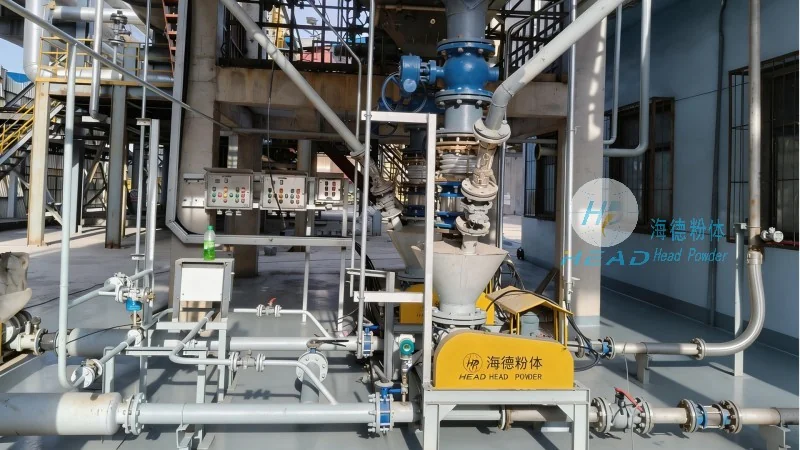
Water-in-powder pneumatic conveying systems are widely utilized across multiple industries due to their adaptability and efficiency. In the pharmaceutical industry, for example, these systems are employed to transport fine powders without compromising product purity or causing contamination. The controlled environment and reduced dust exposure are essential for maintaining compliance with stringent regulatory standards. In the food processing sector, similar systems are used to handle ingredients like flour, sugar, or spices, ensuring that the materials remain fresh and free from contamination, which is vital for consumer safety and product quality. The chemical industry also benefits from these systems when handling abrasive or reactive powders, as the water helps to mitigate the effects of these materials on the equipment, reducing the risk of damage or system failure. Additionally, in the mining and mineral processing industries, water-in-powder systems are used to transport ore and other mineral powders, improving the overall efficiency of the extraction and processing operations by ensuring consistent material flow and minimizing downtime.
System Components and Design Considerations
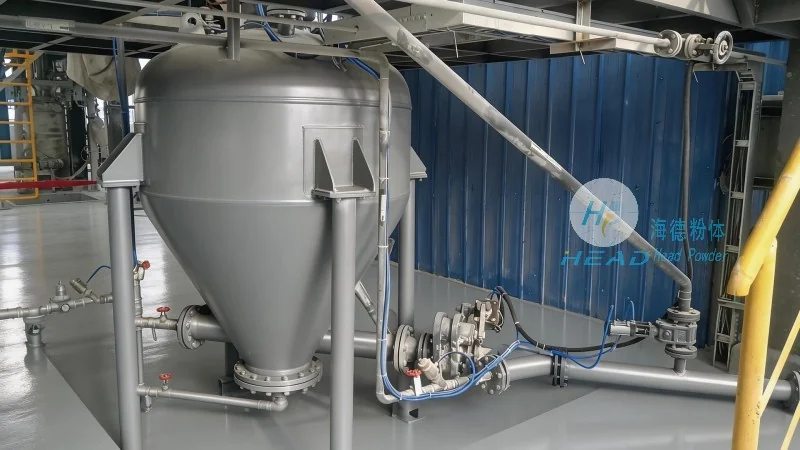
The effectiveness of a water-in-powder pneumatic conveying system depends on several key components and thoughtful design considerations. The hopper or feeder is the initial point where the material is introduced into the system, and it must be designed to handle the specific characteristics of the powder, such as flowability and moisture content. The pump or blower that provides the air pressure is another critical component, as it must be capable of generating the necessary pressure and flow rate to move the material through the pipeline. The pipeline itself is typically made of materials that can withstand the corrosive effects of the water and the abrasive nature of the powder, such as stainless steel or specialized plastic composites. The system also includes control valves and sensors that monitor the flow rate, pressure, and other parameters to ensure optimal operation. Design considerations also include the system's layout, which must be planned to minimize pressure losses and ensure smooth material flow. Proper sizing of the pipeline and the use of appropriate fittings are essential to prevent blockages and maintain the efficiency of the conveying process. Additionally, the integration of filtration and drying systems may be necessary to manage moisture levels and prevent material buildup in downstream processes.
Maintenance and Operational Tips
Proper maintenance and operational practices are essential to ensure the longevity and efficiency of a water-in-powder pneumatic conveying system. Regular cleaning of the hopper, feeder, and pipeline is crucial to prevent the buildup of material and reduce the risk of blockages. The water and air supply systems should be checked regularly to ensure they are functioning correctly and providing the necessary pressure and flow. Monitoring the system's performance, including flow rates and pressure readings, can help identify potential issues before they become major problems. Additionally, training operators on the proper use and maintenance of the system is important to ensure consistent and reliable operation. By following these maintenance and operational tips, businesses can maximize the lifespan of their conveying systems and minimize downtime, ultimately improving their overall productivity and cost-effectiveness. Regular inspections of components like pumps, valves, and pipelines can also help detect wear and tear early, allowing for timely repairs and preventing costly system failures.