

Introduction to Glass Powder Pneumatic Conveying and the Working Principle of Pneumatic Conveying Sy
Understanding the fundamentals of pneumatic conveying systems, particularly for glass powder, is crucial for industries that rely on efficient material handling. Glass powder, with its unique properties such as fine particle size and potential for static charge, requires specialized equipment to ensure safe and effective transport. This article provides an overview of pneumatic conveying systems designed for glass powder, detailing their working principles and the engineering solutions offered by Shandong HeadPowder Engineering Co., Ltd. based in China.
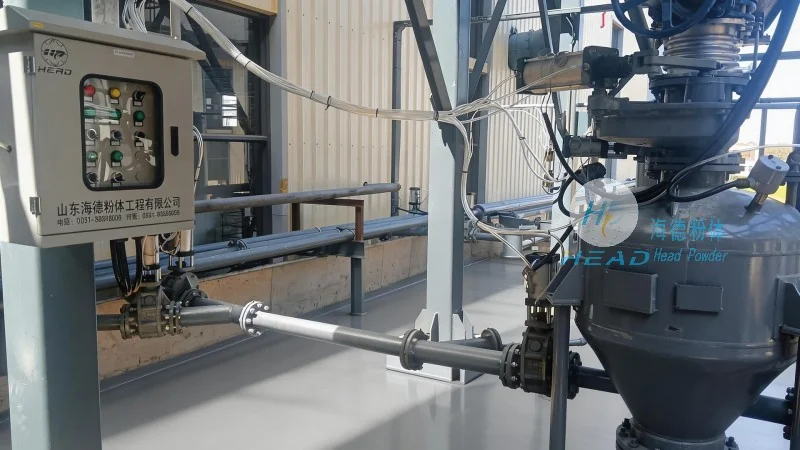
HeadPowder, a leading provider in the field, specializes in the design, manufacturing, and implementation of advanced pneumatic conveying systems tailored to the demands of glass powder processing. The company's expertise lies in addressing the challenges associated with handling fine, abrasive, and potentially hazardous materials like glass powder, ensuring optimal performance and reliability in industrial applications.
Key Components of a Pneumatic Conveying System for Glass Powder
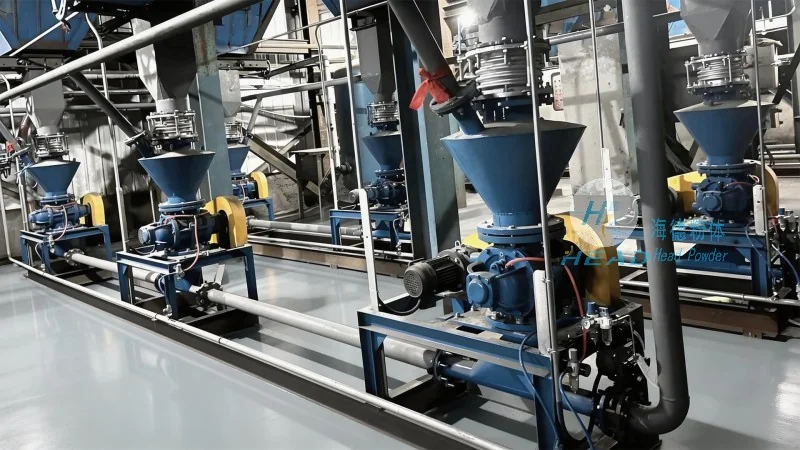
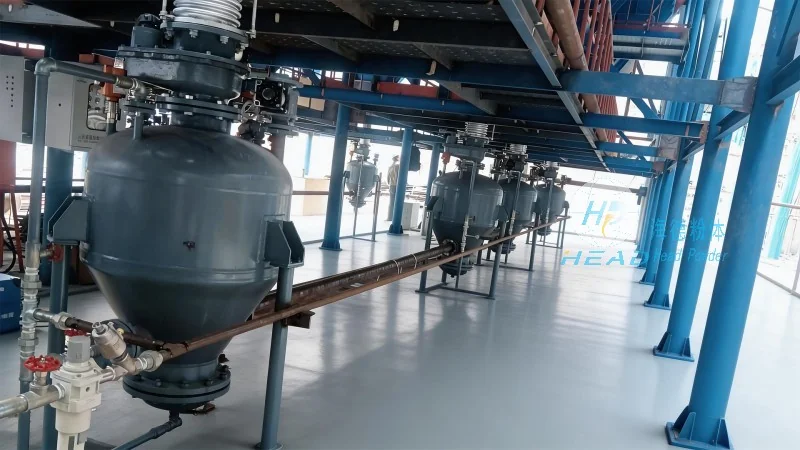
A typical pneumatic conveying system for glass powder consists of several critical components that work in concert to achieve efficient material transport. These components include the material feed hopper, which holds the glass powder and regulates its flow into the system; the air supply unit, which generates the necessary air pressure or vacuum to move the material; the conveying line, which can be either a positive pressure or negative pressure system depending on the application; and the discharge equipment, which delivers the glass powder to its final destination. Each component is carefully engineered to handle the specific characteristics of glass powder, such as its low bulk density and tendency to create dust or static.
The Working Principle of Pneumatic Conveying for Glass Powder
The core principle of pneumatic conveying involves using air to transport solid particles through a pipeline. In a positive pressure system, compressed air is introduced into the material feed hopper, creating a pressure differential that forces the glass powder into the conveying line. The air then carries the particles through the pipeline to the discharge point. In a negative pressure (or vacuum) system, a vacuum is created at the discharge end, drawing the glass powder from the feed hopper through the line. For glass powder, the choice between positive and negative pressure depends on factors like the distance to be conveyed, the material's flowability, and the need to minimize dust emissions.
Engineering Solutions by Shandong HeadPowder Engineering Co., Ltd.
Shandong HeadPowder Engineering Co., Ltd., headquartered in China, leverages decades of experience to develop customized pneumatic conveying solutions for glass powder applications. The company's engineers work closely with clients to assess their specific operational requirements, including the volume of glass powder to be handled, the distance of transport, and the desired discharge characteristics. By integrating advanced materials and design techniques, HeadPowder ensures that their systems are not only efficient but also durable and low-maintenance, addressing the unique challenges posed by glass powder's abrasive nature and potential for static buildup.
Advantages of Pneumatic Conveying for Glass Powder Handling
Compared to traditional mechanical conveying methods, pneumatic conveying offers several advantages when handling glass powder. These include the ability to transport materials over long distances without the need for multiple transfer points, reduced risk of contamination due to enclosed systems, and lower energy consumption in some cases. Additionally, pneumatic systems can handle varying particle sizes and flow rates, making them versatile for different glass powder applications. The enclosed nature of the system also helps in controlling dust and preventing environmental contamination, which is critical for compliance with industrial regulations.
Conclusion and Application Scope
For industries dealing with glass powder, investing in a well-designed pneumatic conveying system is essential for maintaining operational efficiency and safety. Shandong HeadPowder Engineering Co., Ltd. provides comprehensive solutions that combine advanced technology with practical engineering to meet the specific needs of glass powder handling. By understanding the working principles and key components of such systems, businesses can make informed decisions to enhance their material transport processes and achieve better overall performance.