

What Methods Can Be Used for Polyethylene Pellet Conveying?
For the efficient handling and transportation of polyethylene pellets, various conveying methods are employed in industrial settings. These methods are designed to ensure smooth material flow, minimize downtime, and maintain product integrity throughout the process. Understanding the different options available is crucial for selecting the most suitable solution for specific operational needs.
Gravity Conveying Systems
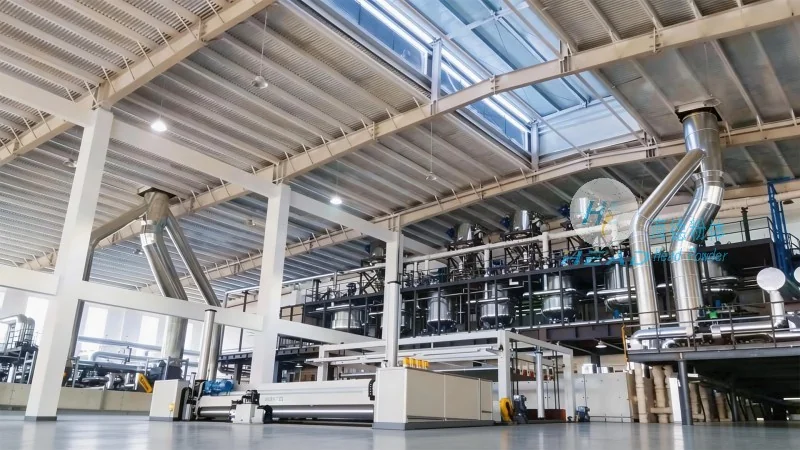
Gravity conveying systems utilize the natural force of gravity to move polyethylene pellets from one location to another. These systems typically consist of inclined chutes or troughs that allow the material to flow downwards without the need for external power. The design of gravity conveyors is often tailored to the specific characteristics of the polyethylene pellets, such as size, density, and shape, to ensure optimal flow rates and prevent blockages. In many cases, gravity conveyors are integrated with other equipment, like hoppers or storage bins, to form a seamless material handling line. The primary advantage of gravity conveying is its energy efficiency, as it does not require motors or other power sources to operate. This makes it an attractive option for applications where power consumption is a concern or where the layout of the facility allows for natural material flow. However, the effectiveness of gravity conveyors is highly dependent on the geometry of the system and the properties of the pellets. For instance, if the pellets are too light or have irregular shapes, they may not flow efficiently through the chute, leading to reduced throughput or even system failures. To mitigate these issues, engineers often incorporate features like vibrators or air-assist mechanisms into gravity conveying systems, which can help maintain consistent flow rates and prevent material buildup.
Pneumatic Conveying Systems
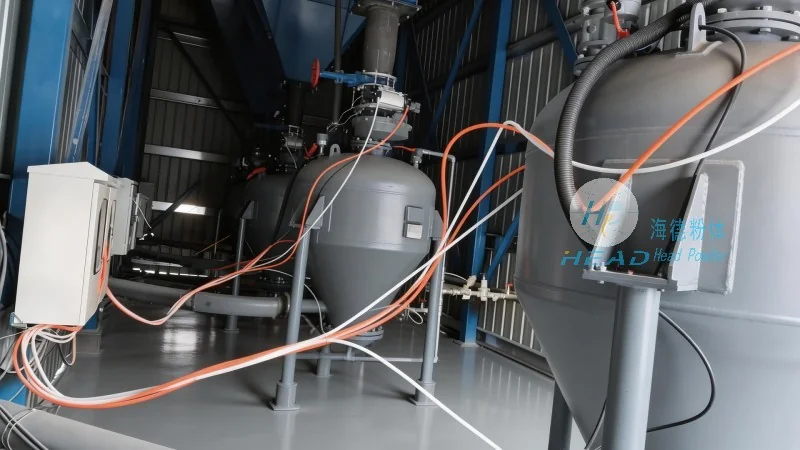
Pneumatic conveying systems employ air or other gases to transport polyethylene pellets through a network of pipes. This method is particularly useful for applications where the material needs to be moved over long distances or through complex layouts, such as between different production lines or across a factory floor. There are two main types of pneumatic conveying systems: dilute-phase and dense-phase. Dilute-phase systems use low air velocities to move the pellets in a suspended state, while dense-phase systems use higher air velocities to push the material in a more compact form. The choice between these two types depends on factors like the distance to be covered, the required flow rate, and the need to minimize product degradation. Pneumatic conveying offers several benefits, including the ability to transport materials in a closed system, which helps maintain cleanliness and prevent contamination. It also allows for the integration of multiple conveying lines from different sources into a single system, improving overall operational efficiency. However, pneumatic systems can be more complex and expensive to install and maintain compared to other methods. They also require careful consideration of air pressure and flow rates to ensure reliable operation. Additionally, the energy consumption of pneumatic systems can be significant, especially for long-distance or high-volume applications. To address these challenges, manufacturers often use advanced control systems and energy-efficient components to optimize performance and reduce operational costs.
Mechanical Conveying Systems
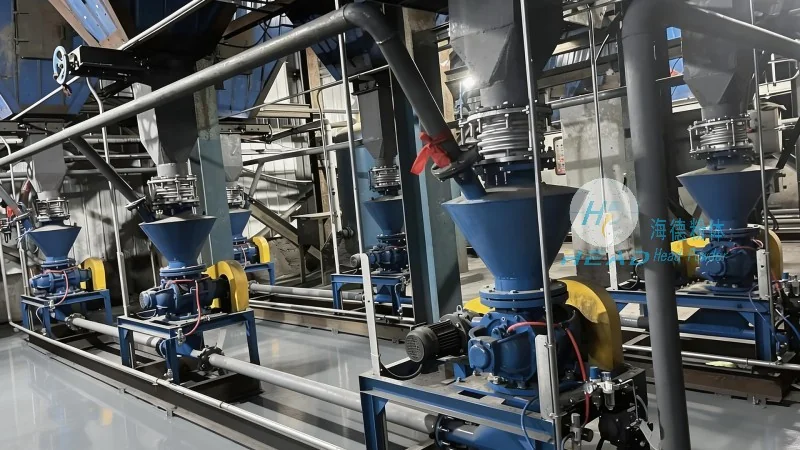
Mechanical conveying systems rely on mechanical components, such as belts, chains, or screws, to move polyethylene pellets. These systems are widely used in various industries due to their versatility and ability to handle a wide range of materials, including polyethylene pellets. One common type of mechanical conveyor is the belt conveyor, which uses a continuous belt to transport the material from one point to another. Belt conveyors are often used for horizontal or slightly inclined applications and can handle large volumes of material with minimal maintenance. Another type is the screw conveyor, which uses a rotating screw to push the pellets forward. Screw conveyors are particularly effective for vertical or inclined applications and can handle materials with varying moisture content or bulk density. Mechanical conveying systems are generally more robust and durable than other methods, making them suitable for heavy-duty industrial applications. They also offer better control over the speed and direction of material flow, which is essential for processes that require precise dosing or sorting. However, mechanical conveyors can be more expensive to install and may require more frequent maintenance compared to gravity or pneumatic systems. They also have limitations in terms of the distance they can effectively convey material, as the friction and wear on the components can increase with longer distances. To improve the performance of mechanical conveyors, engineers often use features like variable speed drives, idler adjustments, and material handling accessories, which can enhance efficiency and extend the lifespan of the equipment.
Combination Conveying Systems
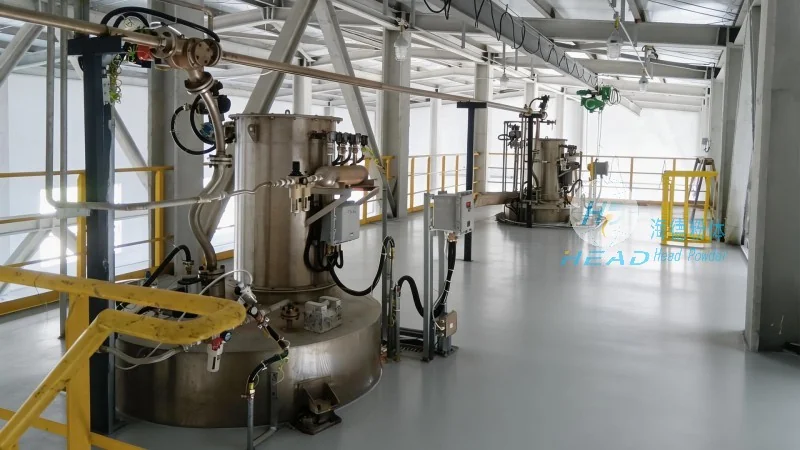
In many industrial applications, a single conveying method may not be sufficient to meet all the requirements of the process. For example, a facility may need to move polyethylene pellets from a storage bin to a processing machine over a short distance, but then transport the finished product over a longer distance to a packaging line. In such cases, combination conveying systems are used, which integrate multiple methods to achieve the desired material flow. A common example is a gravity conveyor followed by a pneumatic system, where the pellets are first moved by gravity and then transferred to a pneumatic line for further transport. Combination systems allow for greater flexibility and adaptability, as they can be tailored to the specific needs of the operation. They also help optimize the overall material handling process by minimizing the number of transfers and reducing the risk of material loss or contamination. However, the design and integration of combination systems can be more complex and require careful planning to ensure smooth operation. Engineers must consider factors like the transition between different systems, the compatibility of the materials, and the overall layout of the facility to avoid bottlenecks or inefficiencies. Despite these challenges, combination conveying systems offer significant advantages in terms of efficiency and reliability, making them a popular choice for modern industrial applications.
Factors to Consider When Choosing a Conveying Method
When selecting a conveying method for polyethylene pellets, several factors must be taken into account to ensure the best performance and cost-effectiveness. The first consideration is the distance and layout of the facility. For short distances and simple layouts, gravity or mechanical conveyors may be sufficient, while for longer distances or complex layouts, pneumatic or combination systems are more appropriate. The second factor is the volume and flow rate of the material. High-volume applications may require larger and more powerful conveying systems, such as dense-phase pneumatic or high-capacity belt conveyors. The third factor is the properties of the polyethylene pellets, including their size, density, and shape. Pellets with irregular shapes or low density may require special handling, such as the use of vibrators or air-assist mechanisms, to ensure smooth flow. The fourth factor is the operational environment, including factors like temperature, humidity, and dust. Some conveying methods, such as pneumatic systems, may be more suitable for dusty or humid environments, as they can help maintain cleanliness and prevent product degradation. The fifth factor is the budget and maintenance requirements. Gravity and mechanical systems are generally more cost-effective to install and maintain, while pneumatic systems may require more frequent maintenance and higher energy costs. By carefully evaluating these factors, manufacturers can select the most suitable conveying method for their specific needs, ensuring efficient and reliable material handling throughout the production process.
Conclusion
In conclusion, the choice of conveying method for polyethylene pellets depends on a variety of factors, including the operational requirements, material properties, and facility layout. Gravity conveying systems offer energy efficiency and simplicity, while pneumatic systems provide flexibility and closed-loop operation. Mechanical conveyors offer robustness and control, and combination systems offer the best of all worlds by integrating multiple methods. By understanding the advantages and limitations of each method, manufacturers can select the most suitable solution to meet their specific needs, ensuring efficient and reliable operation of their polyethylene pellet handling processes. The key to successful polyethylene pellet conveying is to choose a system that is tailored to the unique characteristics of the material and the operational environment, and to maintain it properly to ensure optimal performance over time.