

Introduction to Dry Yeast Pneumatic Conveying and the Working Principle of Pneumatic Conveying Syste
HeadPowder, a leading enterprise in the field of pneumatic conveying technology, specializes in providing efficient and reliable solutions for the transportation of dry yeast. This article provides an overview of dry yeast pneumatic conveying systems, explaining their working principles and the benefits they offer to industries involved in yeast production and processing.
About HeadPowder: A Pioneer in Pneumatic Conveying Solutions
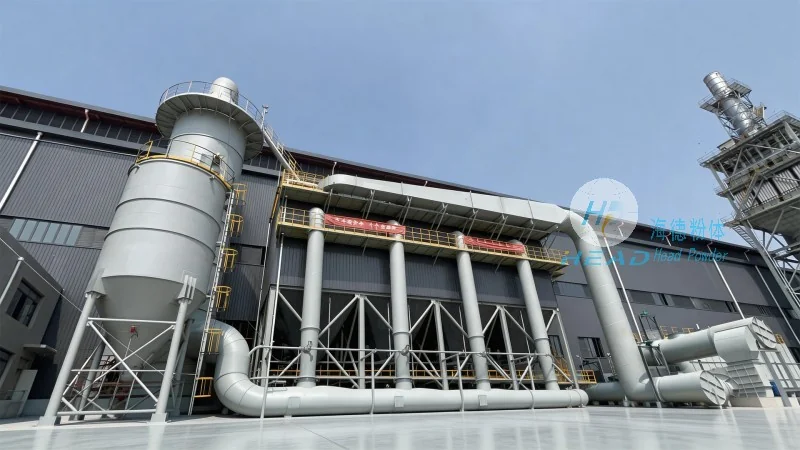
HeadPowder, or Shandong HeadPowder Engineering Co., Ltd., is a professional manufacturer and supplier based in Shandong, China. With years of experience in the engineering and manufacturing of pneumatic conveying equipment, the company has established itself as a trusted partner for businesses seeking advanced solutions for material handling. HeadPowder's commitment to quality, innovation, and customer satisfaction has enabled it to serve a wide range of industries, including food and beverage, pharmaceuticals, and chemical processing.
What is Dry Yeast Pneumatic Conveying?
Dry yeast pneumatic conveying is a method of transporting dry yeast particles through a pipeline using air or other gases as the conveying medium. Unlike traditional mechanical conveying systems, which rely on mechanical components like belts or screws, pneumatic conveying uses the force of air to move materials. This approach is particularly suitable for dry yeast due to its light weight and fine particle size, which can be easily suspended and transported in the air stream.
The Working Principle of Pneumatic Conveying Systems
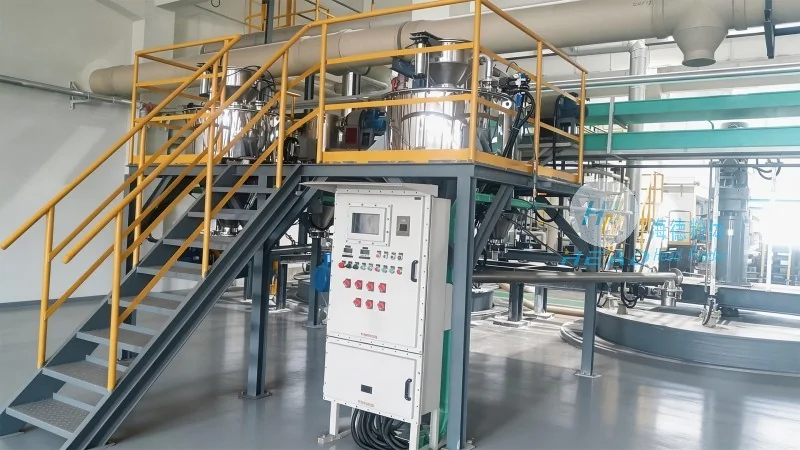
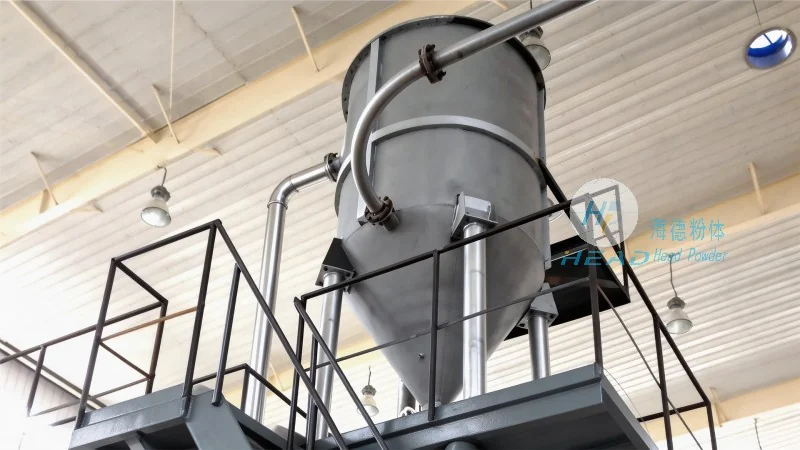
The core of a pneumatic conveying system is the ability to create a flow of air that can carry the dry yeast particles. The process typically involves several key components: a material hopper to store the dry yeast, a conveyor line (usually a pipeline), a blower or compressor to generate the air flow, and a control system to regulate the conveying process. As dry yeast is released from the hopper, it is drawn into the pipeline by the moving air, forming a dense or dilute phase flow depending on the system design.
In dense phase conveying, the air velocity is lower, and the material is carried in a slurry-like state, which reduces particle degradation and ensures a more consistent flow. Dilute phase conveying, on the other hand, uses higher air velocities, allowing for faster transport but with a higher risk of particle attrition. The choice between these two methods depends on the specific requirements of the application, such as the distance to be covered, the desired material quality, and the system's energy efficiency.
Advantages of Dry Yeast Pneumatic Conveying
There are several advantages to using pneumatic conveying for dry yeast transportation. First, it offers a closed system, which helps maintain hygiene and prevents contamination from external sources. This is crucial in industries like food and pharmaceuticals, where product purity is paramount. Second, pneumatic conveying systems are highly flexible, allowing for changes in the conveying route without major modifications to the infrastructure. Third, they can handle a wide range of particle sizes and shapes, making them suitable for various types of dry yeast products. Additionally, these systems are generally compact and require less floor space compared to traditional mechanical conveyors, which is beneficial for facilities with limited space.
Applications in the Yeast Industry
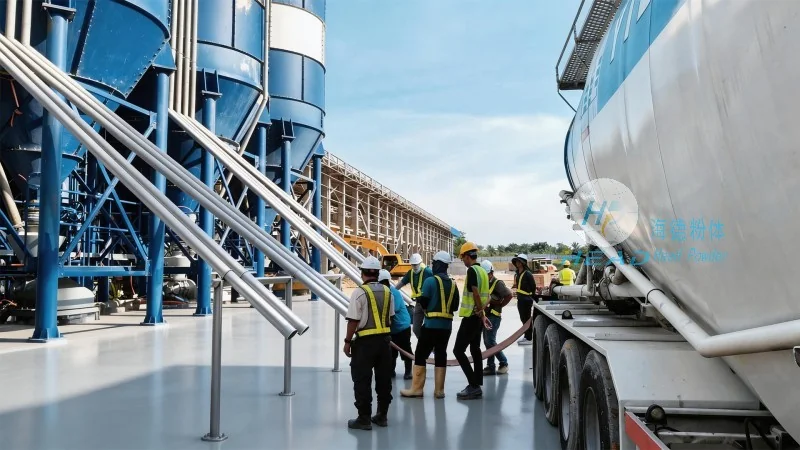
Dry yeast pneumatic conveying systems are widely used in the yeast industry for various applications. For example, in large-scale yeast production facilities, these systems are used to transport dry yeast from storage silos to processing lines, ensuring a continuous and efficient supply of raw material. They are also employed in the packaging process, where dry yeast is conveyed from the production area to the packaging machines. The ability to maintain a consistent flow and prevent product degradation makes pneumatic conveying ideal for maintaining the quality and freshness of the yeast.
Conclusion and Contact Information
HeadPowder, with its headquarters in Shandong, China, continues to be at the forefront of developing advanced pneumatic conveying solutions for the dry yeast industry. By leveraging the principles of pneumatic conveying, the company helps businesses improve their operational efficiency, reduce costs, and enhance product quality. For more information about their products and services, interested parties can contact HeadPowder directly.