

High-Temperature Fly Ash Pneumatic Conveying Equipment: Structure and Principle of Powder Conveying
High-temperature fly ash pneumatic conveying equipment is a specialized system designed to handle and transport high-temperature fly ash from power plants or other industrial facilities. This equipment plays a crucial role in the efficient management of industrial waste and the safe transfer of materials under challenging conditions. The following sections will provide an in-depth look at the structure and operational principles of such equipment, along with details about the manufacturer, Shandong HeadPowder Engineering Co., Ltd., based in China.
Company Introduction: Shandong HeadPowder Engineering Co., Ltd.
Shandong HeadPowder Engineering Co., Ltd. is a leading manufacturer specializing in the design, development, and production of advanced powder handling and conveying systems. With a strong commitment to quality and innovation, the company has established itself as a trusted partner in the industrial sector, particularly in the field of high-temperature material handling. HeadPowder's expertise lies in creating customized solutions that meet the unique requirements of clients, ensuring reliable and efficient operation in demanding environments. The company is headquartered in Shandong, China, where it leverages local resources and expertise to deliver cutting-edge equipment for global markets.
Understanding High-Temperature Fly Ash Pneumatic Conveying
High-temperature fly ash, a byproduct of coal combustion, poses unique challenges during transportation due to its temperature, particle size, and potential for reactivity. Traditional conveying methods may not be suitable for such materials, as they can lead to equipment damage, material degradation, or safety hazards. Pneumatic conveying offers a solution by using air or other gases to transport the material through a pipeline system. This method is particularly effective for high-temperature fly ash, as it minimizes direct contact with the material and reduces the risk of thermal stress on the equipment.
Core Components and Structure of the Equipment
The high-temperature fly ash pneumatic conveying system typically consists of several key components, each playing a vital role in the overall operation. The main parts include the material feeding system, the conveying pipeline, the air supply system, the separation and cleaning units, and the control and monitoring system. Each component is engineered to withstand high temperatures and handle the abrasive nature of fly ash particles.
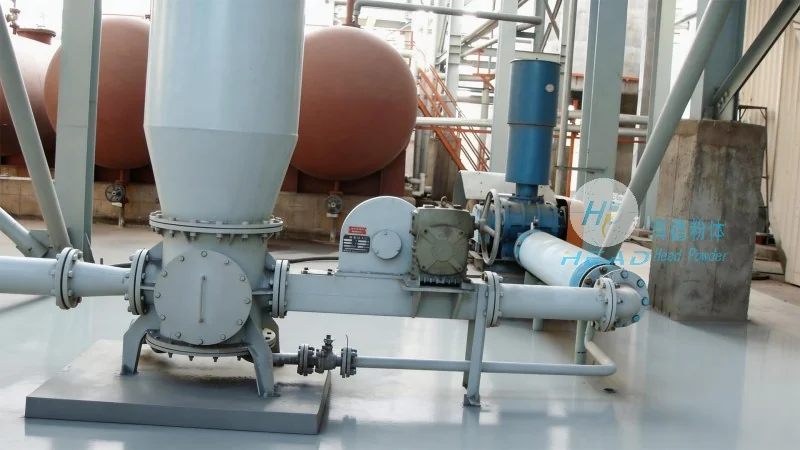
1. **Material Feeding System**: This component is responsible for introducing the high-temperature fly ash into the conveying line. It may include a hopper or a rotary valve that ensures a consistent and controlled flow of material. The design of the feeding system is critical to prevent blockages and maintain the integrity of the material during the transfer process.
2. **Conveying Pipeline**: The pipeline is the primary pathway for transporting the fly ash. It is usually made of high-temperature-resistant materials such as stainless steel or special alloys to withstand the heat and corrosive properties of the ash. The pipeline may be equipped with bends, elbows, and other fittings that are designed to minimize pressure losses and ensure smooth material flow.
3. **Air Supply System**: This system generates the necessary air or gas to create the conveying medium. It typically includes a blower or a compressor that provides the required pressure and flow rate. The air supply is carefully regulated to maintain optimal conditions for the material to be carried through the pipeline.
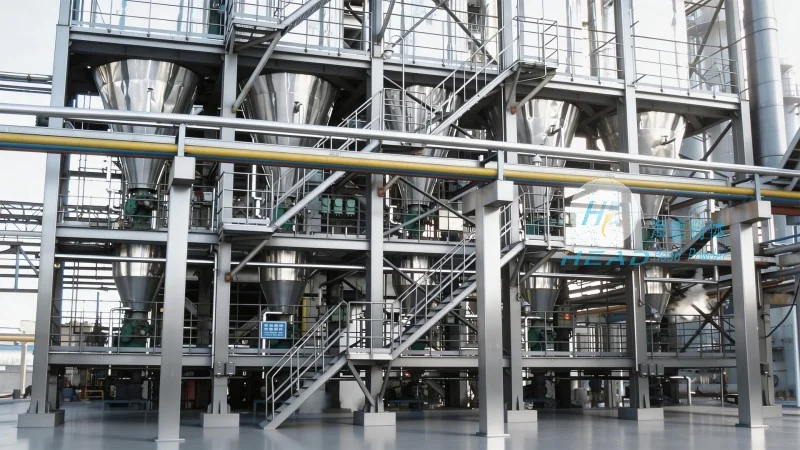
4. **Separation and Cleaning Units**: As the fly ash travels through the pipeline, it may need to be separated from the conveying air or cleaned to remove any residual particles. This is achieved through cyclone separators, filters, or other cleaning mechanisms. These units help maintain the purity of the conveyed material and protect downstream equipment from contamination.
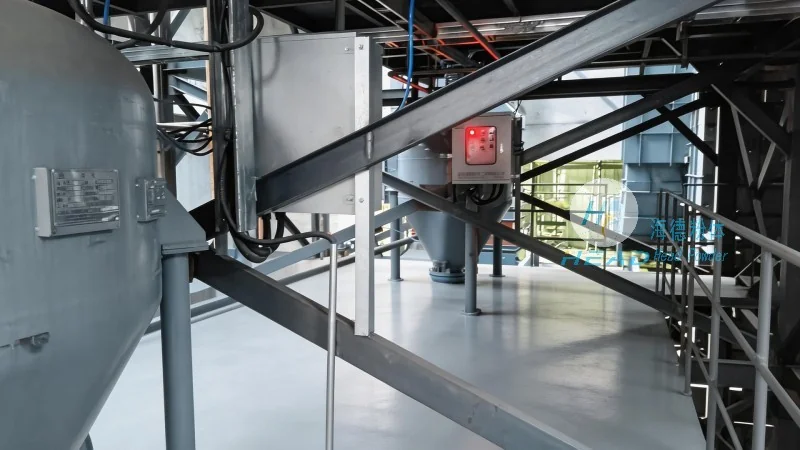
5. **Control and Monitoring System**: The control system manages the operation of all components, ensuring that the conveying process runs smoothly and efficiently. It may include sensors, controllers, and alarms that monitor parameters such as pressure, temperature, and flow rate. This system allows for real-time adjustments and helps prevent operational issues before they become major problems.
Operational Principle of Pneumatic Conveying
The fundamental principle of pneumatic conveying is the use of air or gas to create a flow that transports the material through the pipeline. There are two main types of pneumatic conveying systems: dilute-phase and dense-phase. For high-temperature fly ash, the dilute-phase system is commonly used, where the material is suspended in the air stream and carried through the pipeline.
In the dilute-phase system, the air velocity is high enough to keep the fly ash particles suspended and prevent them from settling. The pressure drop along the pipeline is a key factor in determining the conveying capacity and efficiency. The system operates by creating a pressure difference between the inlet and outlet of the pipeline, which drives the material forward.
The process begins with the material being fed into the pipeline from the feeding system. The air supply then introduces the conveying medium, which mixes with the material and lifts it into the pipeline. As the mixture travels through the pipeline, it passes through the separation units, where the air and ash are separated. The clean air is then discharged, while the ash is collected and directed to the final destination.
Advantages of High-Temperature Fly Ash Pneumatic Conveying Equipment
Using high-temperature fly ash pneumatic conveying equipment offers several advantages over traditional methods. These include improved safety, as the material is contained within the pipeline and does not come into direct contact with workers. The system also reduces the risk of dust explosions and other hazards associated with handling high-temperature materials. Additionally, pneumatic conveying is more efficient and cost-effective, as it minimizes the need for manual handling and reduces the wear and tear on equipment.
Another key advantage is the ability to transport high-temperature fly ash over long distances without the need for intermediate storage or processing. This makes it suitable for applications where the ash needs to be transferred to a disposal site or used as a raw material in other industrial processes. The equipment's design also allows for easy integration with existing facilities, reducing the time and cost of installation.
Applications and Industries
High-temperature fly ash pneumatic conveying equipment is widely used in various industries, particularly in the power generation sector. It is commonly employed in coal-fired power plants to transport fly ash from the boiler to the storage or disposal facilities. The equipment is also used in other industrial applications where high-temperature materials need to be handled, such as in cement production, chemical processing, and metal smelting.
In the cement industry, for example, fly ash is often used as a supplementary cementitious material (SCM) in concrete production. The pneumatic conveying system allows for the efficient transport of fly ash from the power plant to the cement plant, where it can be incorporated into the production process. This not only improves the quality of the concrete but also reduces the environmental impact by utilizing a byproduct that would otherwise be disposed of as waste.
In chemical processing, high-temperature fly ash may be used as a raw material or as a component in the production of other chemicals. The pneumatic conveying equipment ensures that the material is transported safely and efficiently to the processing units, maintaining the quality and consistency of the final product.
Conclusion
High-temperature fly ash pneumatic conveying equipment is a critical component in the management of industrial waste and the efficient handling of high-temperature materials. The system's design, based on pneumatic conveying principles, offers numerous advantages over traditional methods, including improved safety, efficiency, and cost-effectiveness. With the expertise of manufacturers like Shandong HeadPowder Engineering Co., Ltd., these systems can be customized to meet the specific needs of various industries, ensuring reliable and sustainable operation. As the demand for efficient material handling solutions continues to grow, high-temperature fly ash pneumatic conveying equipment will remain a vital technology in the industrial sector.