

Cement Additive Pneumatic Conveying Equipment: Structure and Working Principle of Powder Handling Sy
Cement additive pneumatic conveying equipment is a specialized system designed to transport bulk powders, such as cement additives, from one location to another within industrial settings. These systems are critical in the cement production process, ensuring efficient and reliable movement of raw materials that impact the quality and consistency of the final product. Understanding the structure and working principle of these systems is essential for optimizing operations and maintaining high standards in cement manufacturing.
Key Components of Pneumatic Conveying Systems for Cement Additives
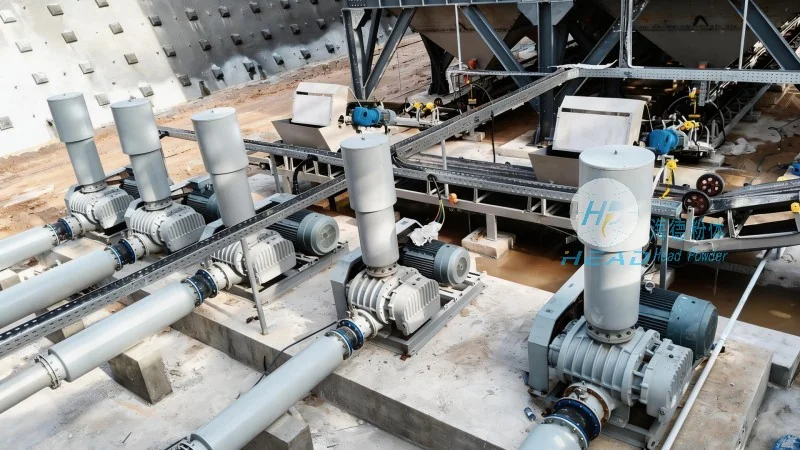
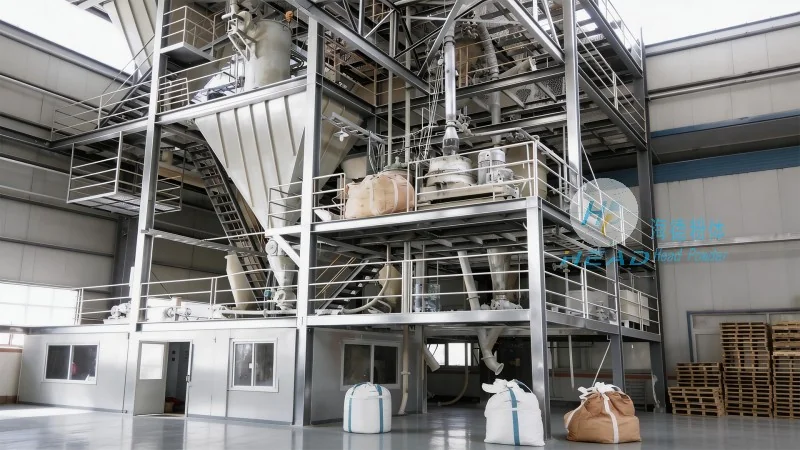
The core structure of a pneumatic conveying system for cement additives typically includes several key components that work in tandem to achieve effective powder transport. The primary elements are the material hopper or silo, which serves as the storage and feeding unit; the air supply system, which generates the necessary pressure or vacuum to move the material; the conveying line, which consists of pipes that guide the powder and air mixture; and the separation or collection equipment, which ensures the material is deposited accurately at the destination.
Each component is engineered to meet the specific demands of cement additive transport. The material hopper is usually constructed from stainless steel or carbon steel, with a smooth interior to prevent material buildup and ensure consistent discharge. It is equipped with a feeder or valve that controls the flow rate, preventing overloading of the system and maintaining steady material supply. The air supply system may include a centrifugal blower or a vacuum pump, depending on the system type. The blower provides positive pressure, while the vacuum pump creates negative pressure.
The conveying line is made of durable materials such as carbon steel or stainless steel, with smooth internal surfaces to minimize friction and reduce the risk of material clogging. The diameter of the pipes is carefully selected based on the material flow rate and particle size, ensuring efficient transport without excessive energy consumption. At the receiving end, the system includes a separator, commonly a cyclone or a bag filter, which separates the powder from the air. The separator is designed to capture the fine powder particles while allowing the air to pass through, preventing dust emissions and maintaining a clean working environment.
Working Principle of Pneumatic Conveying for Cement Additives
The working principle of a pneumatic conveying system involves the use of air to suspend and transport the powder particles. In a positive pressure system, the blower injects high-pressure air into the material hopper, where it mixes with the powder. The air-powder mixture is then forced through the conveying line at a high velocity, keeping the particles in suspension and preventing them from settling. As the mixture reaches the destination, it enters the separator, where centrifugal force or filtration separates the powder from the air. The separated powder is collected in a storage bin or processing unit, while the air is either recirculated back into the system or vented to the atmosphere.
In a negative pressure system, the vacuum pump creates a low-pressure environment at the receiving end, drawing the air-powder mixture from the source. The material is then pulled through the conveying line and into the separator, where the powder is collected and the air is released. Both systems rely on the principle of particle suspension, where the air velocity is sufficient to overcome the gravitational force acting on the powder particles. This ensures that the powder remains in motion throughout the transport process, minimizing the risk of clogging and ensuring smooth operation.
Advantages of Pneumatic Conveying Equipment in Cement Production
Pneumatic conveying equipment offers several advantages when used for transporting cement additives. One of the most significant benefits is the ability to handle fine powders without the need for mechanical components like belts or screws, which can cause wear and tear or contamination. The system is also highly flexible, allowing for changes in the layout or direction of the conveying line without major modifications. Additionally, pneumatic conveying can be integrated with other processing equipment, such as mixers or grinders, to create a seamless production line.
Another key advantage is the reduced risk of material contamination. Since the system operates in a closed loop, there is minimal exposure to external elements, and the risk of cross-contamination between different additives is minimized. This is particularly important in cement production, where the quality of additives directly impacts the final product's performance. Furthermore, pneumatic conveying systems are energy-efficient compared to traditional methods like belt conveyors, as they use less power to transport the same amount of material over longer distances.
Moreover, pneumatic conveying equipment is suitable for transporting materials in both horizontal and vertical directions, providing flexibility in plant layout. The system can handle a wide range of particle sizes and flow rates, making it adaptable to various cement additive applications. Its ability to maintain a consistent flow rate and pressure also helps in controlling the quality of the final product, as it ensures that the additives are delivered in a uniform manner.