

Comparison of Common Iron Powder Conveying Methods
Iron powder is a critical material in various industrial applications, and efficient conveying methods are essential for its handling and transportation. This article provides a detailed comparison of common iron powder conveying methods, highlighting the advantages and considerations for each approach. The information is presented by Shandong HeadPowder Engineering Co., Ltd., a leading manufacturer specializing in iron powder processing solutions based in China.
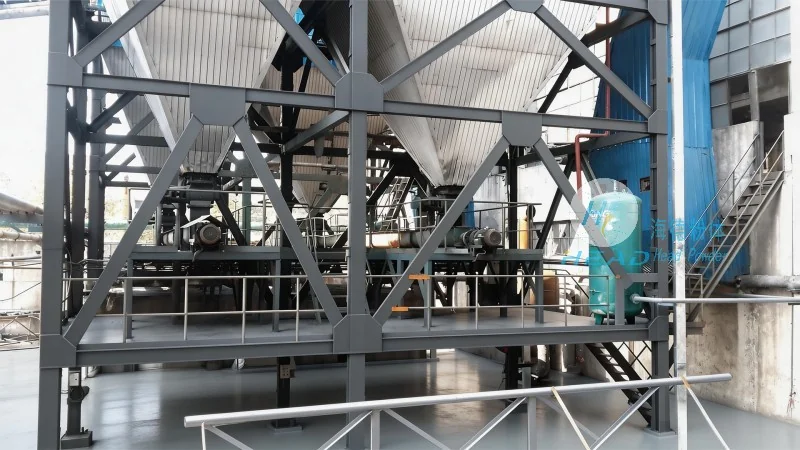
Overview of Iron Powder Conveying Methods
Iron powder conveying involves the movement of fine iron particles from one location to another within industrial processes. The choice of conveying method depends on factors such as material properties, production scale, environmental requirements, and operational efficiency. Common methods include pneumatic conveying, mechanical conveying, and gravity-based systems. Each method has unique characteristics that make it suitable for different applications.
Pneumatic Conveying Systems
Pneumatic conveying uses compressed air or other gases to transport iron powder through a pipeline. This method is widely used due to its ability to handle fine powders and minimize dust exposure. There are two main types: pressure and vacuum systems. Pressure systems push material through the line using positive pressure, while vacuum systems pull material using negative pressure. Pneumatic conveying is particularly effective for long-distance transport and can be integrated with other processing equipment. However, it requires careful control of air flow and pressure to prevent material degradation or blockages. The system typically includes components like hoppers, feeders, pipelines, and dust collectors. For iron powder applications, the selection of appropriate air velocity and pipeline diameter is crucial to ensure smooth operation and prevent particle degradation.
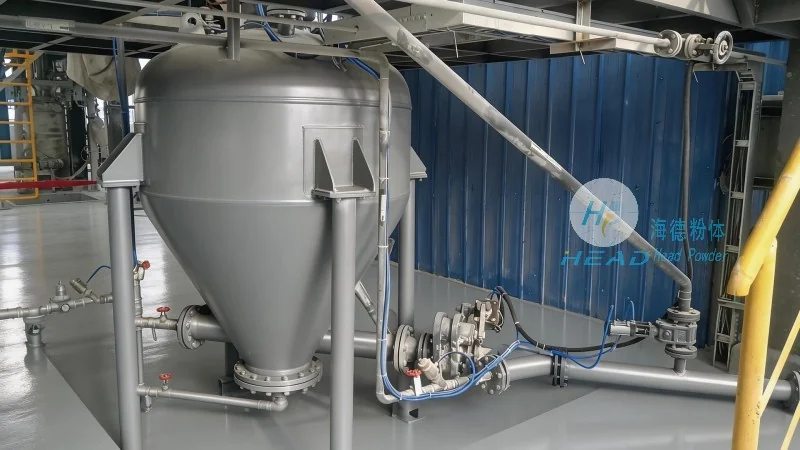
Mechanical Conveying Equipment
Mechanical conveying relies on mechanical devices to move iron powder. Common equipment includes screw conveyors, belt conveyors, and bucket elevators. Screw conveyors use a rotating screw to push material along a trough, making them suitable for horizontal or slight incline transport. They are ideal for handling dry powders and can be easily integrated into existing production lines. Belt conveyors use a continuous belt to transport material, often used for bulk material handling in large-scale operations. Bucket elevators lift material vertically using buckets attached to a chain or belt, which is essential for vertical transport in iron powder processing. Mechanical conveyors are generally more cost-effective and require less maintenance compared to pneumatic systems. However, they may generate more dust and are less suitable for fine powders that are prone to caking or segregation.
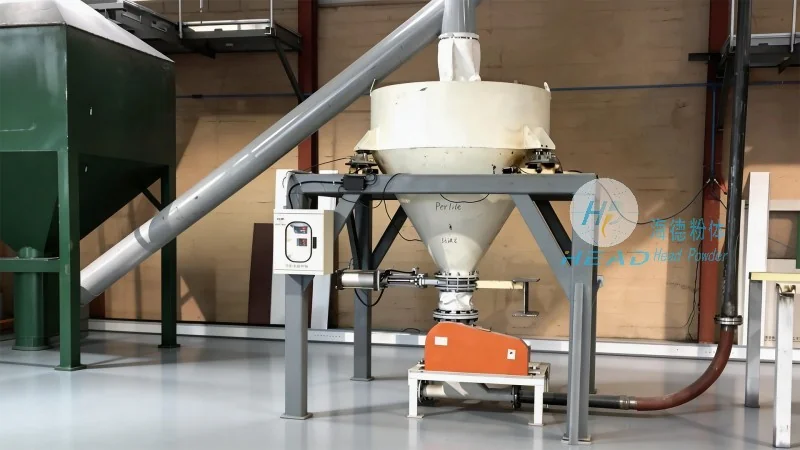
Gravity Conveying and Chute Systems
Gravity conveying utilizes the natural force of gravity to move iron powder from a higher to a lower level. This method is simple and low-cost, often used in short-distance transport within a facility. Chute systems are common in gravity conveying, where material flows through a sloped pipe or channel. The design of the chute is critical to prevent material buildup and ensure smooth flow. For iron powder, the angle of inclination and surface material of the chute must be carefully considered to avoid particle segregation or blockages. Gravity conveying is most effective for materials with good flow characteristics and is commonly used in conjunction with other conveying methods as part of a larger system.
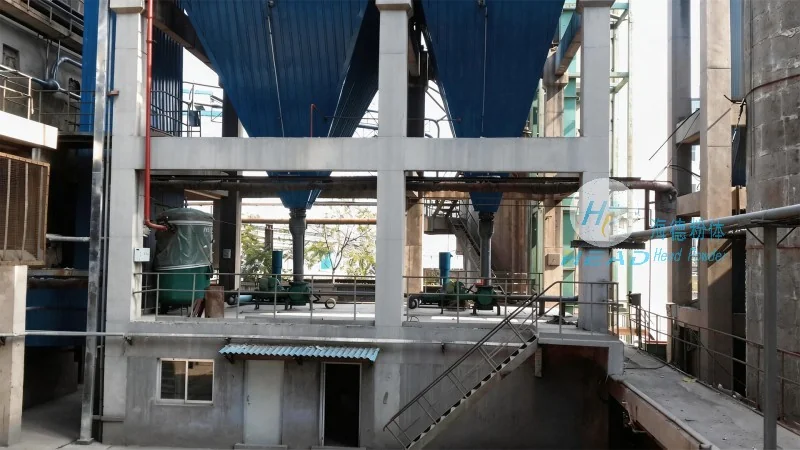
Selection Criteria for Iron Powder Conveying Methods
The choice of iron powder conveying method should be based on a thorough evaluation of operational requirements and material properties. Key factors include the particle size and density of the iron powder, the required conveying distance, the desired speed of transport, and the environmental constraints of the facility. Pneumatic conveying is preferred for fine, dusty iron powders over long distances, while mechanical conveyors are suitable for bulk, less dusty materials over shorter distances. Gravity systems are ideal for simple, low-cost applications where the material can flow freely under gravity. Additionally, the integration with other processing equipment, such as mixing or drying units, should be considered when selecting a conveying method. Shandong HeadPowder Engineering Co., Ltd. offers customized conveying solutions tailored to specific customer needs, ensuring optimal performance and efficiency in iron powder handling.
Conclusion
In summary, the selection of an iron powder conveying method depends on a combination of technical, economic, and operational factors. Pneumatic systems provide flexibility and efficiency for fine powders, while mechanical and gravity systems offer cost-effective alternatives for bulk materials. By understanding the characteristics of each method and aligning them with specific application requirements, manufacturers can achieve reliable and efficient iron powder transport. Shandong HeadPowder Engineering Co., Ltd. specializes in providing comprehensive iron powder processing solutions, including tailored conveying systems, to meet the diverse needs of industrial clients in China.