

Principle of Bead Sand Pneumatic Conveying Equipment
Bead sand, also known as glass beads or silica sand, is a critical raw material in numerous industrial applications, including glass manufacturing, foundry processes, and surface treatment. The efficient and reliable transportation of bead sand is essential for maintaining production efficiency and ensuring product quality. Pneumatic conveying systems have become a preferred solution for handling bead sand due to their ability to transport materials in a dust-free environment, reduce operational costs, and enhance workplace safety.
The Core Principle of Pneumatic Conveying
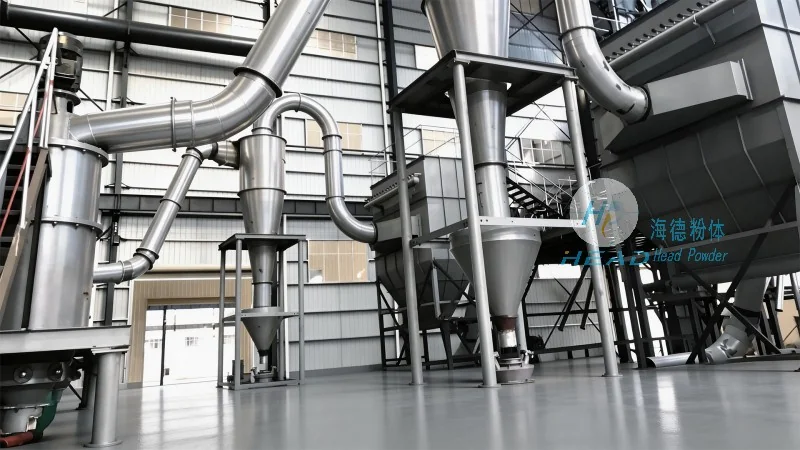
Pneumatic conveying, or air conveying, is a method of transporting bulk materials through a pipeline using a stream of compressed air. In the context of bead sand, the system typically operates under negative pressure (suction) or positive pressure (blowing). The negative pressure system draws the bead sand from a hopper or storage bin into the pipeline, while the positive pressure system pushes the material forward. The key components of a bead sand pneumatic conveying system include a hopper, a rotary valve, a filter, a blower or vacuum pump, and a pipeline network. The hopper stores the bead sand, and the rotary valve controls the flow rate. The filter removes any fine particles or contaminants from the air, ensuring clean air is used for conveying. The blower or vacuum pump provides the necessary air pressure to move the bead sand through the pipeline. The pipeline network connects the components and transports the material to the destination, such as a processing machine or storage tank.
Key Components and Their Functions
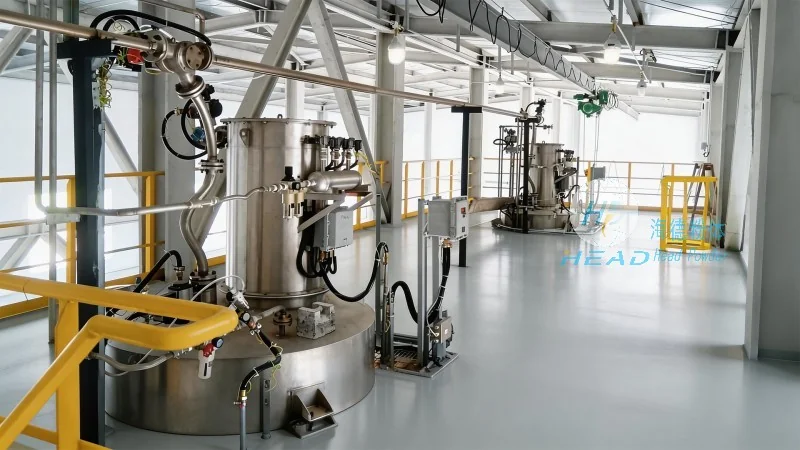
Each component in a bead sand pneumatic conveying system plays a vital role in ensuring smooth and efficient operation. The hopper is designed to hold a large quantity of bead sand and provide a consistent feed to the system. The rotary valve, often a star valve or rotary airlock, regulates the flow of bead sand from the hopper into the pipeline, preventing backflow and maintaining a steady flow rate. The filter is critical for maintaining air quality and preventing clogging of the blower or vacuum pump. It typically consists of a bag filter or cartridge filter that captures fine particles. The blower or vacuum pump generates the airflow required to convey the bead sand. The choice between a positive pressure system and a negative pressure system depends on the application and the distance the material needs to be transported. Positive pressure systems are generally more suitable for longer distances and higher material loads, while negative pressure systems are better for shorter distances and lower material loads.
Advantages of Pneumatic Conveying for Bead Sand
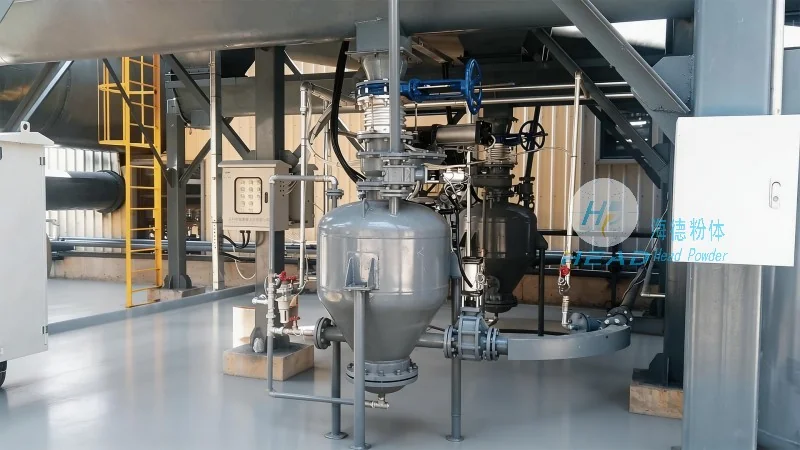
Compared to traditional mechanical conveying methods, such as belt conveyors or bucket elevators, pneumatic conveying offers several advantages for bead sand handling. First, it provides a dust-free environment, which is crucial for maintaining product quality and reducing health hazards. Second, it eliminates the need for moving parts in the conveying line, reducing maintenance costs and increasing system reliability. Third, it allows for flexible pipeline layouts, enabling the system to be adapted to different production layouts and space constraints. Fourth, it can handle a wide range of bead sand sizes and types, from fine to coarse particles. Finally, it reduces material degradation and loss, as the material is not subjected to friction or impact during transportation.
Applications in Industrial Settings
Bead sand pneumatic conveying systems are widely used in various industrial sectors. In the glass industry, bead sand is used as a raw material for glass production, and the system ensures a continuous supply of high-quality sand to the melting furnaces. In the foundry industry, bead sand is used for sandblasting and surface treatment of metal parts, and the system delivers the sand to the blasting machines efficiently. In the surface treatment industry, bead sand is used for polishing and finishing of metal and plastic components, and the system provides a consistent flow of sand to the polishing equipment. Additionally, bead sand is used in the production of abrasive materials, and the pneumatic conveying system ensures a reliable supply of raw materials to the production line.
About Shandong HeadPowder Engineering Co., Ltd.
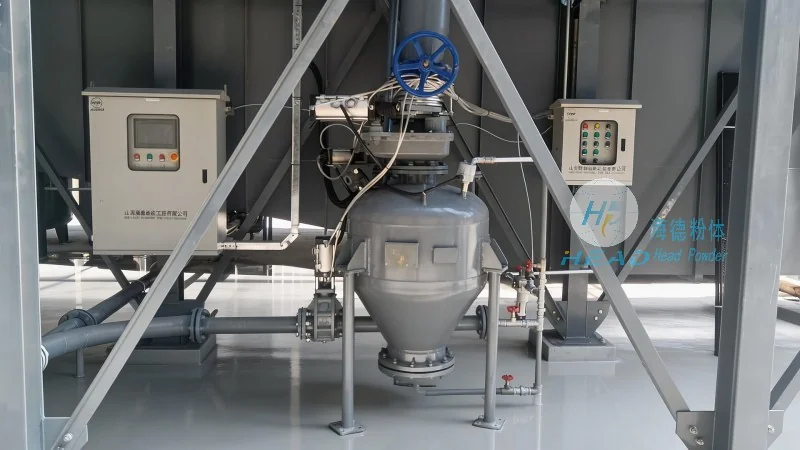
Shandong HeadPowder Engineering Co., Ltd., commonly known as headpowder, is a leading manufacturer and supplier of pneumatic conveying equipment for bead sand and other bulk materials. The company is headquartered in Shandong, China, and has a strong reputation for providing high-quality, reliable, and efficient conveying solutions. Headpowder specializes in designing and manufacturing custom pneumatic conveying systems tailored to the specific needs of its clients. The company's products are known for their durability, low maintenance requirements, and energy efficiency. Headpowder's team of engineers and technicians has extensive experience in the field of pneumatic conveying and is committed to providing excellent customer service and support. The company's goal is to help its clients improve their production efficiency, reduce costs, and enhance product quality through the use of advanced pneumatic conveying technology.