

Comparison of Common Soap Granule Conveying Methods
Soap granules are a critical component in various industrial applications, including detergent manufacturing, personal care product production, and chemical processing. Efficient and reliable transportation of these granules from storage to processing units is essential for maintaining production efficiency and product quality. This article provides a detailed comparison of common soap granule conveying methods, highlighting their advantages, limitations, and ideal applications.
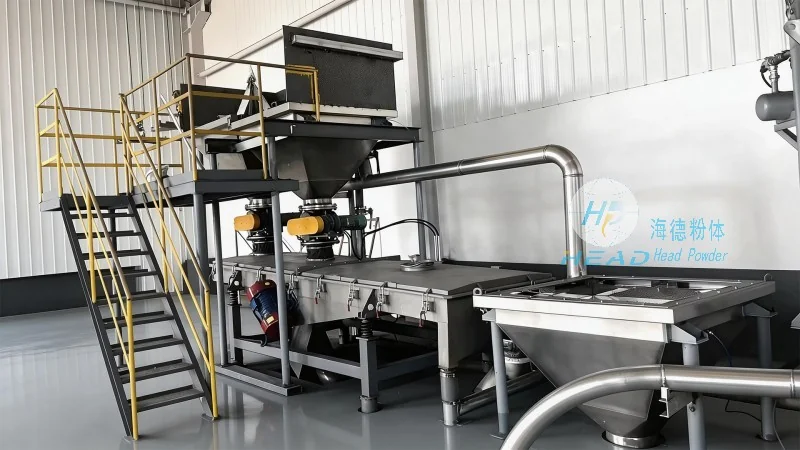
1. Screw Conveyors for Soap Granules
Screw conveyors, also known as auger conveyors, are among the most widely used equipment for transporting soap granules. These systems consist of a rotating helical screw inside a cylindrical housing, which moves material along the length of the conveyor. The primary advantage of screw conveyors is their ability to handle a wide range of granule sizes and densities without the need for additional components like buckets or belts. They are particularly effective for vertical or inclined transport, making them suitable for elevating soap granules from lower storage areas to processing lines. However, screw conveyors may experience issues with clogging, especially with sticky or cohesive soap granules, and can be less efficient for long horizontal distances due to friction losses.
2. Pneumatic Conveying Systems
Pneumatic conveying, or air-based transport, uses compressed air to move soap granules through a pipeline. This method is highly flexible and can transport materials over long distances, including vertical and horizontal routes, with minimal maintenance. Pneumatic systems are ideal for applications requiring dust-free or enclosed transport, as the material is contained within the pipeline. They are particularly advantageous for handling fine or abrasive soap granules that might damage mechanical components in other systems. However, pneumatic conveying can be more energy-intensive compared to mechanical systems, and the design must account for air pressure requirements and material flow rates to prevent blockages or excessive pressure drops.
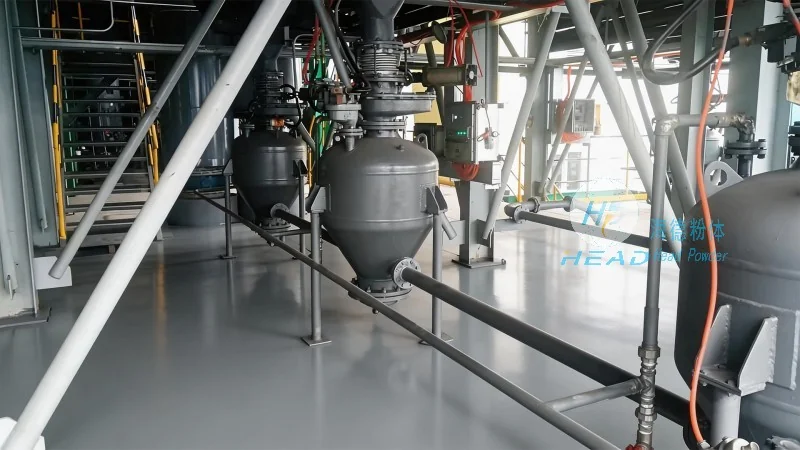
3. Belt Conveyors
Belt conveyors utilize a continuous belt to transport soap granules horizontally or at a slight incline. This method is well-suited for long-distance horizontal transport and can handle large volumes of material efficiently. Belt conveyors are relatively simple in design, making them cost-effective for many industrial applications. They are particularly effective for transporting granules that are prone to breakage or require gentle handling, as the belt provides a smooth surface that minimizes product damage. However, belt conveyors may not be suitable for vertical transport and can be less efficient for small or irregularly shaped soap granules, as they may slip or fall off the belt.
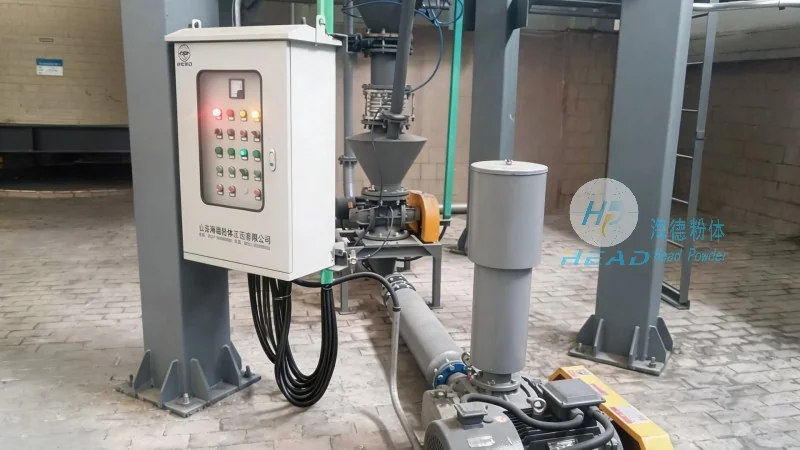
Choosing the Right Conveying Method for Soap Granules
The selection of an appropriate soap granule conveying method depends on several key factors, including the production scale, the distance between the storage and processing areas, the physical properties of the soap granules (such as size, density, and stickiness), and the required level of automation. For small-scale operations with short horizontal distances and non-sticky granules, a screw conveyor may be the most economical choice. For medium to large-scale facilities requiring long-distance transport or vertical movement, a combination of screw and pneumatic systems, or a dedicated belt conveyor, may be more suitable. The decision also considers the need for enclosed or dust-free transport, as pneumatic systems excel in this area, while belt conveyors offer simplicity and cost-effectiveness for open-air applications.
About HeadPowder Engineering
Shandong HeadPowder Engineering Co., Ltd. specializes in the design, manufacturing, and installation of custom conveying systems tailored to the unique needs of soap and detergent manufacturers. With decades of experience in the chemical and personal care industries, HeadPowder Engineering understands the specific challenges of handling soap granules, such as moisture sensitivity and product variability. The company’s engineers work closely with clients to assess their production requirements, material characteristics, and operational constraints to recommend the most efficient and reliable conveying solutions. Whether it’s a standard screw conveyor or a complex pneumatic system, HeadPowder Engineering ensures that the chosen equipment meets the highest standards of performance, durability, and safety, helping clients optimize their production processes and maintain consistent product quality.