

Principle of Polyethylene Resin Powder Pneumatic Conveying Equipment
HeadPowder, a leading manufacturer based in Shandong, China, specializes in the design and production of advanced pneumatic conveying systems for polyethylene resin powders. This article provides a detailed explanation of the operational principles behind these systems, highlighting their efficiency and reliability in material handling applications.
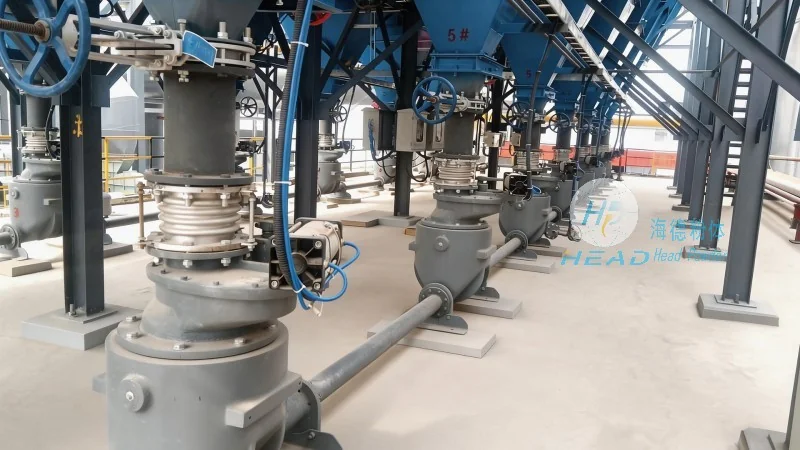
Introduction to Polyethylene Resin Powder Pneumatic Conveying
Polyethylene resin powders are widely used in various industries, including plastics manufacturing, chemical processing, and packaging. The efficient and safe transportation of these powders from storage to processing units is crucial for maintaining production continuity and product quality. Pneumatic conveying equipment offers a solution by utilizing air or gas to transport the material through a closed system, eliminating the need for mechanical components that may cause contamination or material degradation.
Core Principles of Pneumatic Conveying
The fundamental principle of pneumatic conveying is the use of differential pressure to move material through a pipeline. In a typical system, air is introduced into the conveying line at a specific pressure, creating a flow that propels the polyethylene resin powder particles. The velocity of the air and the size of the particles determine the conveying method—either dense phase or dilute phase. Dense phase conveying uses lower air velocities and higher material concentrations to minimize particle breakage and ensure smooth transport, while dilute phase conveying employs higher velocities and lower concentrations, suitable for longer distances or larger particle sizes.
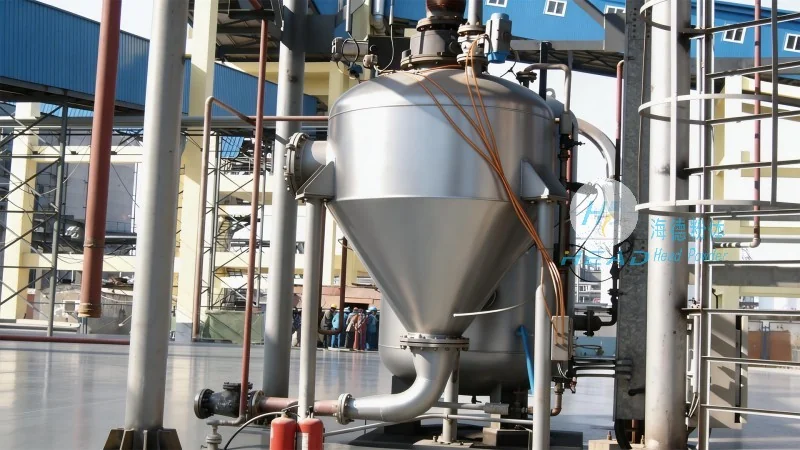
Key Components of the Conveying System
The polyethylene resin powder pneumatic conveying system consists of several critical components that work in tandem to ensure effective material transport. These include:
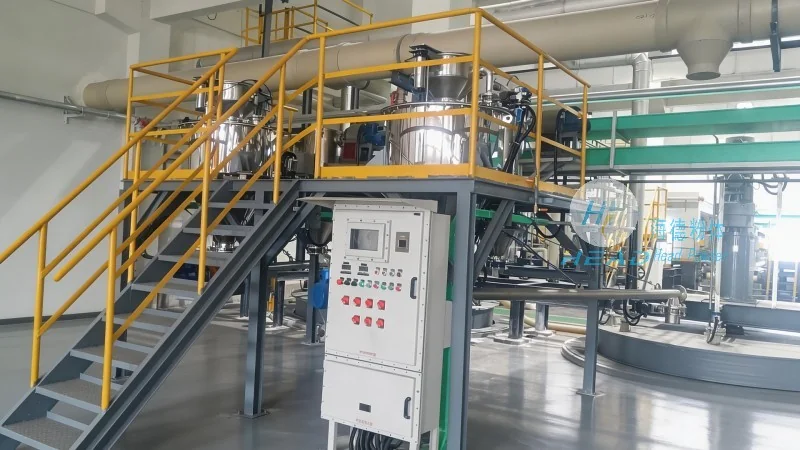
- Feeding System: This component is responsible for introducing the polyethylene resin powder into the conveying line. It may consist of a hopper, a rotary valve, or a vacuum feeder, depending on the system design and the material's properties. The feeding system ensures a consistent and controlled flow of material to prevent blockages or uneven distribution.
- Conveying Pipeline: The pipeline is typically made of stainless steel or other corrosion-resistant materials to handle the polyethylene resin powder and the air flow. The design of the pipeline, including bends, elbows, and straight sections, is optimized to minimize pressure loss and maintain the desired air velocity for efficient conveying.
- Separation and Collection System: At the receiving end of the pipeline, the polyethylene resin powder is separated from the air stream. This is often achieved using a cyclone separator or a bag filter, which captures the powder and returns it to the processing line while allowing the air to be discharged or recirculated.
- Control and Monitoring System: Modern pneumatic conveying systems are equipped with advanced control panels and sensors that monitor pressure, flow rate, and material level. These systems allow for real-time adjustments to optimize performance, detect faults, and ensure safe operation.
Advantages of Pneumatic Conveying for Polyethylene Resin Powders
Implementing a pneumatic conveying system for polyethylene resin powders offers several advantages over traditional mechanical conveying methods. These benefits include:
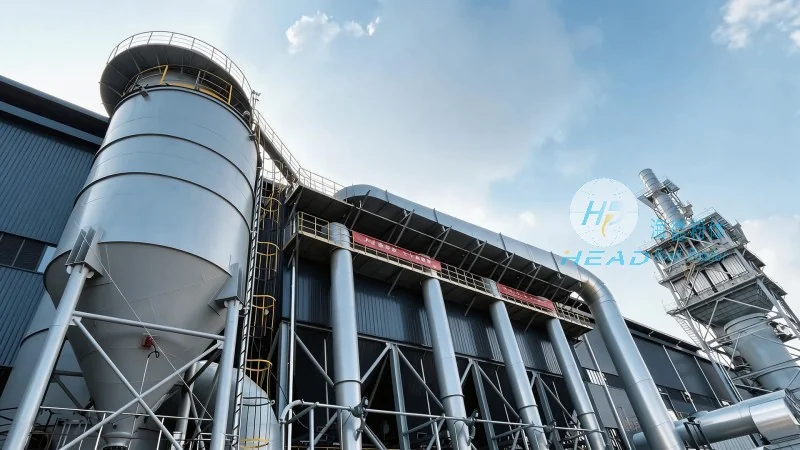
- Reduced Contamination: The closed system design prevents exposure to external contaminants, maintaining the purity of the polyethylene resin powder, which is critical for high-quality end products.
- Improved Safety: By eliminating the need for manual handling or open conveyors, the system reduces the risk of dust explosions and occupational hazards associated with powders.
- Enhanced Efficiency: Pneumatic conveying systems can transport materials over longer distances and at higher speeds compared to mechanical systems, improving overall production throughput.
- Lower Maintenance Costs: With fewer moving parts and less wear and tear compared to mechanical conveyors, the maintenance requirements and associated costs are significantly reduced.
Application Scenarios
Polyethylene resin powder pneumatic conveying equipment is widely used in various industrial applications, including:
- Plastic Manufacturing: Transporting polyethylene resin powders from storage silos to extrusion or molding machines.
- Chemical Processing: Handling polyethylene powders in chemical plants for further processing or blending.
- Packaging Industry: Conveying polyethylene resin powders to packaging lines for product filling or compounding.
About HeadPowder Engineering Co., Ltd.
HeadPowder Engineering Co., Ltd., headquartered in Shandong, China, is a professional manufacturer dedicated to providing high-quality pneumatic conveying solutions for polyethylene resin powders and other industrial materials. With years of experience and a commitment to innovation, the company designs and produces customized systems tailored to meet the specific needs of clients in various industries. HeadPowder's products are known for their reliability, efficiency, and adherence to industry standards, ensuring optimal performance and long-term value for customers.