

Common Rapeseed Conveying Methods: A Comparison
When it comes to handling rapeseed in agricultural and industrial settings, selecting the right conveying method is crucial for efficiency, cost-effectiveness, and product integrity. Various technologies are available, each with distinct advantages and applications. This article provides a detailed comparison of common rapeseed conveying methods, helping you make an informed decision for your operations. As a leading provider of bulk material handling solutions, Shandong HeadPowder Engineering Co., Ltd. specializes in designing and manufacturing systems tailored to the unique needs of rapeseed processing facilities.
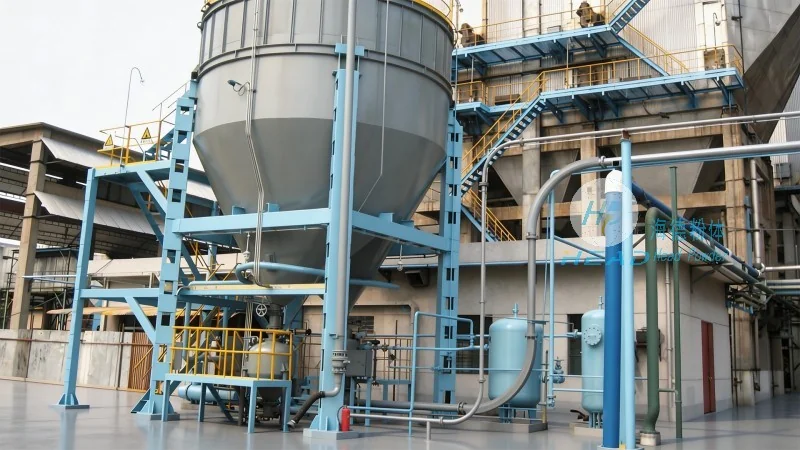
Overview of Rapeseed Conveying Systems
Rapeseed, also known as canola, is a key agricultural commodity used for oil production and animal feed. Efficient transport of this seed from harvest to processing facilities is essential to maintain quality and minimize losses. Conveying systems must handle the seed's characteristics—such as size, density, and moisture content—while ensuring minimal damage and contamination. The choice of system depends on factors like capacity, distance, budget, and the specific requirements of the processing line.
1. Screw Conveyors (Auger Conveyors)
Screw conveyors are one of the most widely used methods for transporting rapeseed. These systems consist of a rotating helical screw inside a U-shaped or cylindrical housing. As the screw rotates, it pushes the seed forward through the housing. Screw conveyors are particularly effective for horizontal or slight incline transport, making them ideal for moving seed from storage bins to processing equipment or for short-distance transfers within a facility.
Key advantages of screw conveyors include their simplicity, low maintenance, and ability to handle a wide range of materials. They are generally more cost-effective than other systems and can operate in enclosed environments, reducing dust and contamination. However, they have limitations in terms of capacity and distance. For long vertical lifts or steep inclines, the torque requirements increase, potentially leading to higher energy consumption and wear on components.
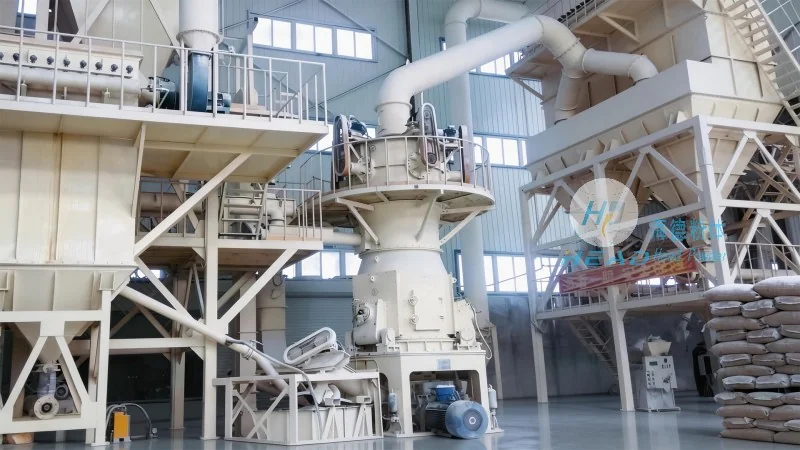
2. Bucket Elevators (Vertical Conveyors)
Bucket elevators are specifically designed for vertical or steep incline transport of bulk materials, including rapeseed. These systems use a continuous chain or belt with attached buckets that move vertically between a top and bottom head. As the buckets ascend, they scoop up the seed and discharge it at the top, while the empty buckets descend to repeat the process. Bucket elevators are highly efficient for moving seed from ground level to elevated storage or processing areas, making them a popular choice for large-scale operations.
One of the primary benefits of bucket elevators is their high capacity and ability to handle long vertical distances without significant loss of material. They are also relatively compact and can be integrated into existing facilities. However, they require more maintenance than screw conveyors, as the buckets and chains are subject to wear from continuous operation. Additionally, the system may generate more noise and vibration, which could affect the seed's quality if not properly controlled.
3. Pneumatic Conveying Systems
Pneumatic conveying systems use air to transport rapeseed through a network of pipes. These systems can be classified as pressure or vacuum types, depending on the method of material movement. In pressure systems, air is blown through the pipe, pushing the seed forward. In vacuum systems, a vacuum is created to draw the seed into the pipe. Pneumatic conveyors are versatile and can handle both horizontal and vertical transport, making them suitable for complex layouts and long distances.
A major advantage of pneumatic systems is their ability to transport seed in a closed environment, which helps maintain hygiene and prevent contamination. They are also flexible, as the pipe network can be easily reconfigured to adapt to changes in the processing line. However, these systems are generally more expensive to install and operate than mechanical conveyors. They also require careful control of air pressure and flow to prevent material blockages or damage to the seed.
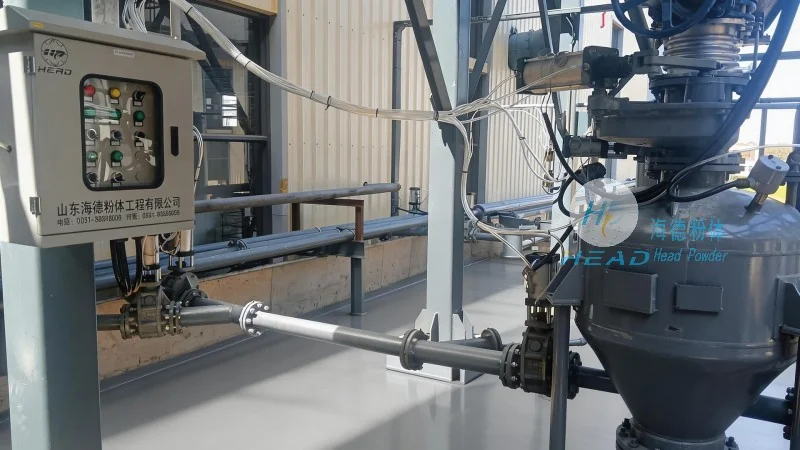
4. Belt Conveyors
Belt conveyors use a continuous belt to transport rapeseed horizontally or at a slight incline. The belt is supported by rollers and moves at a constant speed, carrying the seed from one point to another. These systems are commonly used in bulk handling operations, such as moving seed from a hopper to a storage silo or for loading trucks. Belt conveyors are known for their high capacity and ability to handle large volumes of material efficiently.
One of the key benefits of belt conveyors is their simplicity and reliability. They are easy to install and maintain, and can operate continuously without frequent stops. However, they are not suitable for vertical transport and have limitations in terms of material handling, as the belt may cause abrasion or damage to the seed if not properly designed. Additionally, they require regular cleaning to prevent buildup and maintain performance.
Choosing the Right Conveying Method for Your Rapeseed Operations
When selecting a rapeseed conveying method, it is essential to consider several factors to ensure optimal performance and cost-effectiveness. The first step is to assess the operational requirements, such as the required capacity, distance, and elevation changes. For short horizontal distances and moderate loads, a screw conveyor may be sufficient. For vertical lifts or long distances, a bucket elevator or pneumatic system may be more appropriate.