

What is a Pneumatic Ash Removal System? What are its Design Principles?
Understanding the Pneumatic Ash Removal System is crucial for maintaining efficient and safe operations in industrial settings, particularly in power plants and other facilities that generate large volumes of ash and dust. This system, also known as a pneumatic conveying system, is designed to transport solid materials like ash, coal, or other particulate waste through a pipeline using air or other gases as the conveying medium. The effectiveness of such systems depends heavily on their design, which integrates several key components and principles to ensure optimal performance, reliability, and environmental compliance.
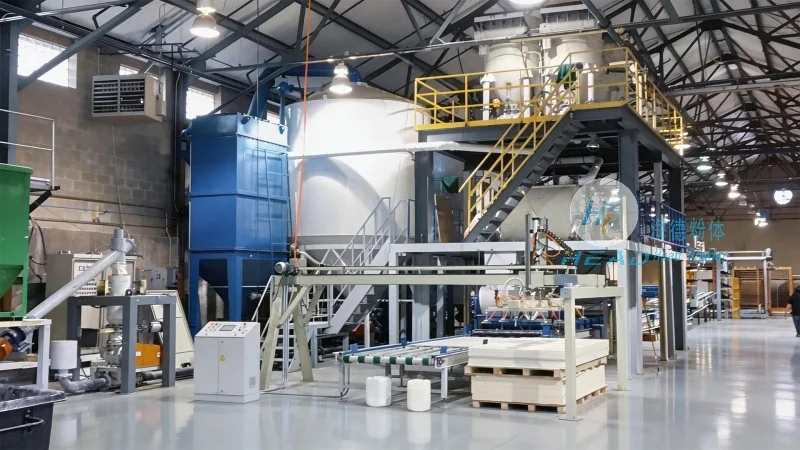
Key Components of a Pneumatic Ash Removal System
The core of a pneumatic ash removal system consists of several essential components that work in tandem to achieve efficient material transport. These components typically include a feeding mechanism, a conveying pipeline, a gas source (such as a blower or compressor), a separation system, and a control unit. The feeding mechanism, often a rotary valve or a screw feeder, introduces the ash or solid material into the pipeline at a controlled rate. The gas source then generates the necessary airflow to move the material through the pipeline. The conveying pipeline is usually made of materials like stainless steel or plastic, chosen for their durability and resistance to corrosion from the ash particles. The separation system, which may include cyclones or filters, separates the ash from the gas stream, allowing the clean air to be discharged while the ash is collected in a hopper or storage container. The control unit monitors and regulates the system's operation, ensuring that the airflow, material feed rate, and separation efficiency remain within optimal parameters.
Design Principles Behind Pneumatic Ash Removal Systems
The design of a pneumatic ash removal system is guided by several fundamental principles aimed at maximizing efficiency, minimizing energy consumption, and ensuring operational safety. One of the primary principles is the selection of the appropriate conveying velocity, which is the speed at which the gas flows through the pipeline. The velocity must be high enough to prevent the material from settling or clogging the pipeline but low enough to avoid excessive wear on the equipment and to minimize energy consumption. The design also considers the particle size and density of the ash, as these factors influence the required airflow and the type of separation equipment. For example, finer particles may require higher velocities or more efficient cyclones to ensure complete separation. Another critical principle is the system's pressure drop, which refers to the reduction in pressure as the gas flows through the pipeline and components. Minimizing pressure drop is essential to reduce energy costs and to ensure that the system can maintain the necessary airflow without excessive strain on the gas source. Additionally, the system's layout and the positioning of components, such as the feeding point, separation unit, and storage hopper, are carefully planned to optimize material flow and reduce the risk of blockages or backflow. The design also incorporates safety features, such as pressure relief valves and emergency shut-off mechanisms, to protect against over-pressurization and other potential hazards.
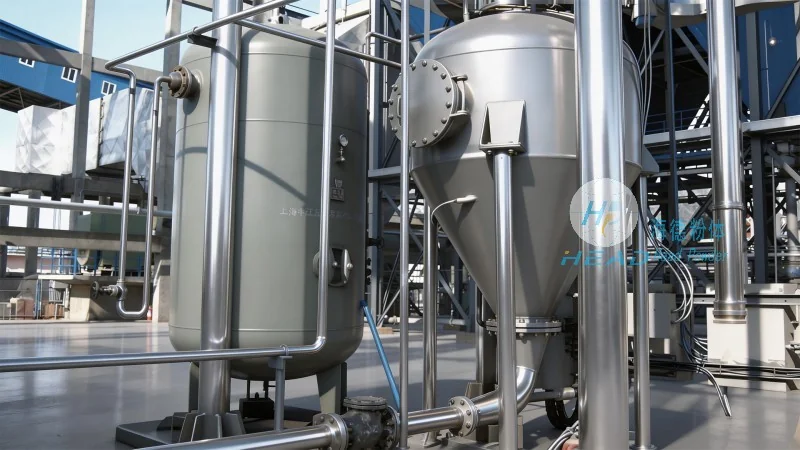
HeadPowder's Expertise in Pneumatic Ash Removal Systems
Shandong HeadPowder Engineering Co., Ltd., a leading manufacturer in the field, specializes in the design, development, and manufacturing of high-quality pneumatic ash removal systems. With a strong commitment to innovation and customer satisfaction, HeadPowder leverages advanced engineering principles and cutting-edge technology to create systems that meet the diverse needs of industrial clients. The company's team of experienced engineers and technicians works closely with clients to understand their specific requirements, such as the type and volume of ash to be handled, the operating conditions, and any environmental or regulatory constraints. Based in Shandong, China, HeadPowder utilizes state-of-the-art manufacturing facilities and rigorous quality control processes to ensure that each system meets the highest standards of performance, reliability, and durability. The company's products are designed to be energy-efficient, with optimized airflow and pressure drop management, reducing operational costs for clients. Additionally, HeadPowder's systems are equipped with advanced control and monitoring features, allowing for real-time performance tracking and remote diagnostics, which enhances operational efficiency and reduces downtime. The company's focus on customization ensures that each system is tailored to the unique needs of the client, whether it's for a new installation or an upgrade to an existing facility.
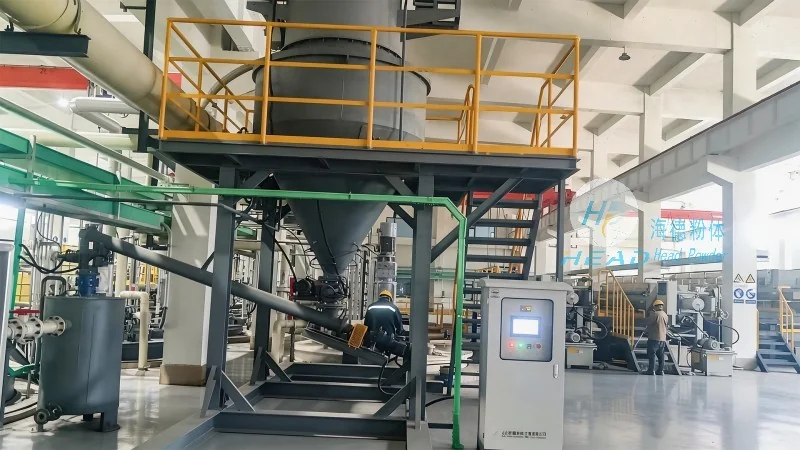
Applications and Benefits of Pneumatic Ash Removal Systems
Pneumatic ash removal systems are widely used in various industrial applications, particularly in power generation, cement production, and other facilities that generate large amounts of ash and particulate waste. The primary benefit of such systems is their ability to transport ash and other solid materials over long distances with minimal manual handling, improving safety and reducing labor costs. Additionally, these systems are highly efficient in terms of energy consumption, as they use compressed air or other gases to move the material, which is more energy-efficient than traditional methods like truck transport or conveyor belts. The systems also contribute to environmental compliance by ensuring that ash is collected and disposed of in a controlled manner, preventing dust emissions and minimizing the impact on the environment. Furthermore, the design of modern pneumatic ash removal systems allows for the integration of other processes, such as material drying or pre-processing, making them versatile solutions for various industrial needs. The reliability and durability of these systems, combined with their low maintenance requirements, make them a cost-effective choice for long-term operation.
Conclusion: The Importance of Proper Design and Implementation
In conclusion, a pneumatic ash removal system is a critical component in maintaining the efficiency and safety of industrial operations, particularly in facilities that generate large volumes of ash and dust. The design of such systems is based on several key principles, including the selection of appropriate conveying velocity, pressure drop management, and the positioning of components, all aimed at maximizing efficiency and minimizing energy consumption. The expertise of manufacturers like Shandong HeadPowder Engineering Co., Ltd. is essential in ensuring that these systems are designed and implemented correctly, meeting the specific needs of clients and contributing to their overall operational success. By understanding the components and principles behind pneumatic ash removal systems, industrial facilities can make informed decisions about their material handling solutions, leading to improved productivity, reduced costs, and enhanced environmental performance.