

What is Cement Clinker Pneumatic Conveying? And What Are Its Design Principles?
Cement clinker pneumatic conveying is a critical industrial process used for the efficient transport of cement clinker, a key raw material in cement production. This method involves using a gas stream, typically air or a mixture of air and other gases, to move bulk materials through a pipeline system. The technology is widely adopted in cement manufacturing plants due to its ability to handle high volumes of material while minimizing the risk of contamination and ensuring a smooth, continuous operation.
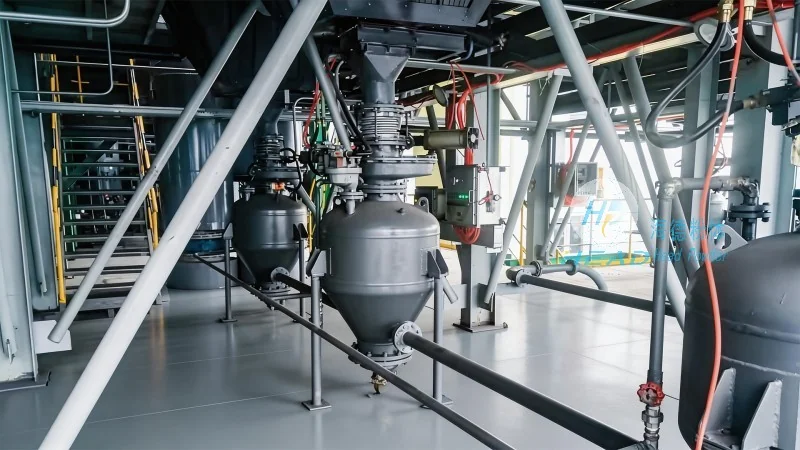
Core Components of Pneumatic Conveying Systems
A typical cement clinker pneumatic conveying system consists of several essential components that work in tandem to achieve effective material transport. These include the material feed hopper, which holds the clinker and controls the flow rate; the conveying line, which is the pipeline through which the material is transported; the air supply system, which generates the necessary pressure or vacuum to move the material; and the control system, which regulates the operation of the entire process. Each component plays a vital role in ensuring the system operates efficiently and reliably.
Design Principles for Cement Clinker Pneumatic Conveying
The design of a cement clinker pneumatic conveying system is based on several fundamental principles that ensure optimal performance. One of the primary principles is the selection of the appropriate conveying velocity, which must be sufficient to overcome the resistance of the material in the pipeline while minimizing energy consumption. The system design also considers the material's properties, such as particle size, density, and moisture content, as these factors directly impact the conveying efficiency. Additionally, the system must be designed to handle variations in material flow rates and to maintain a consistent pressure or vacuum level throughout the conveying process.
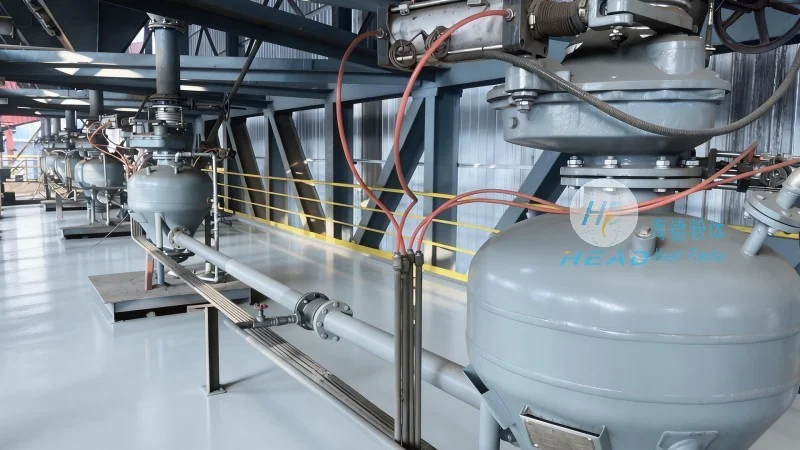
Advantages of Pneumatic Conveying in Cement Production
Implementing pneumatic conveying for cement clinker transport offers numerous advantages over traditional methods like belt conveyors or bucket elevators. One of the key benefits is the ability to achieve a completely enclosed system, which prevents dust emissions and protects the material from contamination. This not only enhances workplace safety but also meets environmental regulations. Another advantage is the flexibility of the system, which allows for easy integration with existing production lines and the ability to transport materials over long distances without the need for multiple transfer points. Furthermore, pneumatic conveying systems are generally more energy-efficient and can handle high material throughput, making them ideal for large-scale cement production facilities.
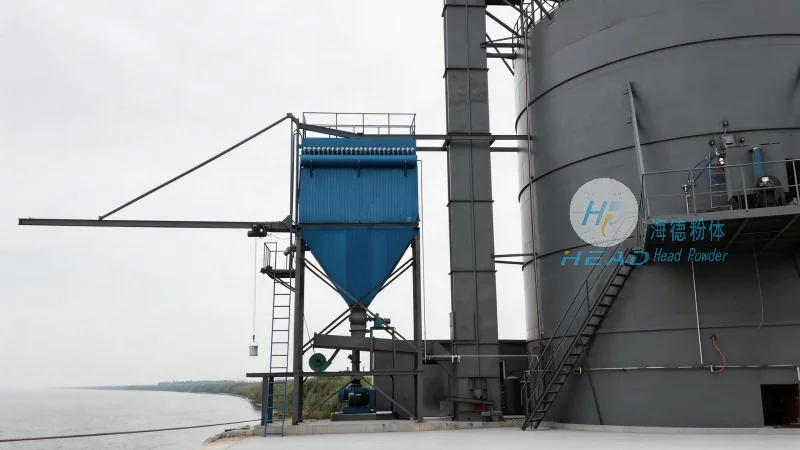
HeadPowder's Expertise in Cement Clinker Pneumatic Conveying
Shandong HeadPowder Engineering Co., Ltd. specializes in the design, manufacturing, and installation of advanced pneumatic conveying systems tailored to the specific needs of cement manufacturers. With years of experience in the industry, HeadPowder has developed a deep understanding of the technical and operational aspects of cement clinker transport. The company's team of engineers and technicians work closely with clients to assess their production requirements, material characteristics, and operational constraints to design customized solutions that maximize efficiency and minimize downtime. HeadPowder's systems are built with high-quality components and adhere to international standards, ensuring long-term reliability and performance.
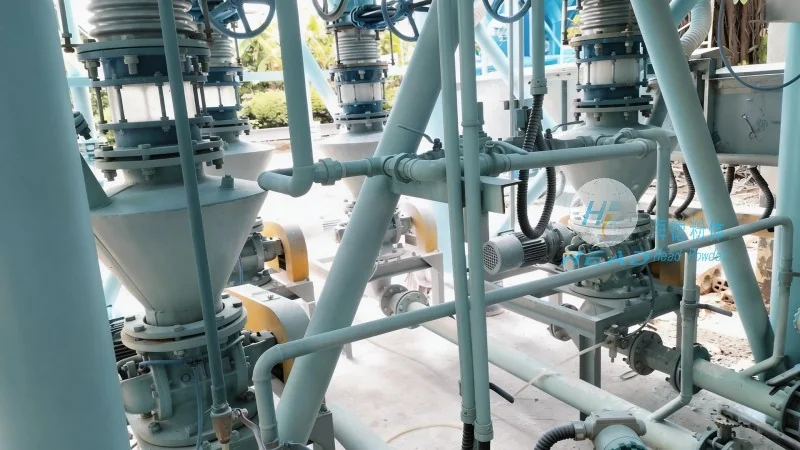
Key Considerations for System Design and Implementation
When designing and implementing a cement clinker pneumatic conveying system, several critical factors must be considered to ensure optimal performance and longevity. First, the system must be designed to handle the specific properties of the cement clinker, including its particle size distribution and moisture content. This involves selecting the appropriate conveying velocity and pipeline diameter to prevent material deposition or blockages. Second, the system must be equipped with effective cleaning mechanisms to prevent the buildup of material in the pipeline, which can lead to reduced efficiency and increased maintenance costs. Third, the control system must be robust and user-friendly, allowing operators to monitor and adjust the system parameters in real-time. Finally, the system must be designed with safety features to protect personnel and equipment from potential hazards, such as pressure surges or material spills.
Conclusion: The Future of Cement Clinker Transport
Cement clinker pneumatic conveying is a proven and efficient method for transporting bulk materials in cement production. With advancements in technology and the expertise of companies like Shandong HeadPowder Engineering Co., Ltd., the design and implementation of these systems have become more sophisticated and reliable. As the cement industry continues to evolve, the demand for efficient and sustainable material transport solutions will only increase. Pneumatic conveying systems offer a viable solution that not only improves operational efficiency but also enhances workplace safety and environmental compliance. For cement manufacturers seeking to optimize their material handling processes, pneumatic conveying remains a top choice, and with the right expertise and equipment, it can deliver long-term benefits and competitive advantages.