

Comparison of Common Manganese Carbonate Conveying Methods
When it comes to transporting manganese carbonate, selecting the right conveying method is crucial for ensuring efficiency, safety, and cost-effectiveness in industrial operations. Manganese carbonate, a key raw material in various industries including battery manufacturing and chemical production, requires specialized handling due to its physical properties such as particle size, moisture content, and flow characteristics. Understanding the different conveying methods available helps businesses optimize their material handling processes and maintain product integrity throughout the supply chain.
Overview of Common Manganese Carbonate Conveying Methods
There are several common methods used to transport manganese carbonate, each with its own advantages and limitations. The choice of method depends on factors like the scale of operation, the distance the material needs to be moved, the environment where the conveying takes place, and the specific requirements of the downstream processes. Below is a detailed comparison of the most widely used conveying techniques for manganese carbonate.
Pneumatic Conveying Systems
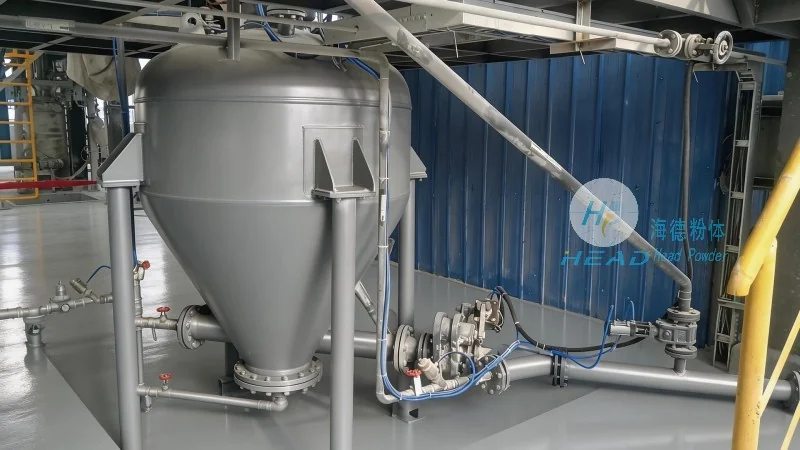
Pneumatic conveying is a popular method for transporting manganese carbonate, especially in applications where the material needs to be moved over short to medium distances or integrated into automated production lines. This system uses air pressure to move the material through a pipeline. There are two main types of pneumatic conveying: pressure and vacuum. Pressure systems use compressed air to push the material, while vacuum systems use a vacuum to pull it. For manganese carbonate, pressure systems are often preferred as they can handle larger particle sizes and provide more consistent flow rates. The key components of a pneumatic conveying system include a hopper, a feeder, a pipeline, and a receiver. The hopper stores the manganese carbonate, and the feeder controls the flow rate. The pipeline transports the material, and the receiver collects it at the destination. Pneumatic conveying offers advantages such as low maintenance, the ability to handle abrasive materials, and the flexibility to integrate with other equipment. However, it may require higher energy consumption and can be less efficient for long-distance transport due to pressure losses in the pipeline.
Screw Conveyors
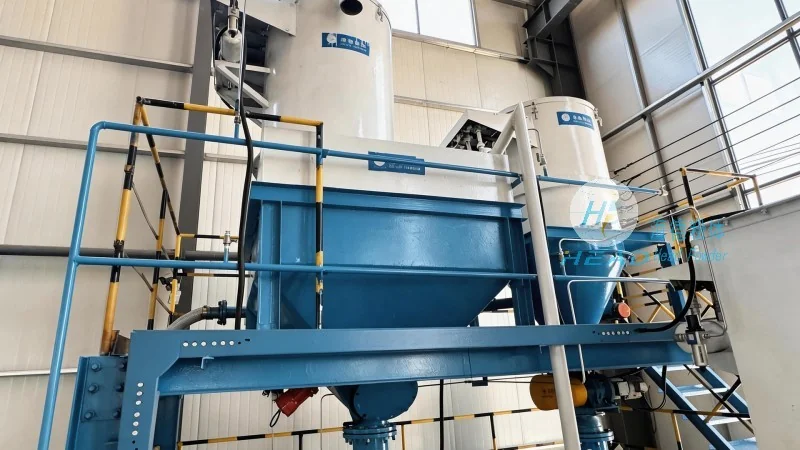
Screw conveyors, also known as auger conveyors, are another common method for transporting manganese carbonate. These systems use a rotating screw (auger) to move the material along a trough. Screw conveyors are particularly suitable for handling bulk materials like manganese carbonate, especially when the material needs to be moved vertically or at a slight angle. The screw is typically made of stainless steel or other corrosion-resistant materials to withstand the chemical properties of manganese carbonate. The speed of the screw and the pitch of the threads can be adjusted to control the flow rate and prevent material buildup. Screw conveyors are known for their simplicity, low cost, and ability to handle a wide range of particle sizes. They are also easy to install and maintain. However, they may not be suitable for very long distances or for materials that are too abrasive, as the screw and trough can wear out quickly. Additionally, screw conveyors can generate heat due to friction, which may affect the temperature-sensitive properties of some manganese carbonate products.
Belt Conveyors
Belt conveyors are widely used in the mining and processing industries for transporting manganese carbonate, particularly over longer distances or in open-pit operations. These systems consist of a continuous belt that moves over rollers or pulleys, carrying the material from the source to the destination. Belt conveyors are capable of handling large volumes of material and can be designed to operate at high speeds. The belt is typically made of rubber or other durable materials, and the rollers are coated to prevent material buildup and reduce friction. Belt conveyors are ideal for transporting manganese carbonate in bulk, as they can move large quantities with minimal labor. They are also suitable for transporting materials over long distances with minimal maintenance. However, belt conveyors require regular inspection and maintenance to ensure the belt remains in good condition. They may also be affected by environmental factors such as dust and moisture, which can impact their performance. Additionally, the initial cost of a belt conveyor system can be higher compared to other conveying methods.
Bucket Elevators
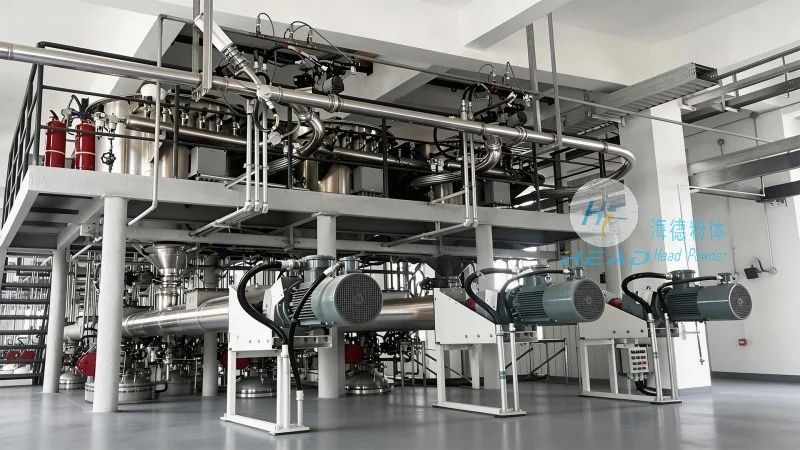
Bucket elevators are a specialized type of conveyor system used for vertically transporting manganese carbonate, especially in applications where the material needs to be lifted to a significant height. These systems consist of a vertical or inclined conveyor with buckets attached to a chain or belt. The buckets are filled with manganese carbonate at the bottom and then lifted to the top, where the material is discharged. Bucket elevators are highly efficient for vertical transport and can handle a wide range of particle sizes and moisture contents. They are commonly used in the chemical and mining industries for transporting manganese carbonate from storage silos to processing equipment. The key advantage of bucket elevators is their ability to transport material vertically without the need for additional equipment, such as pumps or air compressors. They are also relatively low maintenance and can operate continuously for long periods. However, bucket elevators have a limited capacity compared to other conveying methods and may not be suitable for very long vertical distances. Additionally, they require careful alignment and tensioning to ensure smooth operation and prevent material spillage.
Comparison and Selection Criteria
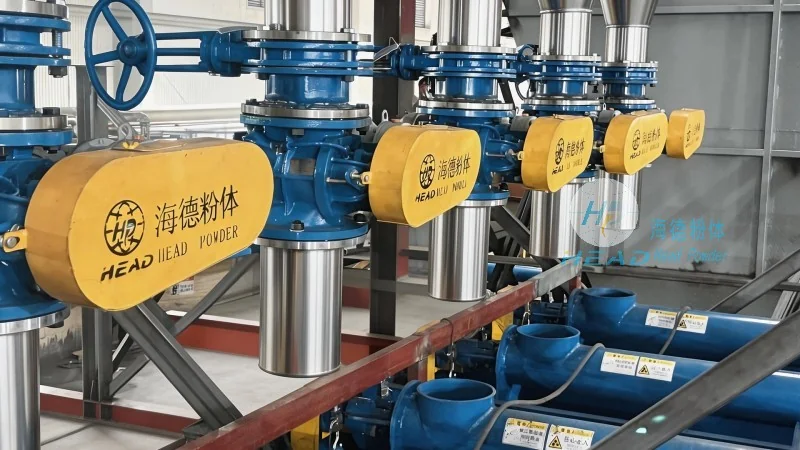
When selecting a conveying method for manganese carbonate, several factors need to be considered to ensure the best fit for the specific application. The first consideration is the distance the material needs to be transported. For short distances, pneumatic conveying or screw conveyors may be sufficient. For medium to long distances, belt conveyors or bucket elevators might be more appropriate. The second factor is the volume of material to be transported. High-volume applications may require belt conveyors or bucket elevators, while low-volume applications can use pneumatic conveying or screw conveyors. The third factor is the environment where the conveying takes place. Indoor applications may use enclosed systems like screw conveyors or belt conveyors, while outdoor applications may use open belt conveyors or bucket elevators. The fourth factor is the physical properties of the manganese carbonate, such as particle size, moisture content, and abrasiveness. Materials with large particle sizes or high abrasiveness may require specialized equipment like pressure pneumatic conveyors or reinforced screw conveyors. The fifth factor is the budget and maintenance requirements. Lower-cost options like screw conveyors may be suitable for small operations, while more expensive options like belt conveyors or bucket elevators may be necessary for large-scale operations. Ultimately, the choice of conveying method should balance efficiency, cost, and the specific requirements of the manganese carbonate handling process.
Conclusion
In conclusion, the selection of a conveying method for manganese carbonate is a critical decision that impacts the overall efficiency and profitability of industrial operations. Each method has its own advantages and limitations, and the right choice depends on various factors including distance, volume, environment, and material properties. Pneumatic conveying offers flexibility and low maintenance, screw conveyors provide simplicity and low cost, belt conveyors handle large volumes over long distances, and bucket elevators are ideal for vertical transport. By carefully evaluating these factors and considering the specific needs of the application, businesses can choose the most suitable conveying method for their manganese carbonate handling processes. This ensures optimal performance, product integrity, and cost-effectiveness in the supply chain.